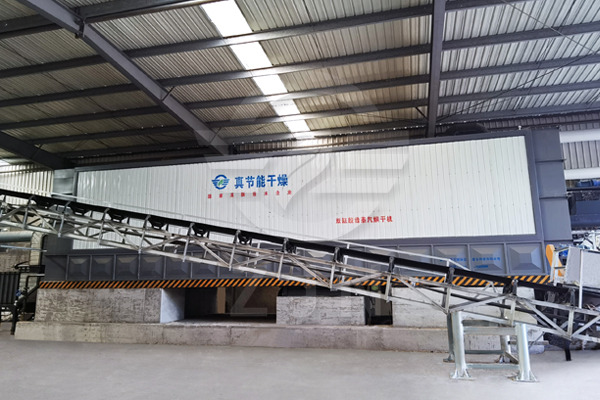
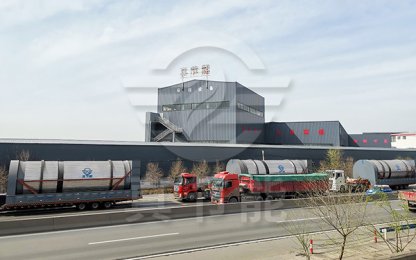
The electroplating industry is an essential part of the modern industrial system and is closely related to many aspects of daily‑life products such as screws and automobile components. With the expansion of the electroplating industry in recent years, the output of electroplating sludge has increased year by year. Therefore, it is vital to select high‑quality and high‑performance electroplating sludge drying equipment. For electroplating enterprises, choosing equipment with suitable types and specifications from a manufacturer with sound after‑sales support can achieve twice the result with half the effort in sludge disposal. After dewatering and drying, electroplating sludge features reduced volume, less odor and lower moisture content. Valuable metals can be further recovered from the dried sludge to improve corporate economic benefits. Below is a brief guide on how to choose an electroplating sludge dryer.
1. Select the Right Equipment Type
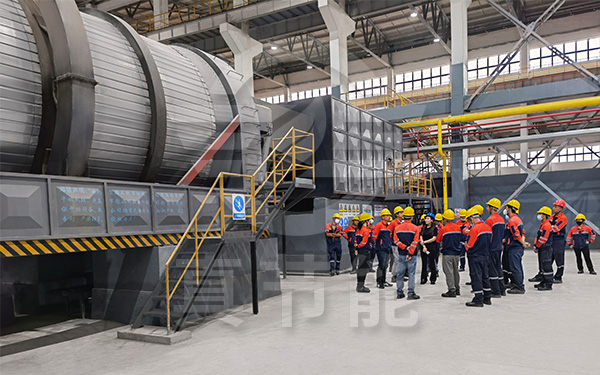
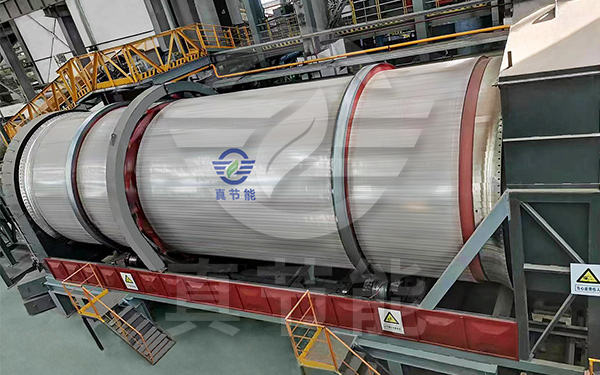
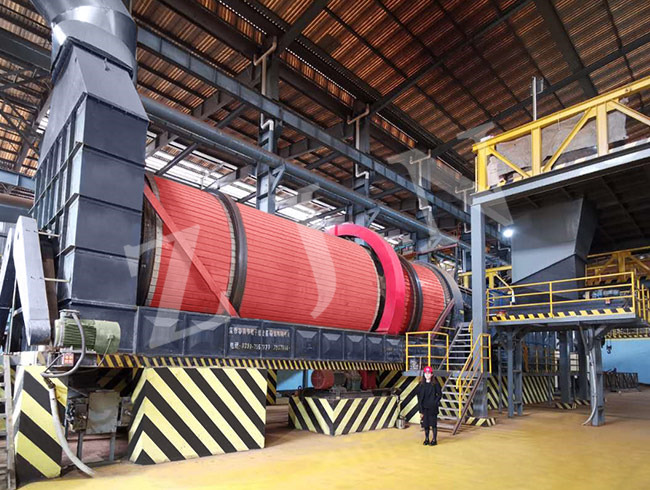
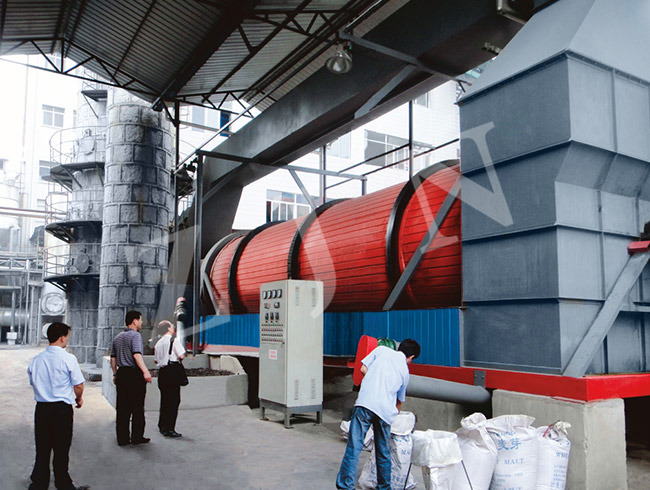
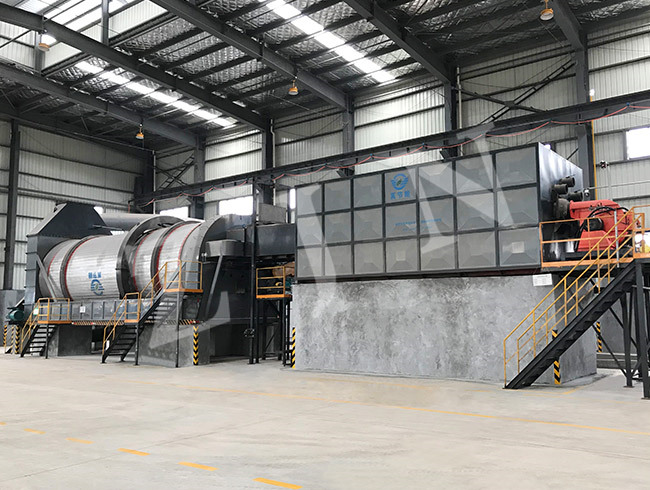
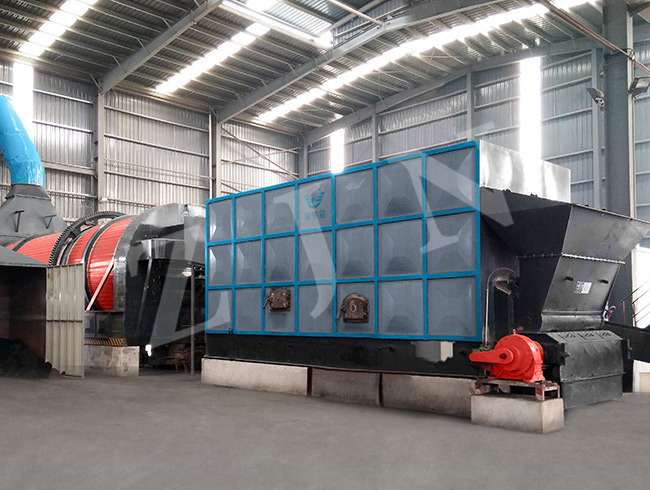
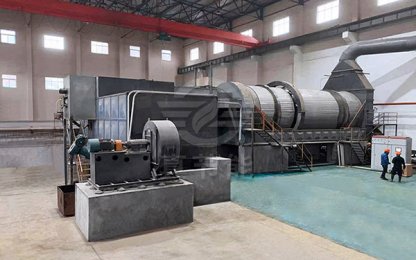
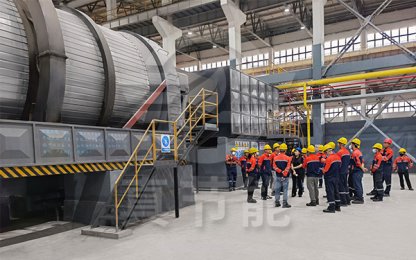
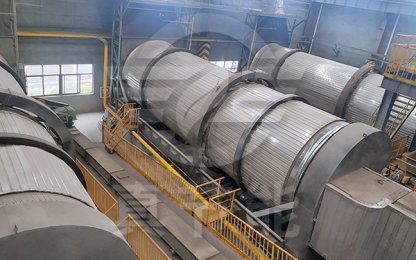
Rotary drum dryers are widely adopted for electroplating sludge. As large‑scale mechanical units capable of 24‑hour continuous operation, rotary dryers realize rapid moisture evaporation from wet sludge through heat and mass transfer between materials and high‑temperature hot air.
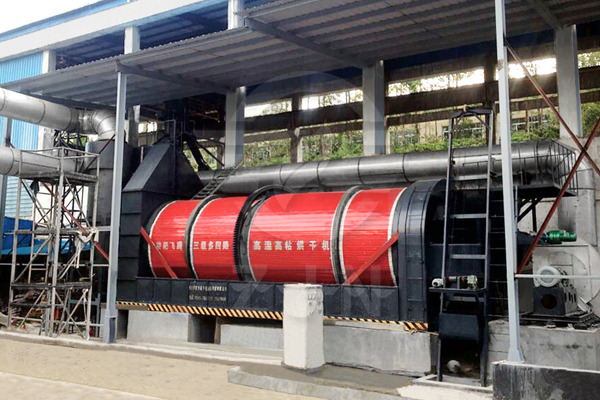
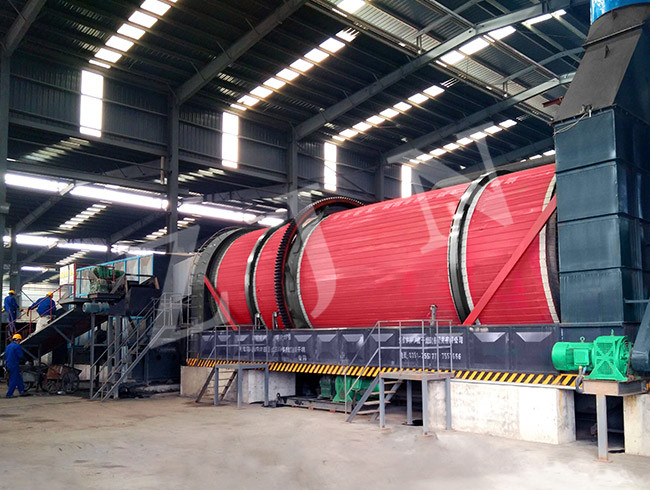
Classified by drum structure, there are single‑drum electroplating sludge dryers and three‑pass multi‑return rotary dryers.
Single‑drum dryers feature low investment cost and simple structure yet require a large footprint.
Three‑pass multi‑return dryers are improved on the basis of single‑drum models. They are well‑suited for high‑moisture and high‑viscosity materials with broader application scope, smaller floor space, large processing capacity and high thermal efficiency.
2. Clarify Your Drying Requirements
Before purchasing an electroplating sludge dryer, define your actual drying demands. Take into account sludge properties including moisture content, viscosity, particle size and target dryness, as well as required output and finished‑material quality. Select proper drying equipment and heat sources to guarantee drying efficiency.
3. Wide Range of Heat Source Options
Electroplating sludge dryers can be heated by natural gas, coal, fuel oil, biomass pellets and other fuels. Waste flue gas and waste steam from boilers can also be utilized as waste‑heat heat sources.
Based on contact patterns between hot air and feedstock, heating modes fall into direct heating and indirect heating.
Direct heating delivers full heat utilization, high thermal efficiency and fast drying speed.
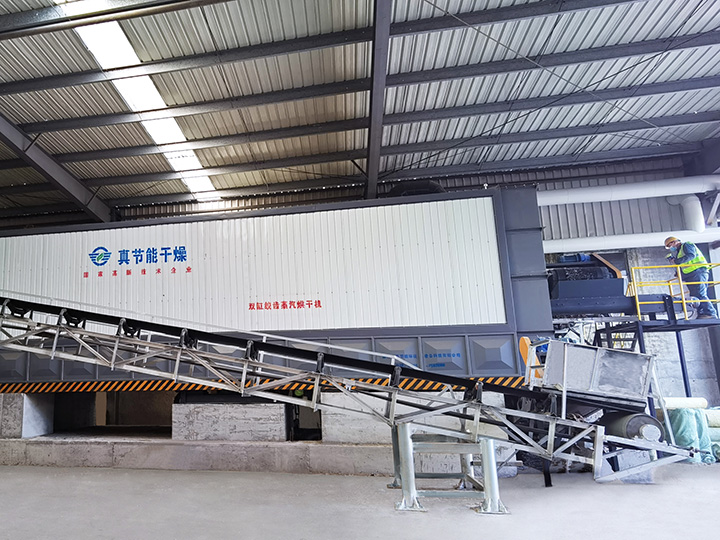
For indirect heating, hot air does not come into direct contact with materials. It avoids material contamination, brings favorable environmental performance and simplifies waste‑gas treatment. Customers may pick suitable solutions according to local conditions and project heat‑source conditions.
The above covers key points for selecting electroplating sludge dryers.