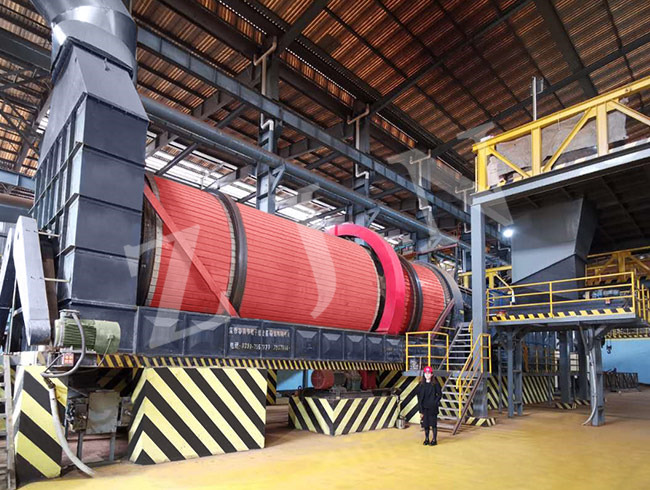
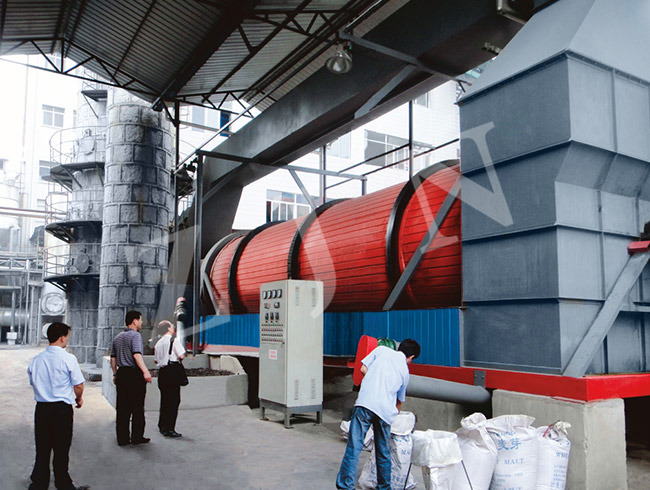
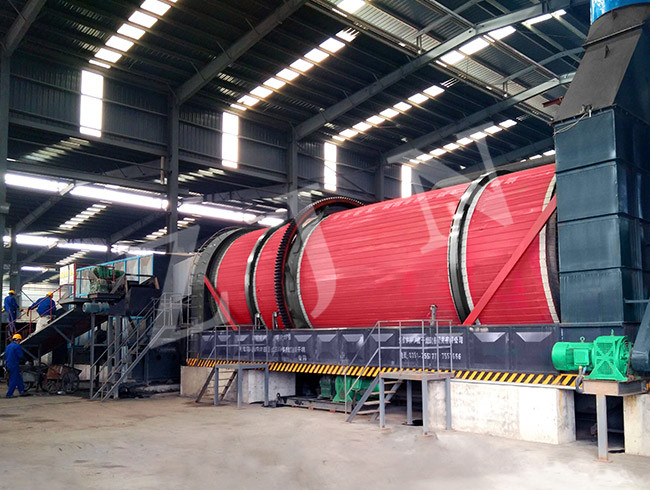
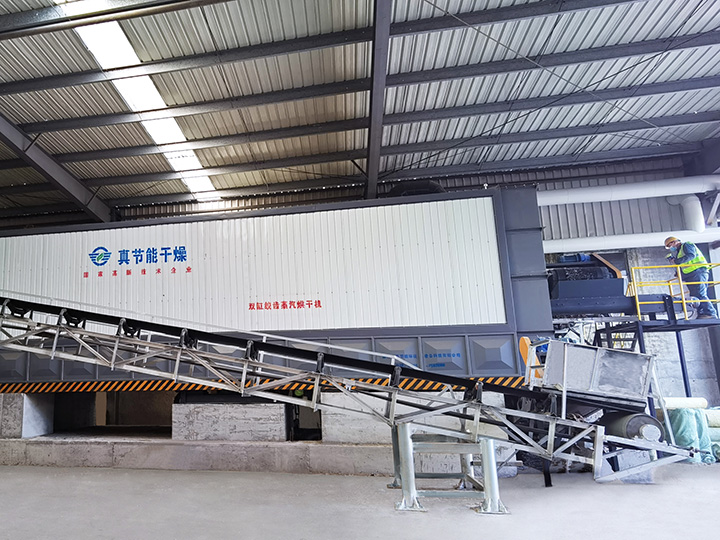
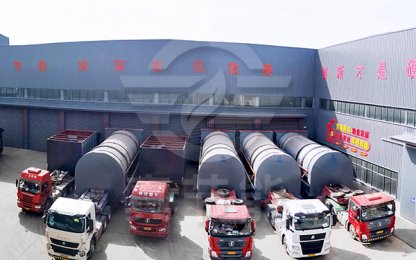
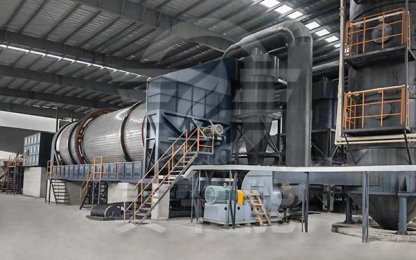
Biochemical sludge dryers are professional dewatering and drying equipment widely used for biochemical sludge treatment. To meet diverse project requirements across different industries, modern sludge dryers adopt flexible drying processes. Different drying technologies deliver unique strengths in efficiency, energy consumption, finished product quality and environmental performance. The advantages of direct drying, indirect drying and hybrid drying processes are analyzed in detail below.
1. Advantages of Direct Drying Process
The direct drying process works by allowing high‑temperature hot air to make direct contact with wet sludge. This heat‑mass transfer method greatly shortens heat conduction time and accelerates moisture evaporation.
First, direct drying features high thermal efficiency and low heat loss. It significantly improves drying speed and reduces overall operating costs. Second, the direct drying process imposes no special restrictions on sludge types, greatly expanding the application range of biochemical sludge dryers. It adapts to most common industrial and biochemical sludge with strong universal applicability.
2. Advantages of Indirect Drying Process
The indirect drying process transfers heat through thermal conduction without direct contact between hot air and wet sludge. Heat penetrates through the metal wall to evaporate internal moisture from the sludge.
This process ensures superior finished sludge quality. Since no hot air contacts the materials directly, secondary contamination is effectively avoided. In most cases, indirect drying can use waste steam as the heat source, realizing full waste heat recovery and greatly reducing exhaust gas treatment costs.
In addition, indirect drying provides better environmental protection performance. During direct drying, evaporated water vapor may carry fine sludge particles and chemical components, causing secondary pollution. Indirect drying effectively prevents particle entrainment, reduces flue gas volume and lowers overall pollution treatment pressure.
3. Advantages of Hybrid (Direct + Indirect) Drying Process
The hybrid drying process combines direct heating and indirect heating technologies. It integrates the high efficiency of direct drying and the high quality of indirect drying.
This composite process significantly accelerates drying speed, shortens processing cycles and maximizes thermal energy utilization. It is especially suitable for high‑moisture and high‑viscosity biochemical sludge that is difficult to dry with single processes. The hybrid solution ensures both high drying efficiency and stable finished product quality.
Each drying process for biochemical sludge dryers has its own characteristics and applicable scenarios. Proper process selection helps improve drying efficiency, save energy consumption, reduce environmental pollution and maintain stable finished sludge quality. Enterprises can choose targeted drying solutions according to sludge properties, site heat source conditions and environmental protection standards.
ZJN Drying System Co., Ltd. supports customized direct drying, indirect drying and hybrid drying processes for biochemical sludge. We select the most suitable technical solution based on actual sludge characteristics and project demands to achieve high efficiency, energy saving and environmentally friendly sludge drying.