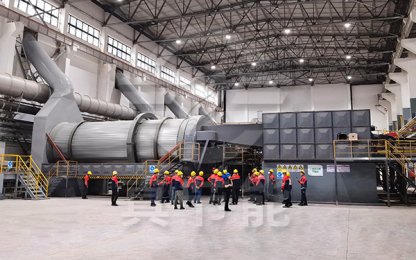
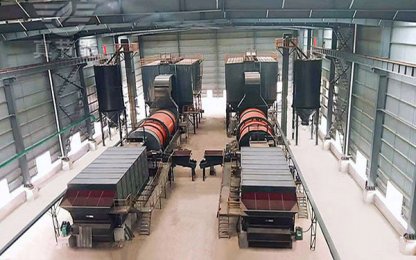
Based on drying process technology, dryers can be classified into indirect heating and direct heating types. The Sludge Hollow Paddle Dryer is a common piece of indirect heating drying equipment, whereas the Three-stage Multi-loop Dryer (with disintegrator) represents a typical direct heating system. The following is a detailed comparison of their respective characteristics.
1. Sludge Hollow Paddle Dryer
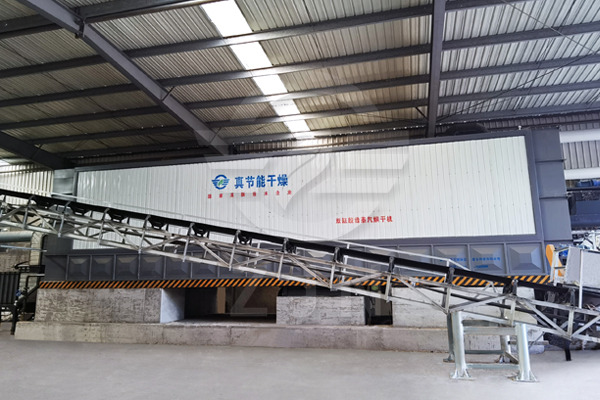
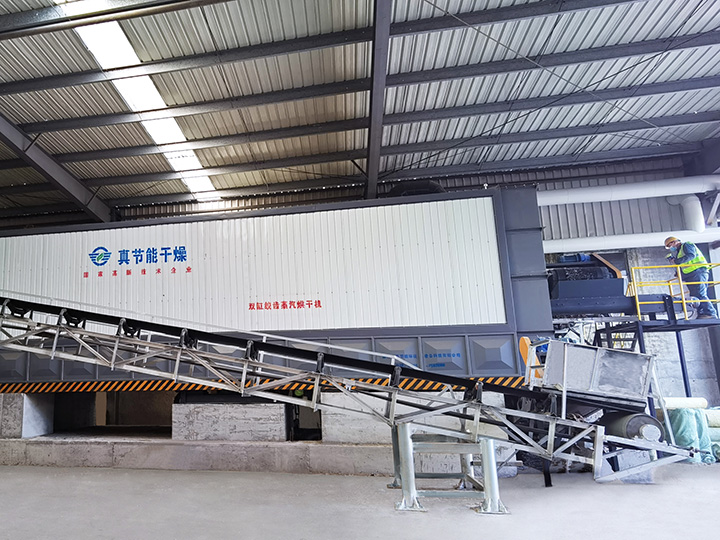
In terms of structure, this dryer can be configured horizontally, with options for double or quadruple shafts. The main assembly consists of a base, a transmission unit, a W-shaped jacketed housing, and 2 to 4 internal hollow paddle shafts. The thermal medium flows through the hollow shafts and paddles. Drying is achieved through sufficiens contact between the wet sludge and the heated surfaces, facilitated by the agitation and mixing action of the rotating paddles.
Advantages: As the heating medium (e.g., thermal oil, steam) does not directly contact the sludge, volatile organic compounds (VOCs) and odorous gases are contained within the sealed system and directed to the exhaust gas treatment unit, minimizing environmental pollution. The equipment incorporates a self-cleaning mechanism that helps prevent material buildup on the heating surfaces.
Disadvantages: It exhibits a relatively low thermal efficiency and higher heat losses. Processing capacity is generally lower compared to direct drying methods, and the equipment can be prone to material adhesion when handling sludge with high moisture and viscosity.
2. Three-stage Multi-loop Dryer (with disintegrator)
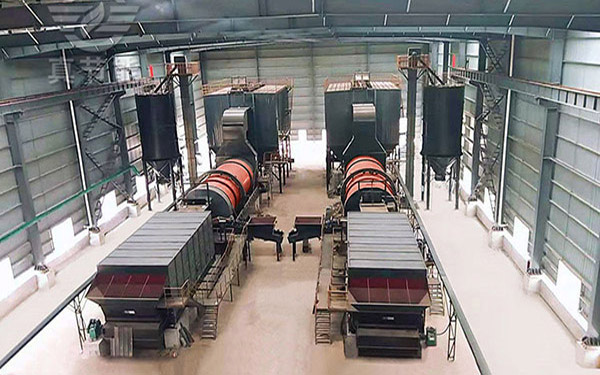
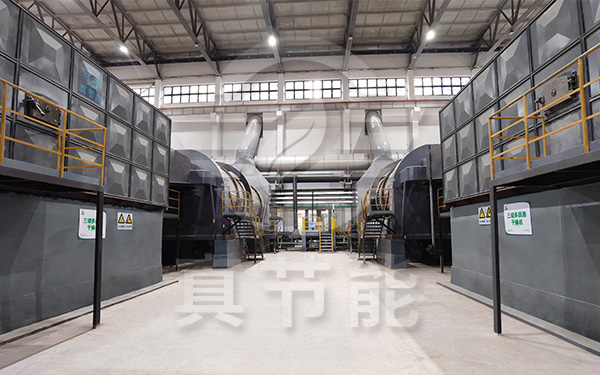
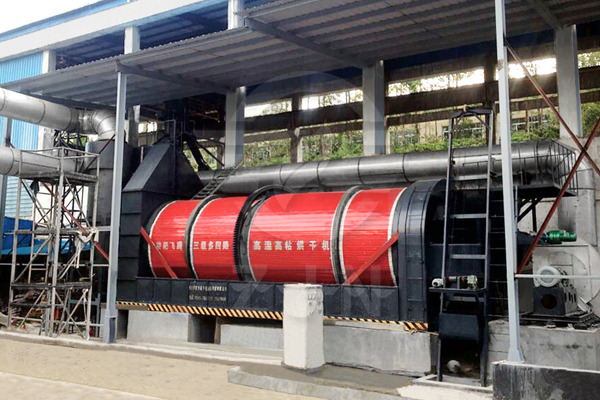
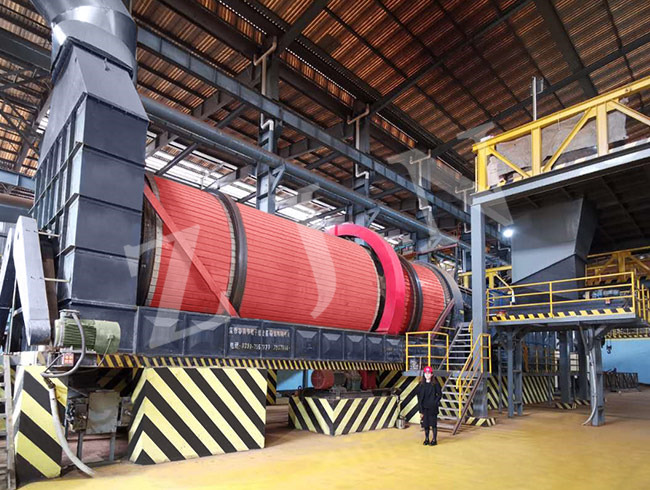
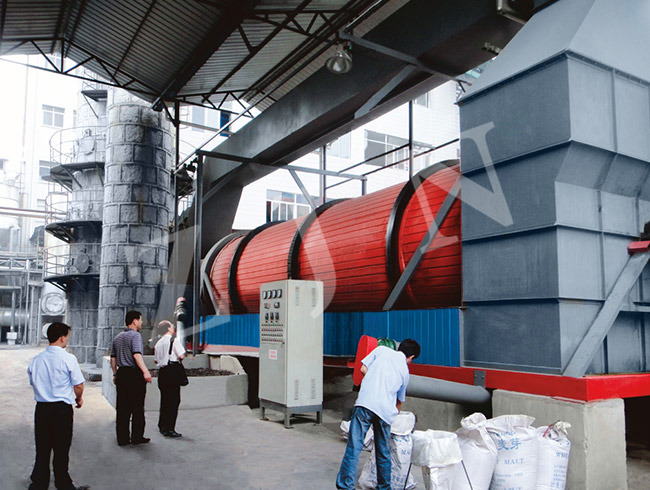
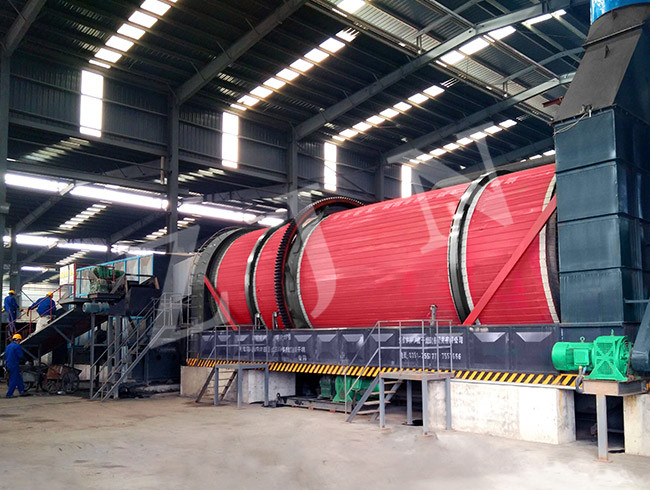
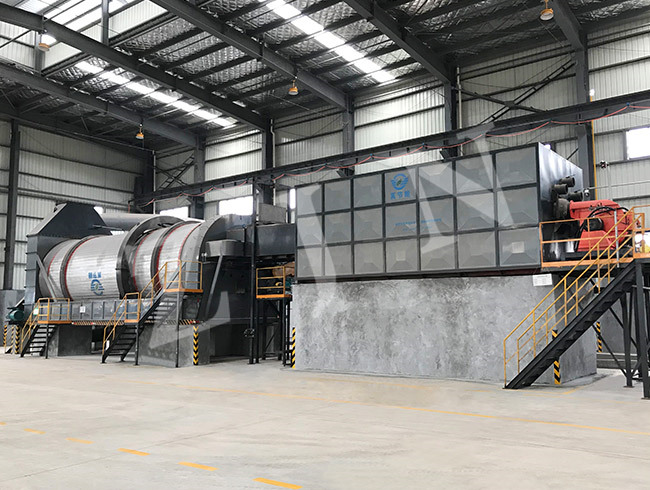
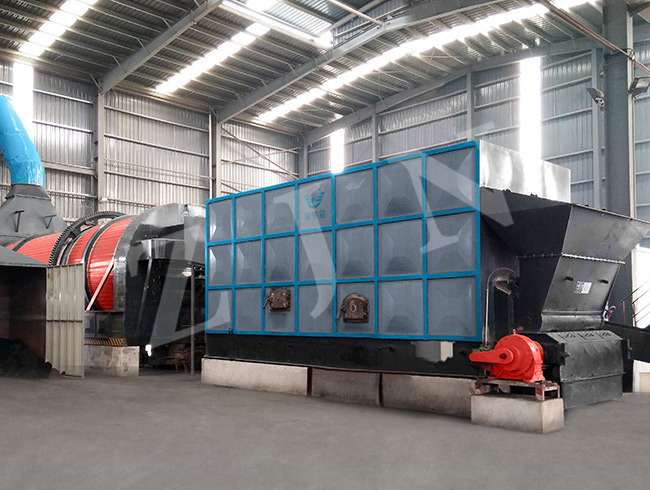
The main body of this dryer is a rotating cylinder composed of three concentric drums. Upon entering the drum, the sludge is rapidly broken up and dispersed by an internal high-speed crushing device. Simultaneously, specially designed lifting flights continuously cascade and suspend the material, forming a uniform curtain that fills the drying volume. This significantly enhances the contact area between the sludge particles and the hot gas stream, thereby improving heat and mass transfer efficiency.
To achieve deep moisture removal, the drying process is systematically staged:
Co-current Drying Stage: Material and hot gas flow in the same direction, enabling rapid evaporation of surface moisture.
Counter-current Drying Stage: Material flow direction reverses relative to the hot gas, intensifying heat and mass transfer to enhance drying effectiveness for bound moisture.
Alternating/Reciprocating Flow Stage: Through the internal structure of the drum and gas flow control, the residence time of material is optimized—wet material is retained longer while drier material advances faster—ensuring uniformly dried output.
Advantages: Compared to the indirect hollow paddle dryer, the direct heating method achieves significantly higher thermal efficiency and faster drying rates by minimizing heat losses. This design supports large-scale processing, with single-line capacities reaching hundreds of tons per day, making it particularly suitable for treating large volumes of sticky, high-moisture sludge.
Disadvantages: The exhaust gas, having been in direct contact with the sludge, requires treatment in a dedicated air pollution control system to meet environmental emission standards before being released into the atmosphere.