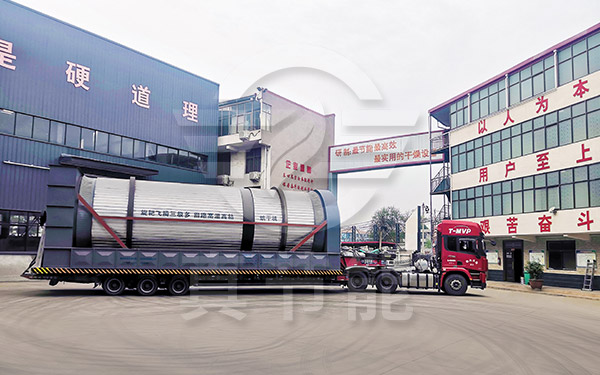
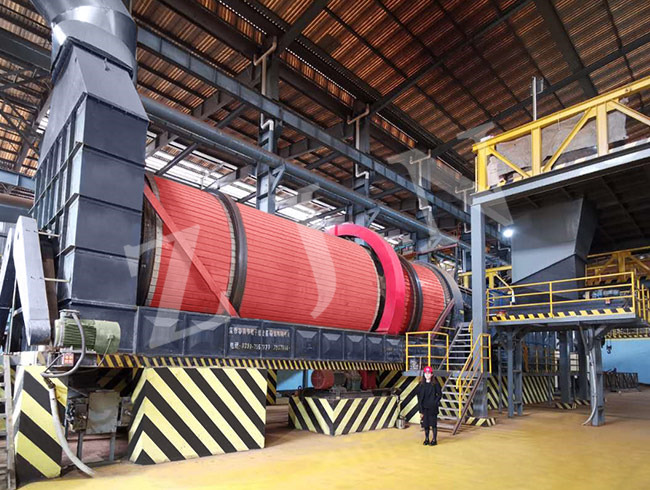
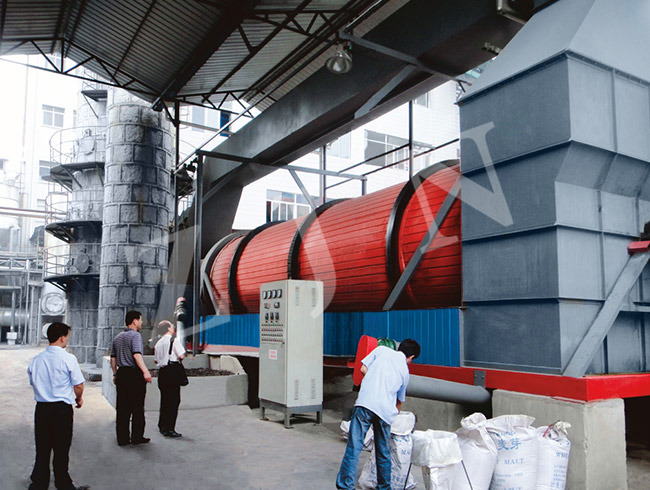
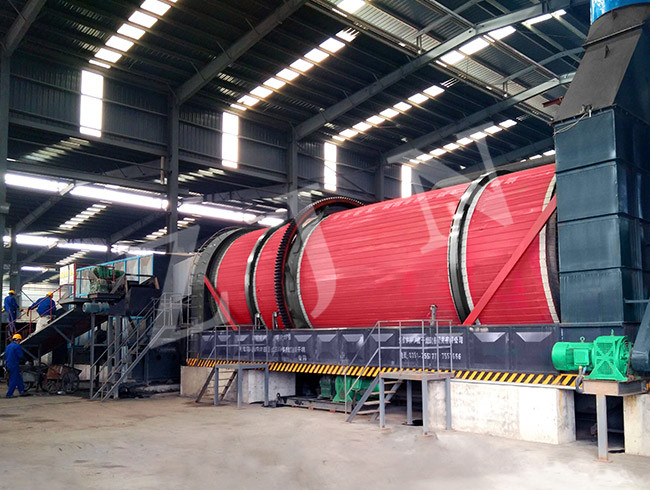
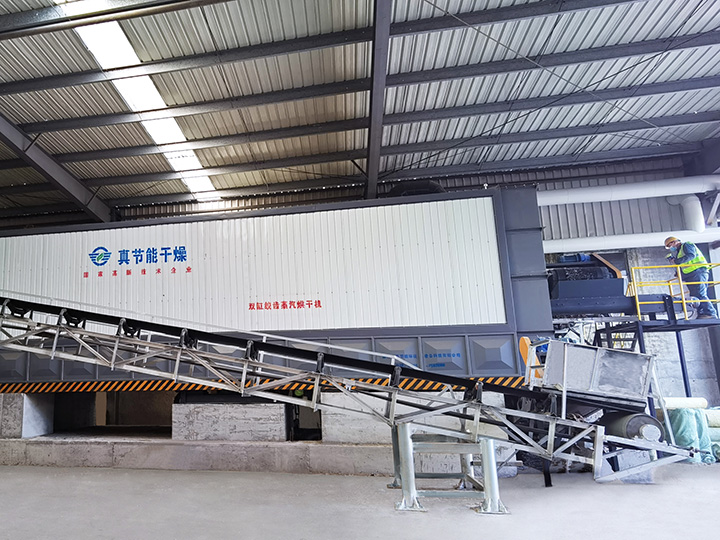
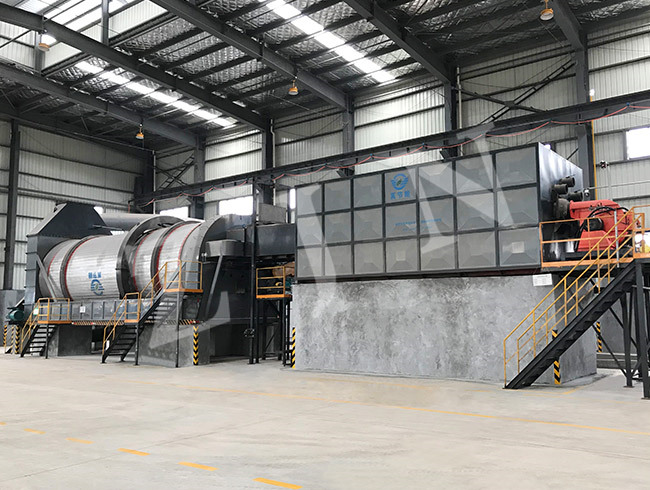
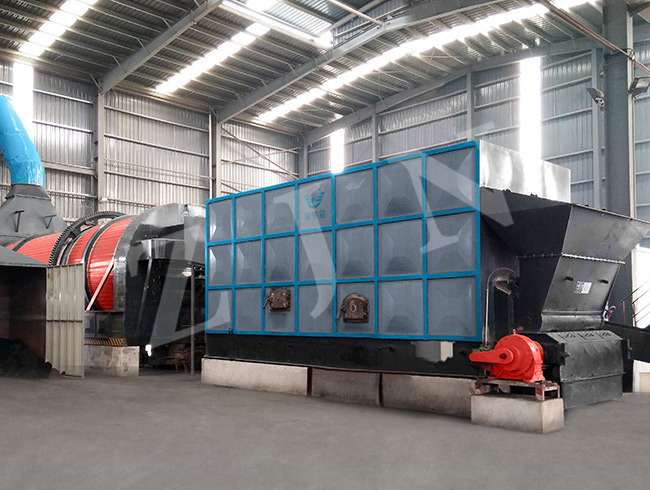
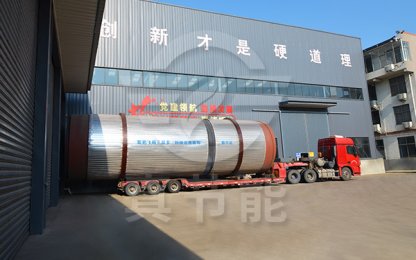
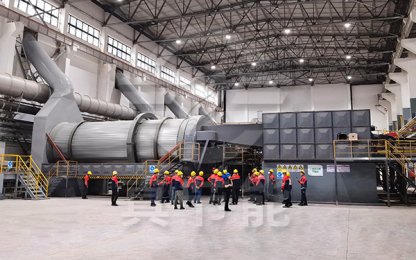
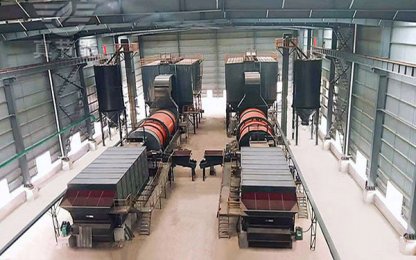
River sludge is formed at the bottom of waterways through long-term physical, chemical, and biological processes, characterized by its long-term formation, accumulation, and latent pollution. After being dried and dewatered by a river sludge dryer, it can be turned from waste into valuable nutrient fertilizer. Below, editors from ZJN introduce several common drying technologies.
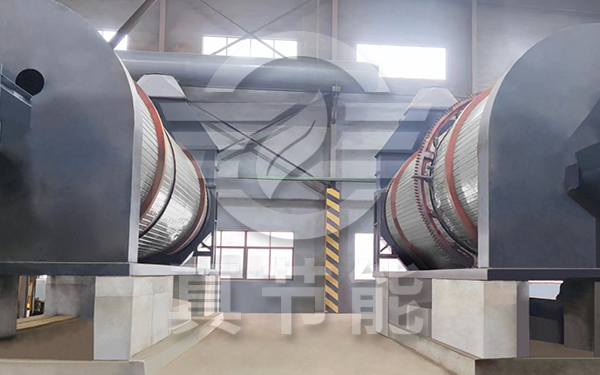
1.Three-stage Multi-loop Drying Technology (with disintegrator) The Three-stage Multi-loop river sludge dryer adopts a new three-stage core unit with an integrated linkage design. The whole system is divided into three drying stages: primary, secondary, and tertiary. Air volume and temperature in each stage can be adjusted according to the moisture content of the material, ensuring high configuration for high moisture, medium for medium, and low for low. This makes full use of heat energy and keeps materials in an optimal drying environment at all times.
2.Waste Heat Utilization Drying Technology This technology uses boiler exhaust gas as the heat source for the dryer, effectively realizing waste heat recovery, reducing operating costs, and solving the problem of high energy consumption in direct-heat drying. However, it requires the enterprise to have available boiler waste heat and be located relatively close to the boiler.
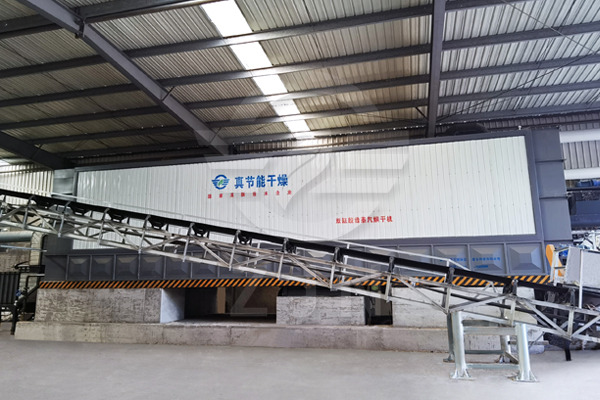
3.Steam Utilization Drying Technology Using steam as a heat source is an advanced drying technology on the market. Steam is more economical than natural gas, avoids contamination of sludge during drying, and simplifies waste gas treatment, making it a clean and eco-friendly energy source.
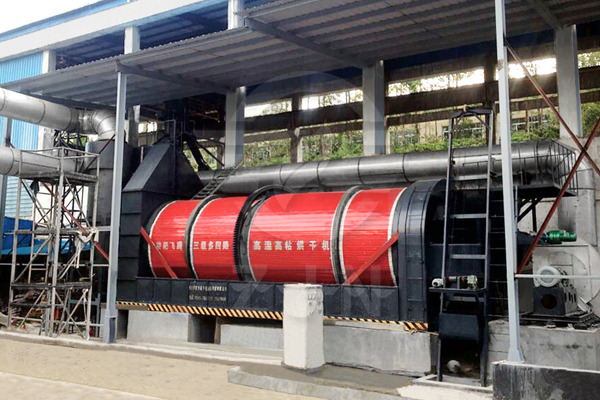
4. Low-Temperature High-Airflow Drying Technology Low-temperature high-airflow river sludge dryers ensure stable physical and chemical properties of materials and high-quality dried products. Lower operating temperatures effectively suppress the formation of harmful gases such as dioxins, avoid secondary pollution, and reduce the difficulty of subsequent exhaust gas treatment.