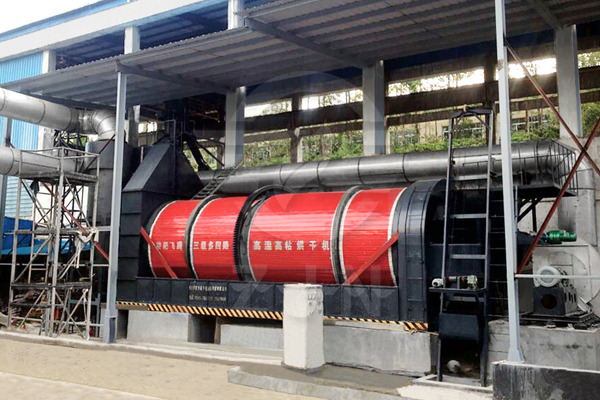
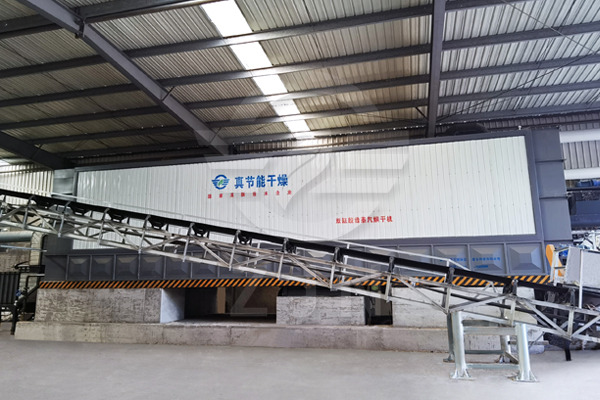
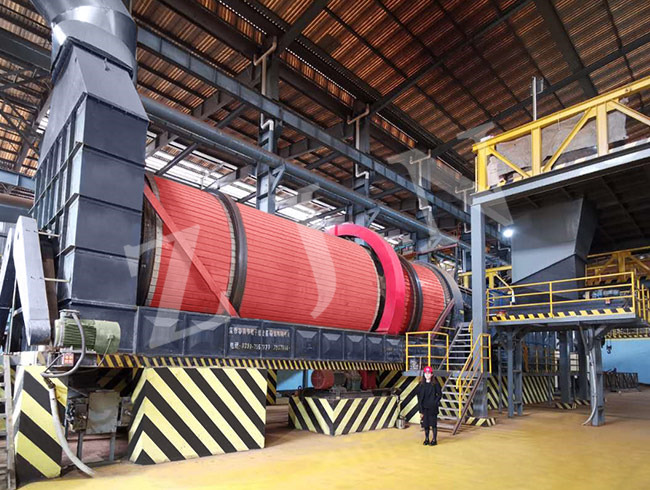
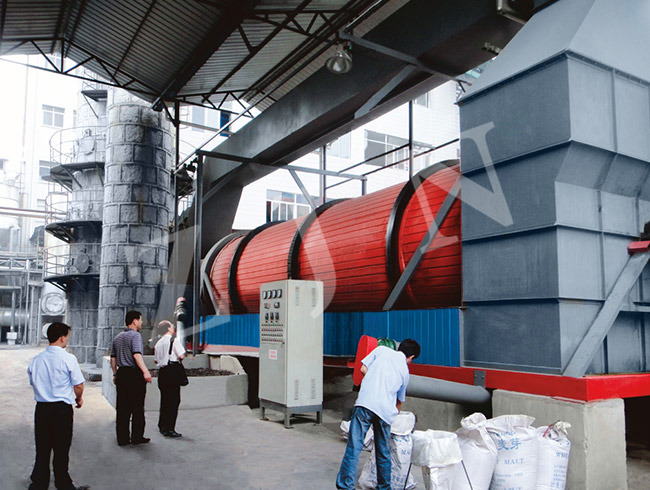
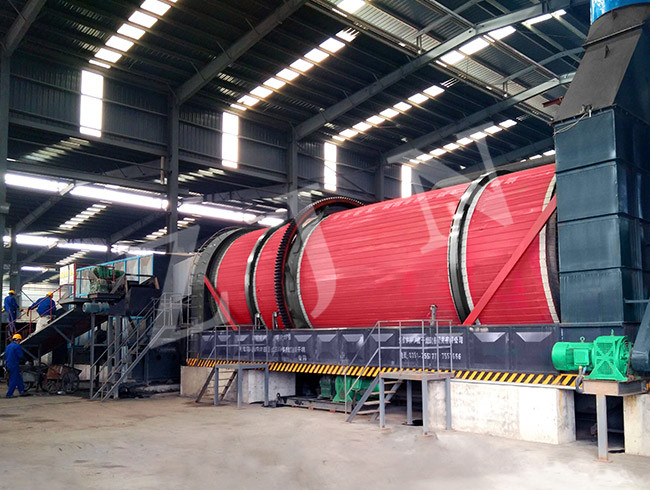
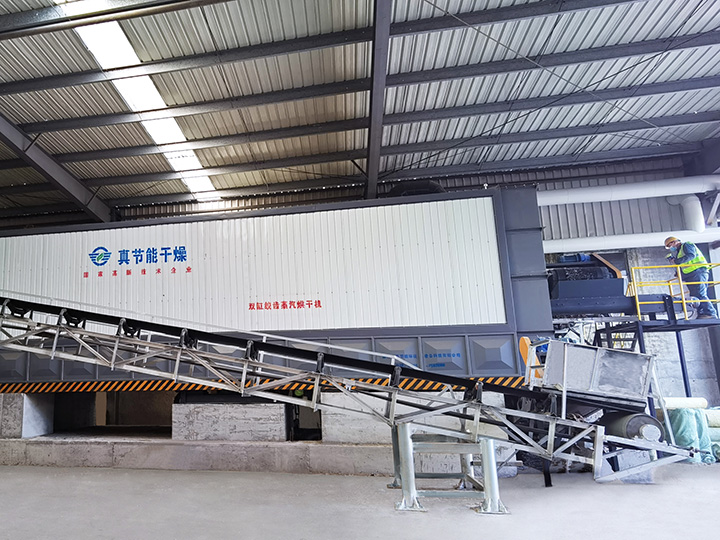
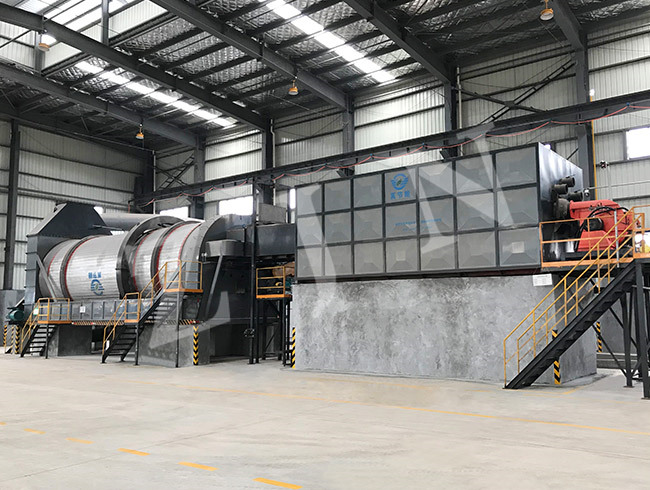
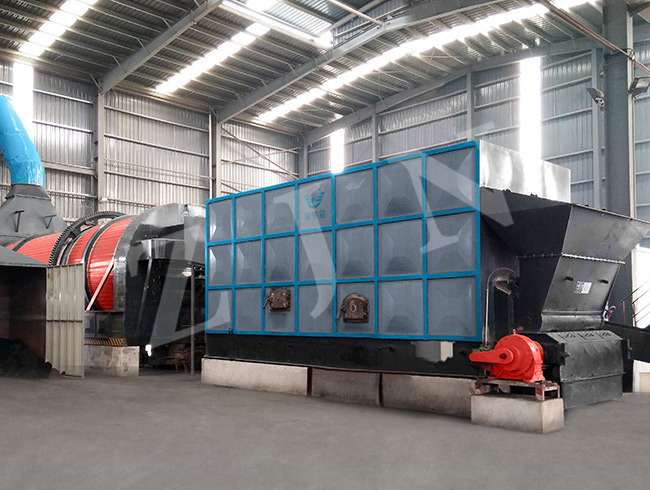
Rotary drum sludge dryers are a common type of drying equipment. Structurally, they can be divided into single-drum dryers, triple-drum dryers and other models. Among them, triple-drum dryers have become standard equipment for many sludge treatment enterprises. They effectively solve the drying problem of high-moisture and high-viscosity sludge and have gained wide recognition from users for their reliable performance and fast drying efficiency. For the entire drying production line, a qualified sludge dryer is critical and serves as a key link in sludge treatment. Below, editors from ZJN elaborate on its functions. With industrial development and growing daily living demands, numerous industries such as electroplating, textile, leather and metal processing generate large amounts of sludge during normal production. This sludge contains various chemical substances and has unstable properties. Long-term accumulation in soil and water sources causes severe environmental hazards, making sludge treatment a top priority for many enterprises.
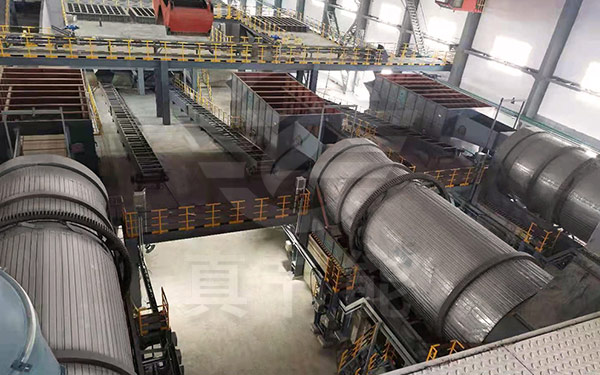
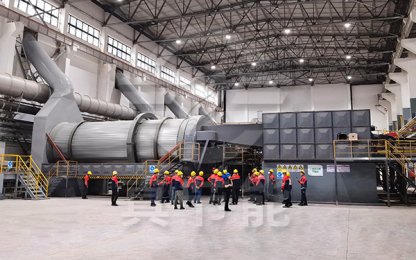
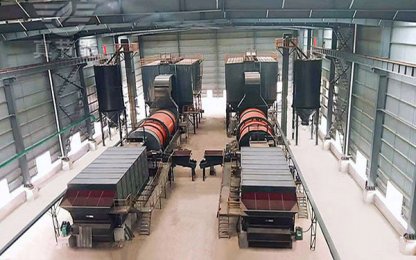
The primary goals of sludge treatment are reduction and harmlessness, and rotary drum sludge dryers were developed precisely to achieve these objectives. Traditional single-drum dryers feature a simple structure, consisting mainly of a single-layer cylindrical drum where materials and hot air enter at one end and discharge at the other. Due to single-stage operation and a simple process, materials often suffer from uneven drying and moisture reabsorption at the discharge end. Moreover, they cannot handle high-moisture and high-viscosity materials. Based on the single-drum rotary sludge dryer and drawing on multiple domestic and international drying technologies, ZJN Environmental Protection Equipment has developed the Three-stage Multi-loop Dryer (with disintegrator)** series for high-moisture and high-viscosity materials after years of research and development. This equipment adopts a triple-cylinder structure, with a length only one-third that of single-drum models while significantly improving drying efficiency. Excellent thermal insulation and sealing performance reduce heat loss. Materials go through three drying stages throughout the process, achieving ideal drying results through in-depth drying and step-by-step dehydration. It is currently the preferred choice for many well-known enterprises.