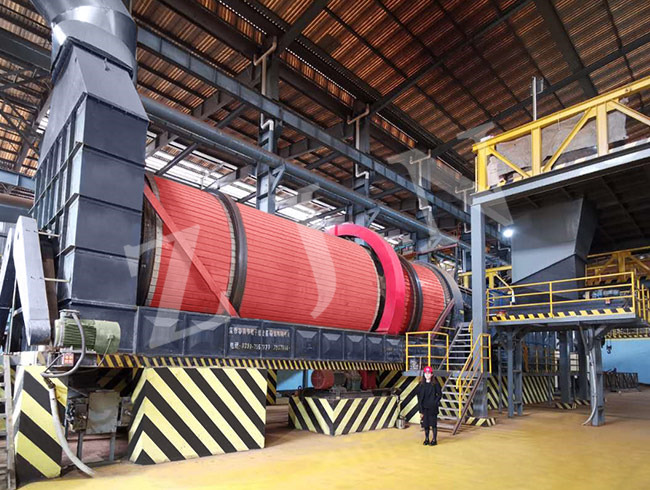
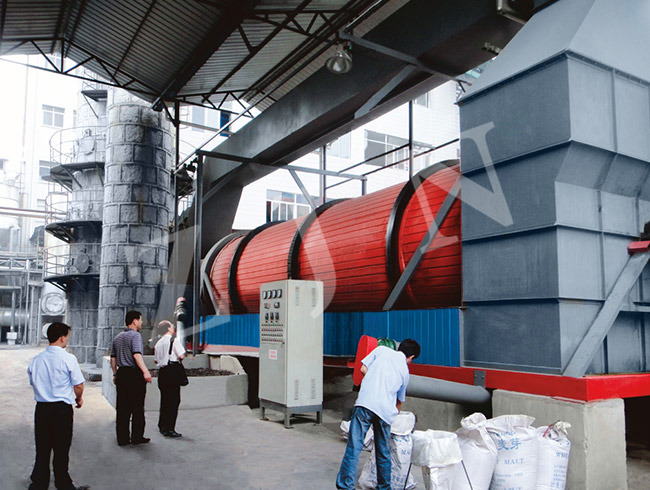
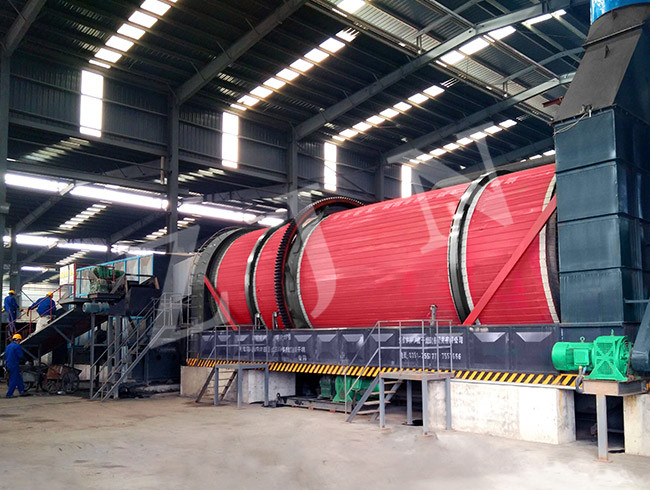
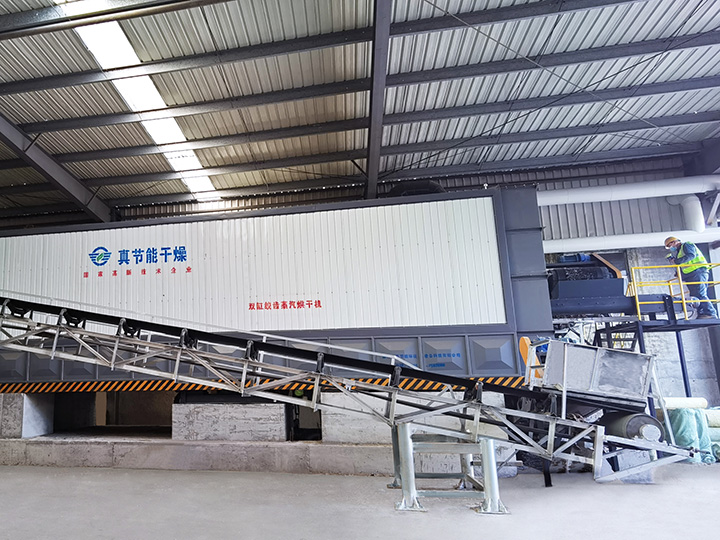
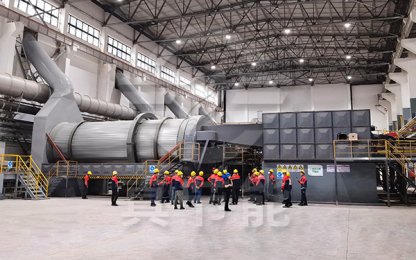
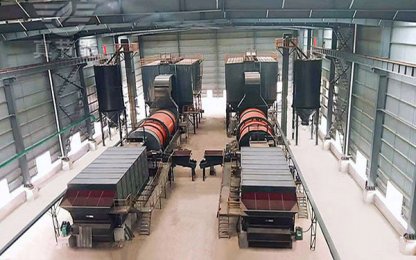
Brewer's spent grain drying equipment plays a vital role in the drying process of wet brewer's spent grain. As a by-product generated during beer brewing, brewer's spent grain is rich in nutrients. However, it is prone to spoilage if not processed promptly, resulting in environmental pollution and resource waste. To fully utilize the nutritional value of brewer's spent grain, numerous breweries adopt drying equipment to dehydrate and dry the spent grain. So what exactly is the daily output of brewer's spent grain drying equipment?
I. Working Principle of Brewer's Spent Grain Drying Equipment
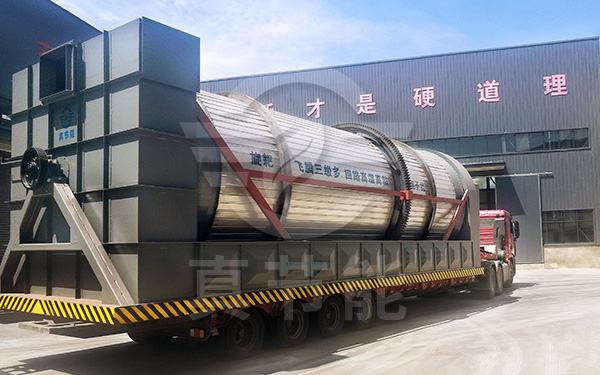
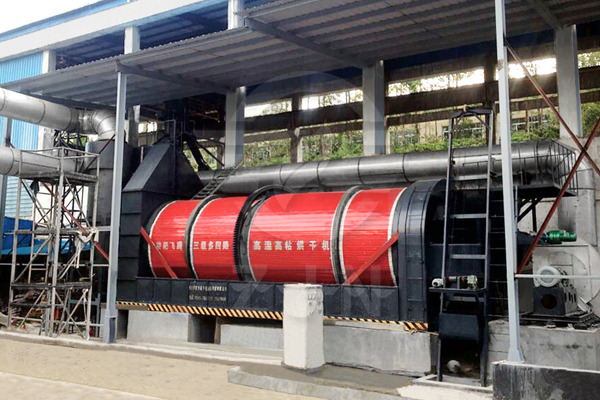
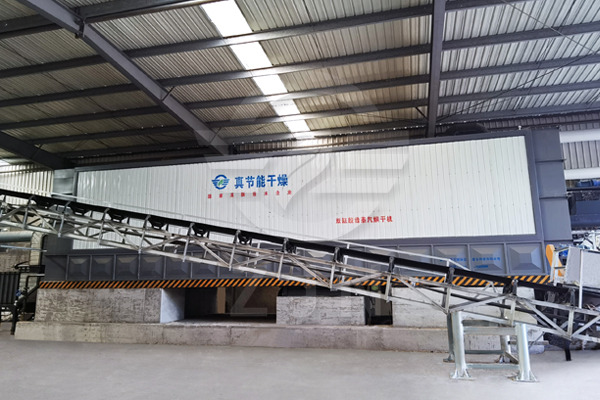
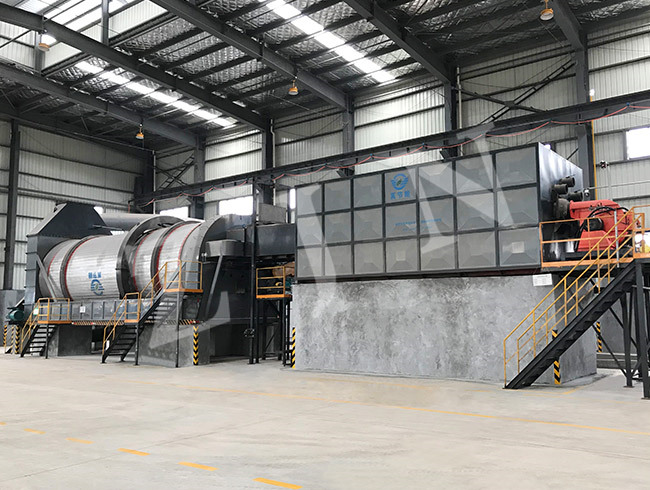
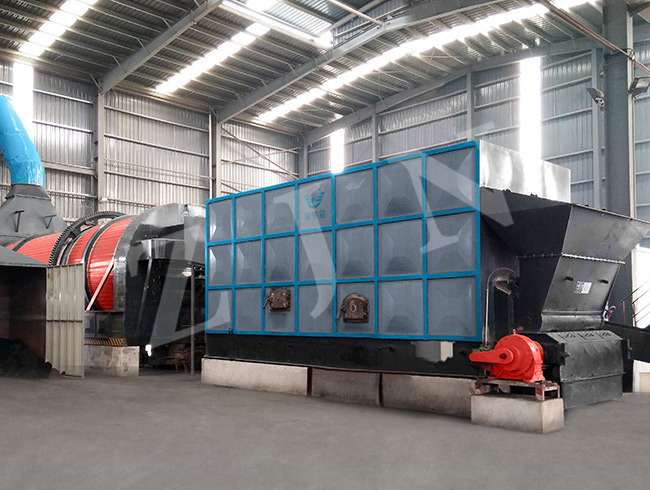
The equipment mainly consists of a dryer, feeding system, residue discharging system, heat source system and other components. Its working principle is to evaporate moisture in brewer's spent grain with hot air to achieve drying. Specifically, brewer's spent grain is first conveyed into the dryer via the feeding system. The heat source system then supplies heat to raise the internal temperature of the dryer. As hot air circulates, moisture inside the spent grain evaporates gradually. Dried brewer's spent grain is discharged from the equipment through the residue discharging system, while moisture is exhausted in the form of steam.
II. Factors Affecting the Output of Brewer's Spent Grain Drying Equipment
The output of the equipment is subject to multiple influencing factors, mainly including equipment model, operating efficiency, raw material moisture content and heat source stability. Different models of drying equipment feature different processing capacities. Generally speaking, larger and more advanced equipment delivers higher output. Besides, operating efficiency also impacts output: high-efficiency units complete drying cycles faster and boost production capacity.
Raw material moisture content is a key factor. Higher moisture levels require more time and energy for drying, which cuts down output. Meanwhile, the stability of the heat source system matters greatly; a steady heat supply enables continuous equipment operation and raises daily throughput.
III. Methods to Increase the Output of Brewer's Spent Grain Drying Equipment
The following measures can be adopted to lift the equipment’s daily output:
1. Select appropriate equipment models and specifications according to actual production demands to guarantee sufficient processing capacity.
2. Strengthen equipment maintenance and upkeep, and inspect all components regularly to keep the unit in optimal operating condition.
3. Optimize technical processes to improve equipment efficiency and reduce energy and resource consumption during production.
4. Lower the moisture content of raw materials to shorten drying time and cut energy costs.
5. Stabilize the heat source system to ensure continuous and stable equipment operation for higher output.
The output of brewer's spent grain drying equipment is determined by a combination of multiple factors. Reasonable selection of equipment models, optimized technical processes and improved operating efficiency can effectively increase the equipment’s throughput and realize the recycling and utilization of brewer's spent grain resources.