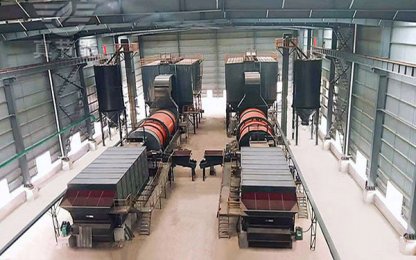
Sludge is residual waste generated during industrial production and daily life. It contains abundant microorganisms and pathogenic bacteria, prone to decay and odor emission, posing severe threats to the ecological environment. In addition, sludge features high moisture content and large volume, occupying massive land resources. Long-term stockpiling will hinder enterprises’ sustainable development. Accordingly, sludge treatment and disposal must meet the requirements of harmless treatment, volume reduction, stabilization and resource recovery. At present, low-temperature sludge dryers are widely adopted to dewater and dry sludge.
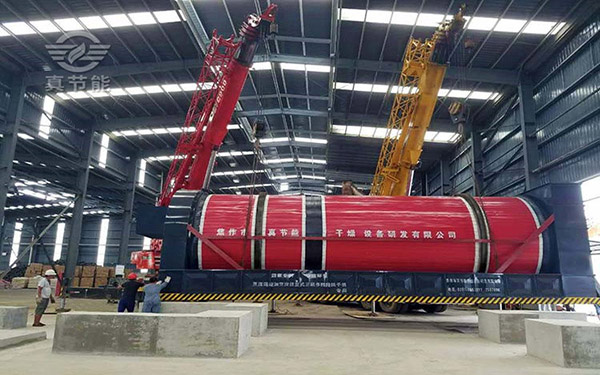
The equipment applies low-temperature drying technology. By lowering drying temperature and increasing air volume and wind speed, sludge drying is realized. Low-temperature drying well preserves the original organic composition of dried sludge. It effectively inhibits the generation of harmful gas during drying, lowering the difficulty of subsequent tail gas treatment. Meanwhile, corrosion of equipment caused by harmful gas is reduced, significantly extending the service life of the machine. This article introduces the principle and flow chart of the low-temperature sludge dryer.
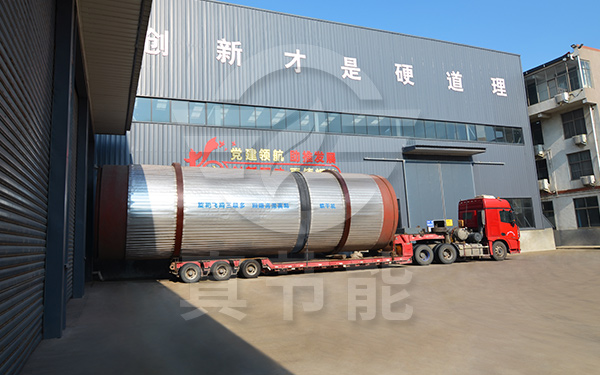
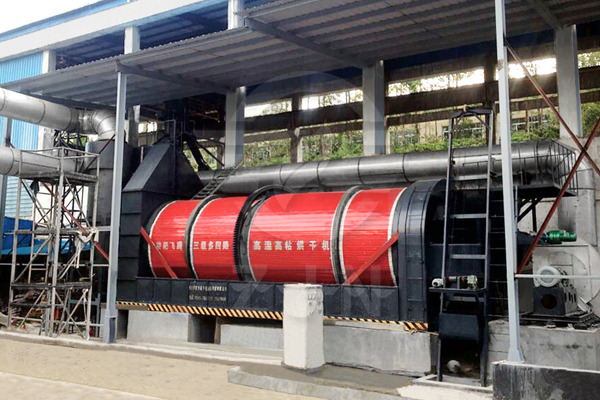
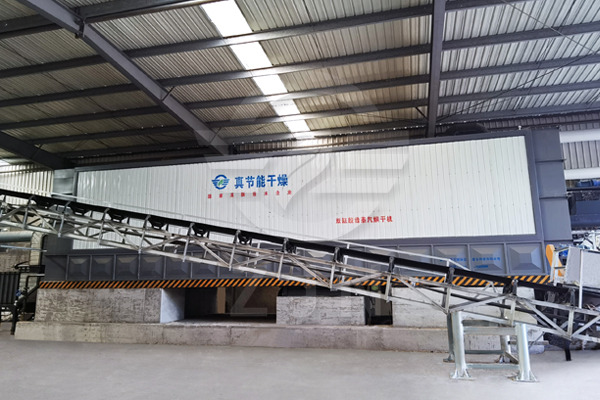
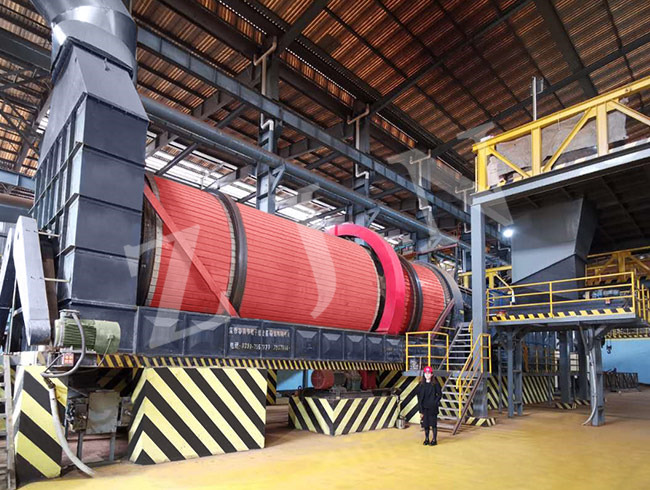
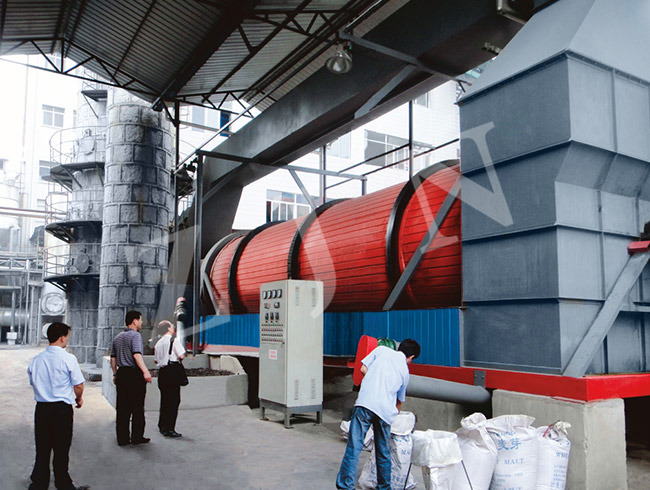
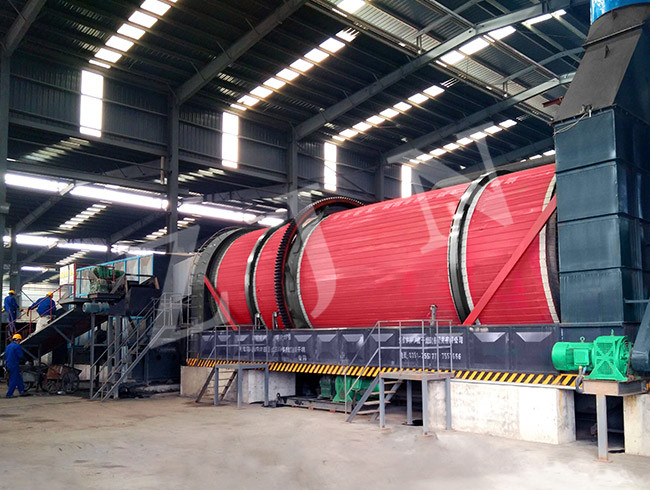
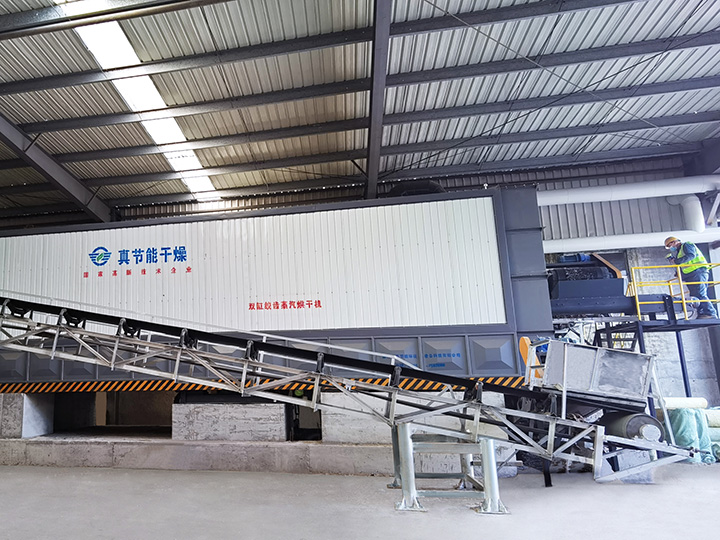
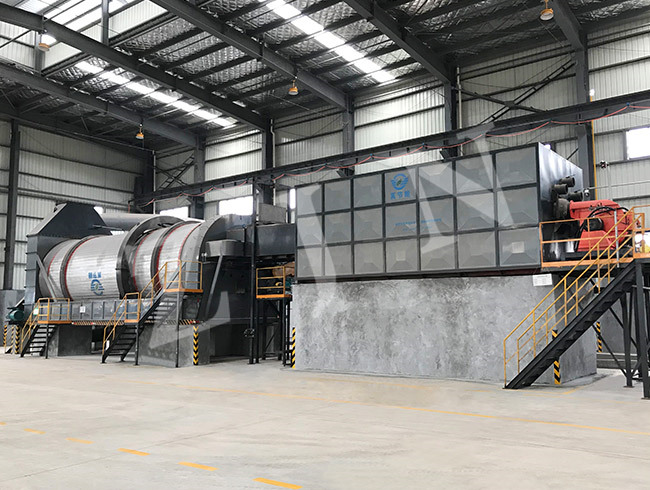
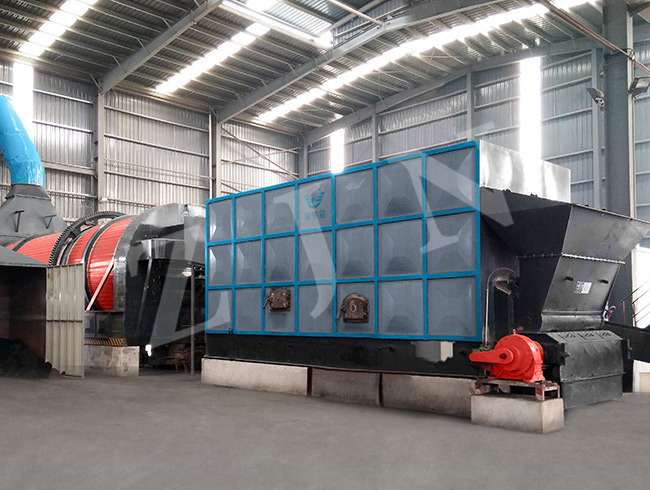
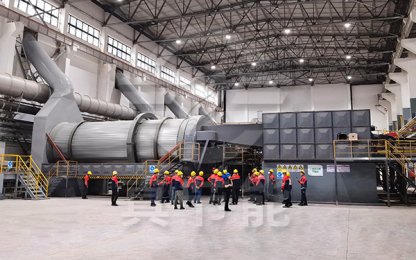
A complete low-temperature sludge drying production line consists of a hot blast stove, feeding unit, main dryer body, discharging unit, induced draft fan, dust remover, power distribution cabinet and other auxiliary components.
Working Principle & Process Flow
During operation, the hot blast stove burns fuel to generate heat and supply heat to the main dryer body. Wet sludge is conveyed into the dryer cylinder via the feeding device. Heat fully contacts sludge inside the cylinder. Equipped with a professional material lifting and stirring system, the cylinder continuously stirs, separates and breaks up sludge. This accelerates heat exchange between sludge and hot air, improves thermal efficiency and production capacity, and ensures uniform moisture of finished sludge with stable quality.
Dried sludge is discharged from the cylinder through the discharging unit for centralized packaging. Flue gas and dust produced in the process are delivered by the induced draft fan to the dust removal system for filtration, purification and dust reduction. After reaching standard emission limits, the treated gas is discharged into the atmosphere to maintain a clean production environment.
Application Scope
The low-temperature sludge drying equipment is applicable for municipal sludge, electroplating sludge, steel mill sludge, chemical sludge, papermaking sludge, printing & dyeing sludge, textile sludge, pharmaceutical sludge, tannery sludge, coal slime, alkaline sludge, activated sludge and other types of sludge.
Dried sludge has extensive reuse values: it can be sent to landfills, used as farmland fertilizer, incinerated for energy recovery, or processed into building materials including bricks, tiles, cement, ceramsite and modified composite materials.