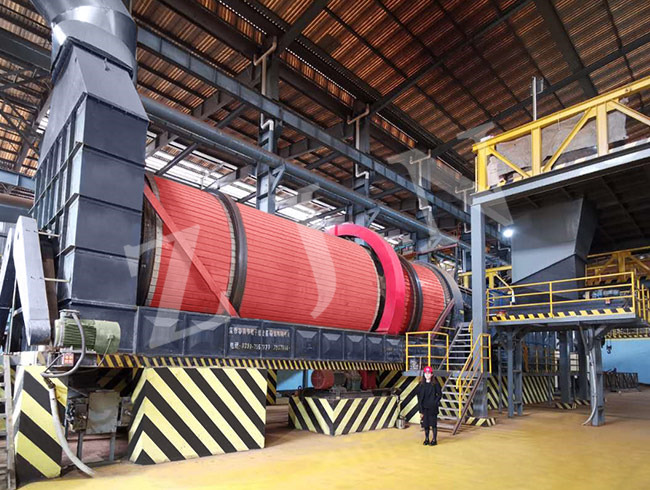
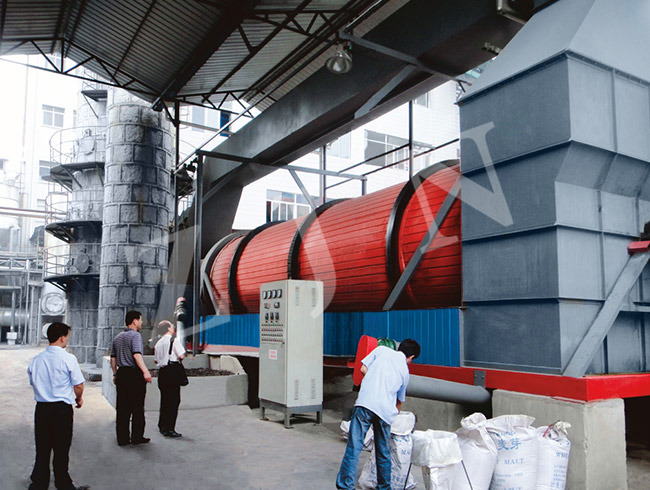
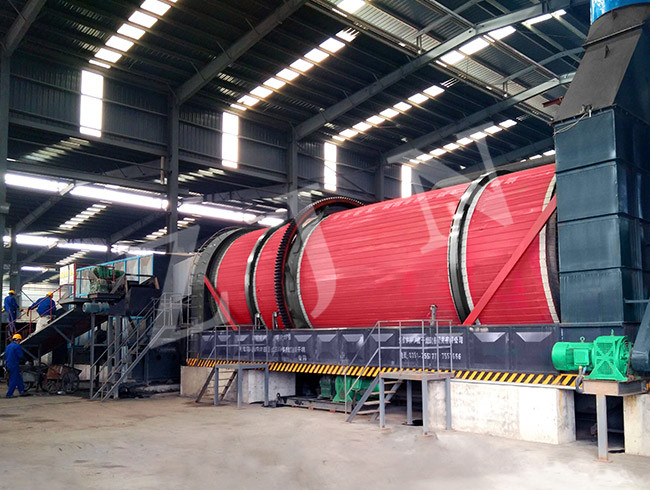
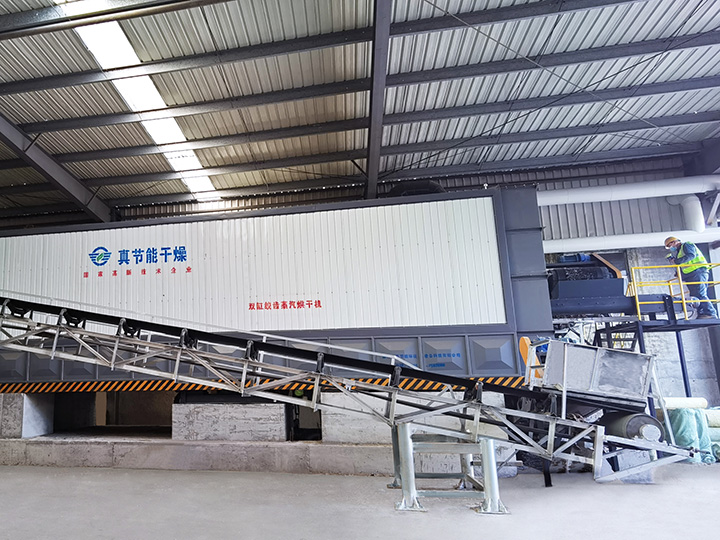
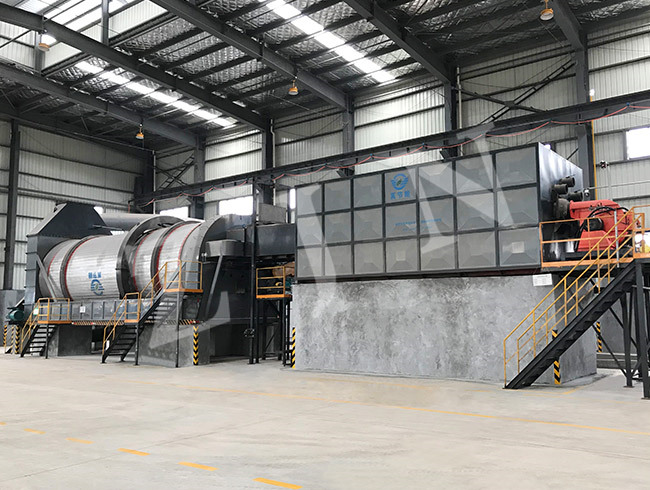
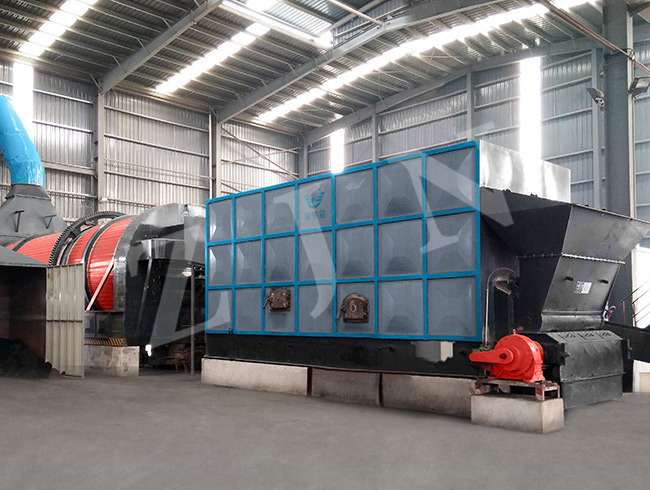
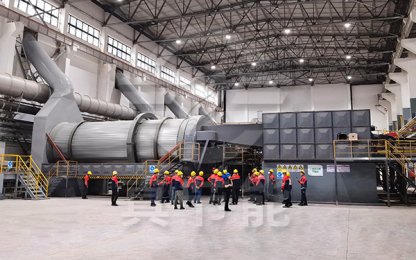
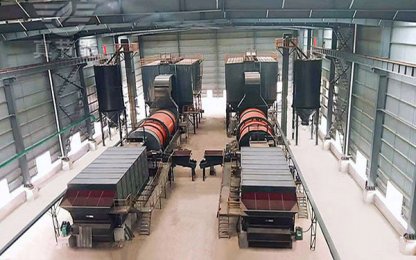
Industrial sludge dryers are widely used for the treatment of various industrial waste sludge to realize solid waste reduction and resource utilization. However, long-term continuous operation may lead to reduced production efficiency and unstable output, affecting the overall production capacity. To maintain high efficiency, stable operation and continuous high output of industrial sludge dryers, standardized operation and scientific management are essential. The key methods for efficient operation are summarized as follows.
1. Complete Material Preprocessing and Control Feed Moisture
Raw sludge with excessive moisture will cause high heat consumption, prolong drying time and reduce overall equipment efficiency. Before drying, mechanical dewatering pretreatment is required to control the sludge moisture within a reasonable range. Pre-dewatering effectively reduces the thermal load of the dryer, shortens drying cycles, avoids overloading and incomplete drying, and ensures stable and efficient production capacity.
2. Ensure Sufficient and Stable Heat Supply
Stable heat supply is the core guarantee for high-efficiency drying. Insufficient or fluctuating heat will lead to low drying efficiency and uneven finished product quality. Sustained and balanced hot air supply improves heat exchange efficiency, stabilizes drying results, ensures uniform discharge moisture content and improves the resource utilization value of final sludge products.
3. Make Full Use of Professional Material Lifting and Breaking Structure
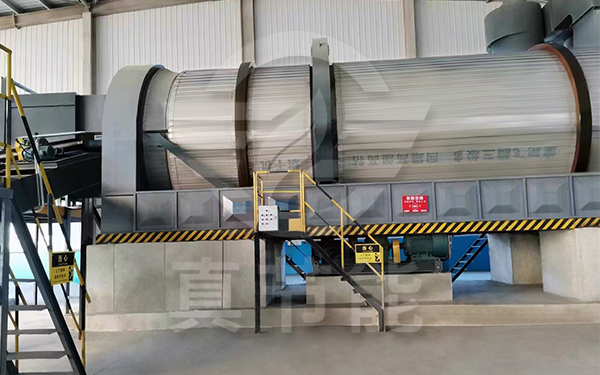
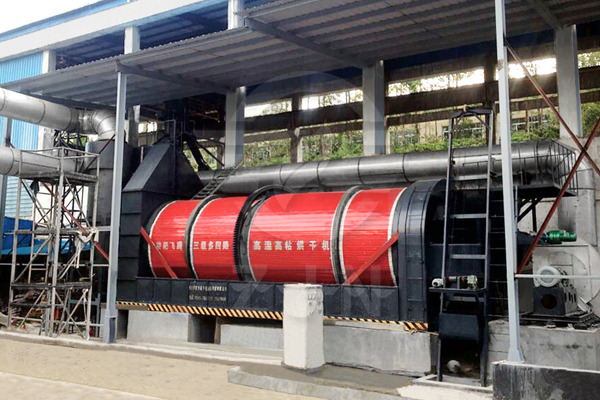
ZJN industrial sludge dryers are equipped with optimized internal material guiding, lifting and breaking devices. The system continuously stirs, breaks and disperses agglomerated high-viscosity sludge to form a uniform material curtain. It enables full contact between materials and hot airflow, greatly improves heat utilization efficiency, avoids wall adhesion and drying dead angles, and realizes high-efficiency and high-quality drying performance.
4. Implement Regular On-site Inspection and Timely Troubleshooting
During operation, operators shall conduct regular inspections on bolt tightness, lubrication status, bearing operation, transmission system, heat supply system and sealing components. Loose bolts, insufficient lubrication and worn parts shall be tightened, refilled or replaced in a timely manner. If potential faults cannot be eliminated immediately, stop the machine for thorough maintenance to avoid operational risks and ensure continuous and stable production.
5. Adopt Systematic Preventive Maintenance Plans
Efficient long-term operation relies on standardized maintenance. A complete and periodic maintenance plan shall be formulated for regular cleaning, inspection, debugging and wearing parts replacement. Preventive maintenance eliminates hidden equipment risks, reduces failure rate and downtime, maintains long-term high-efficiency operation, extends equipment service life and lowers overall operating costs.
The efficient operation of industrial sludge dryers depends on standardized material pretreatment, stable heat supply, professional structural design, daily inspection and systematic maintenance. Standardized operation and scientific management maximize equipment productivity, stabilize drying quality and help enterprises achieve cost reduction, efficiency improvement and environmentally compliant production.