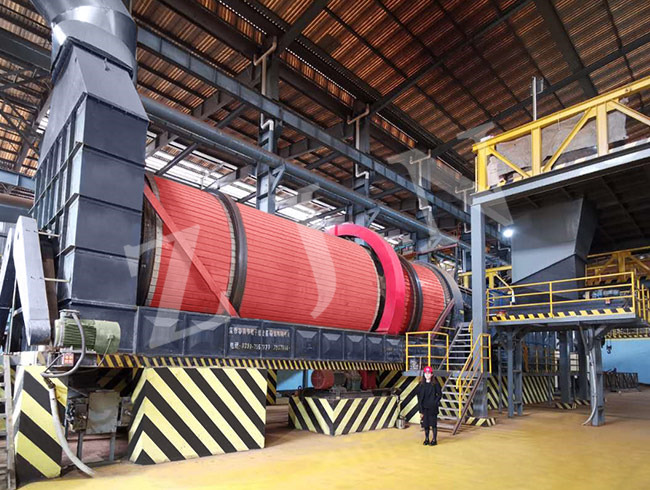
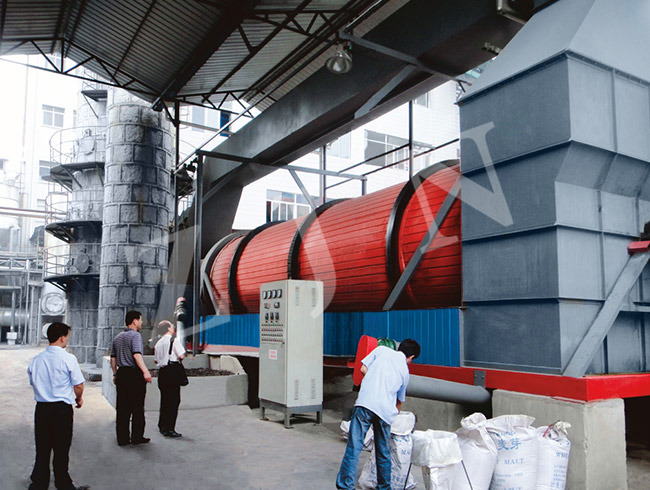
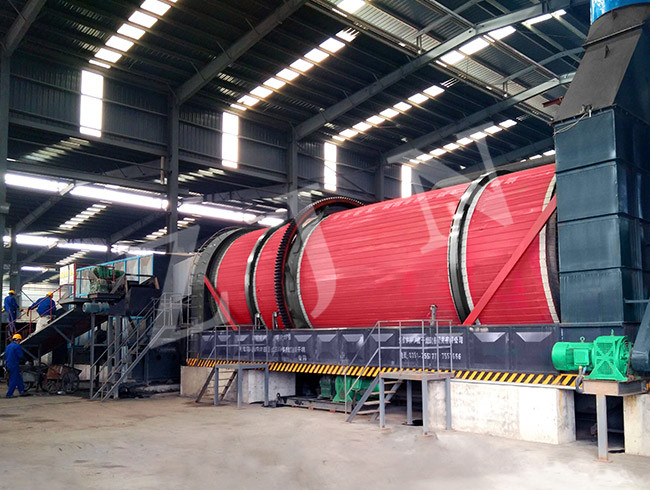
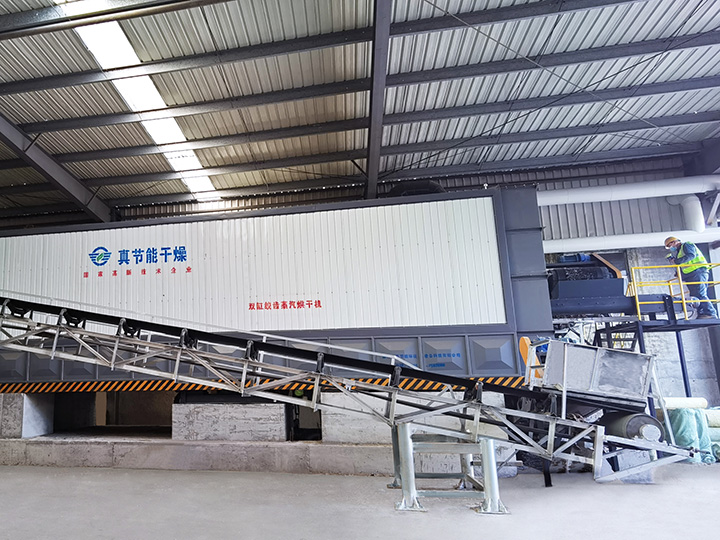
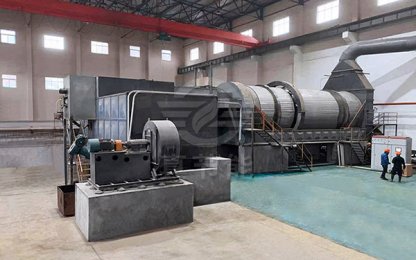
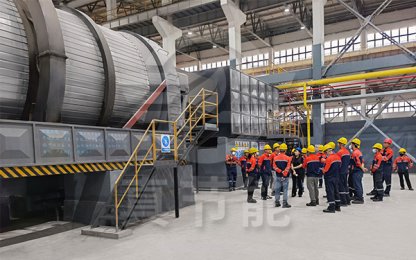
Sludge drying equipment is widely applied for dewatering and drying sludge generated from municipal and industrial processes. It should be noted that models and specifications of sludge drying equipment vary according to operating conditions and capacity requirements. Have you picked the proper sludge‑drying equipment? Below is practical knowledge for equipment selection.
1. Clarify Your Production Requirements
Define your actual production parameters including processing capacity and site area, to avoid operational problems caused by oversized or undersized equipment. Besides, evaluate sludge properties such as moisture content, viscosity and particle size, which serve as the baseline for preliminary model selection.
2. Match Processing Objectives and Capacity
The selected sludge drying equipment shall fulfill sludge dewatering & drying targets while satisfying your required throughput.
3. Prioritize High‑quality and Stable‑performance Equipment
Reliable high‑quality equipment meets production demands, supports long‑term continuous operation, lowers failure rates and reduces maintenance costs.
4. Consider Development Trend of Large‑scale Drying Units
Large‑capacity drying equipment represents a major market trend, featuring high throughput and strong adaptability. Sufficient capacity ensures stable initial startup. Nevertheless, large‑scale dryers consume more energy and bring higher operating costs. Therefore, they are more suitable for investors and end‑users with solid financial strength.
Select sludge drying equipment based on your real‑world production demands and take manufacturers’ professional advice into consideration.
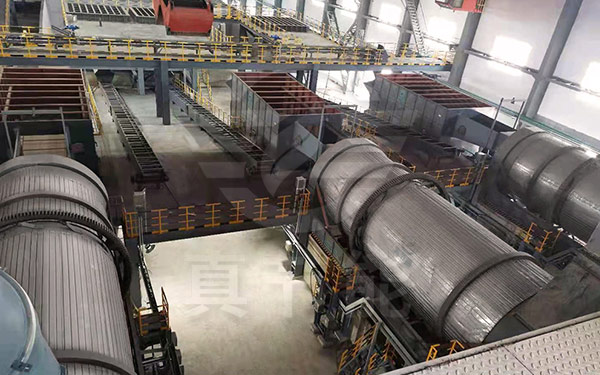
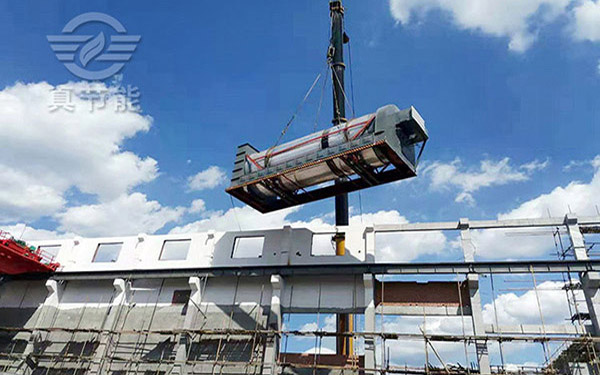
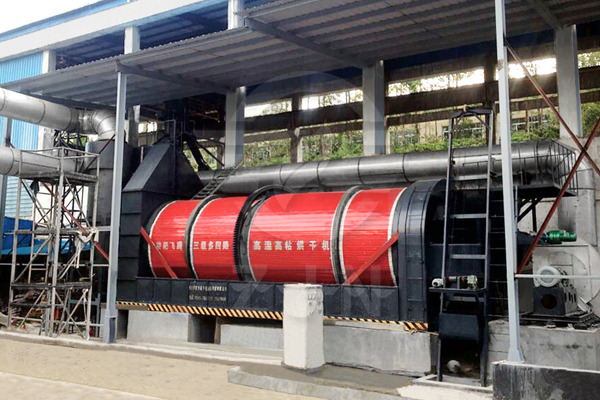
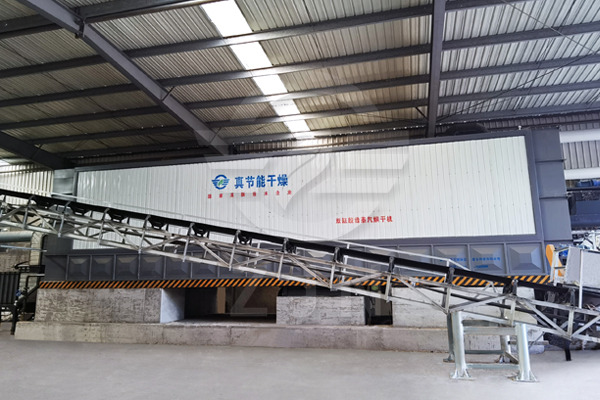
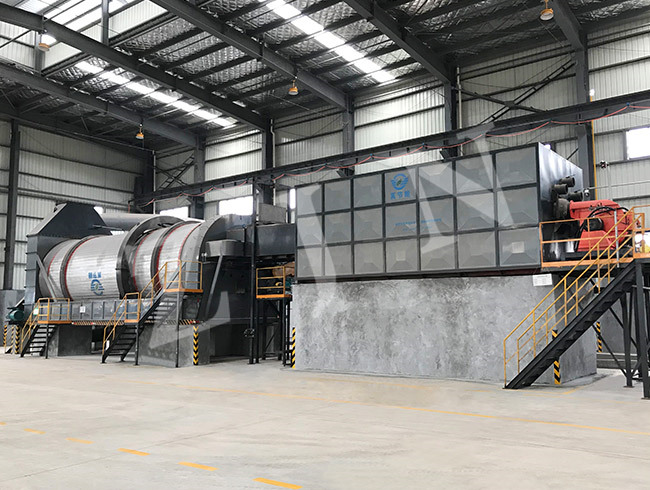
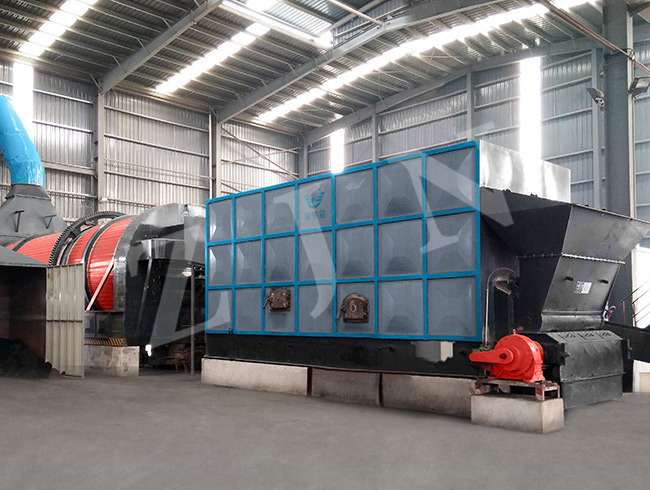
We recommend the sludge drying system from **ZJN Drying System Co., Ltd. It adopts the rotary‑rake turbulent triple‑pass multi‑loop drying technology.The system can handle large volumes of diverse sludge materials, and delivers outstanding drying performance especially for high‑moisture and high‑viscosity sludge.