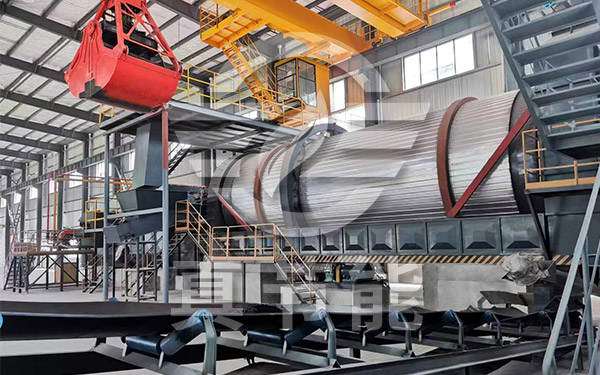
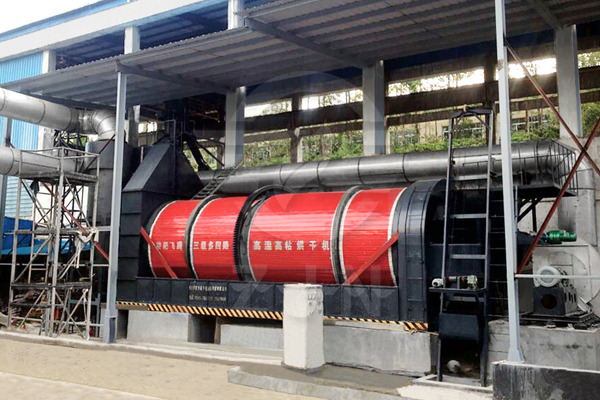
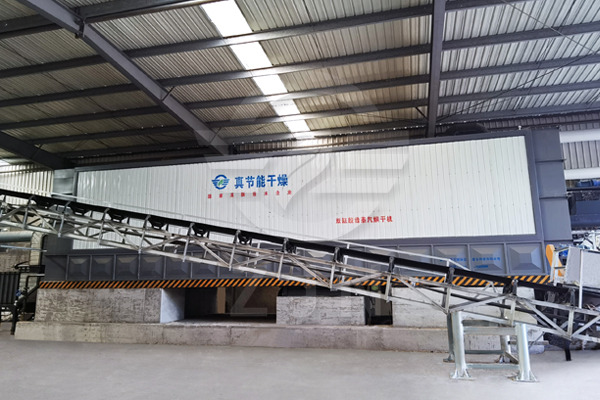
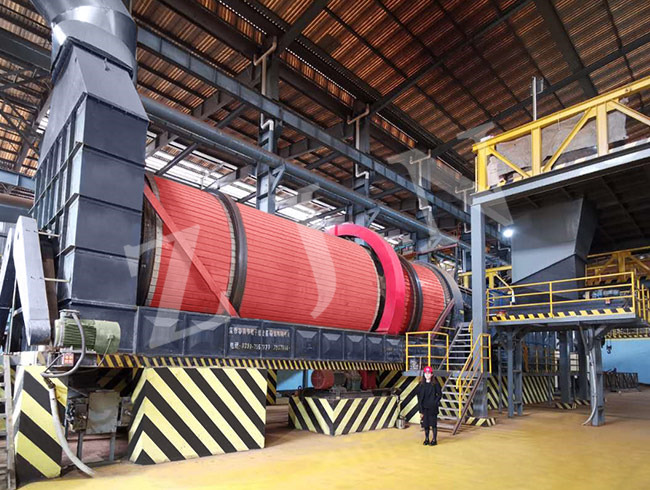
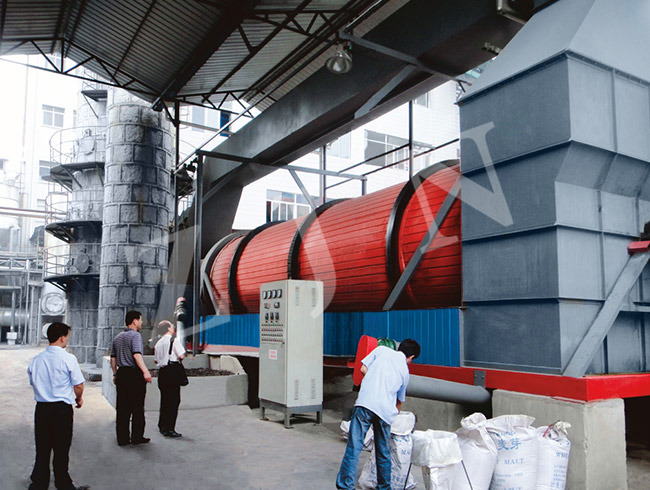
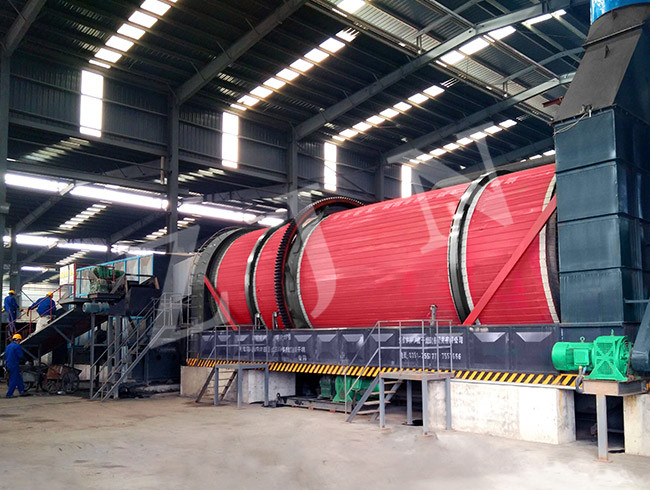
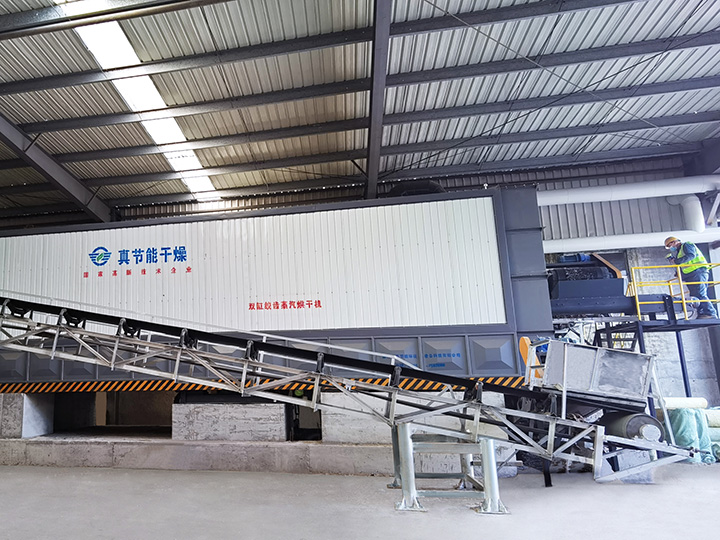
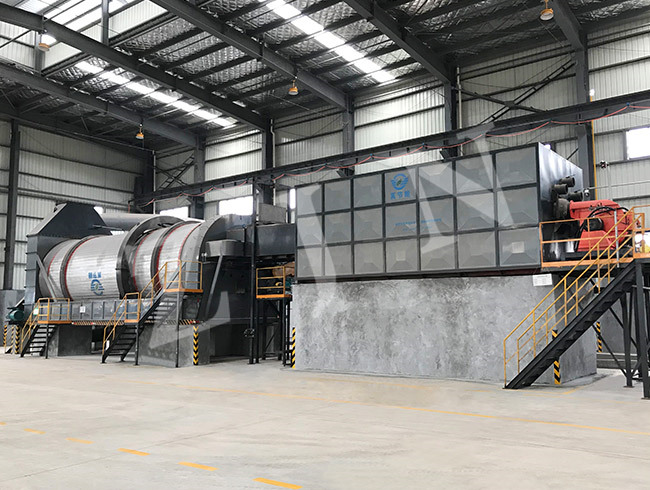
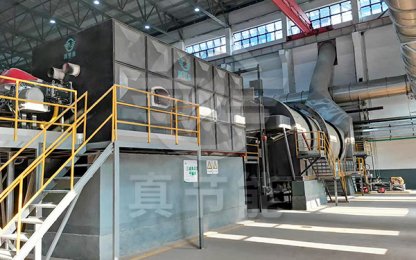
With the accelerated urbanization process, the annual output of municipal sludge continues to rise. Characterized by high moisture content, strong viscosity, unpleasant odor and easy putrefaction, municipal sludge requires professional and efficient disposal solutions. Municipal sludge dryers are core equipment in sludge dewatering and drying production lines, capable of rapidly drying dozens to hundreds of tons of high-moisture and high-viscosity sludge per day. After professional drying treatment, the finished sludge features low moisture content and increased calorific value, and can be reused in building material processing, land utilization, power generation and other fields, greatly improving comprehensive economic benefits for enterprises.
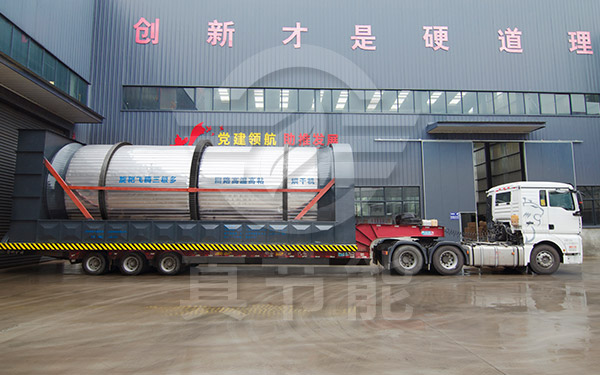
Heat source selection is one of the most critical concerns for users when operating municipal sludge dryers. Different dryer models and manufacturers support different heat source types. This article provides a professional guide for reasonable heat source selection for municipal sludge drying systems.
Common Heat Source Types for Municipal Sludge Dryers
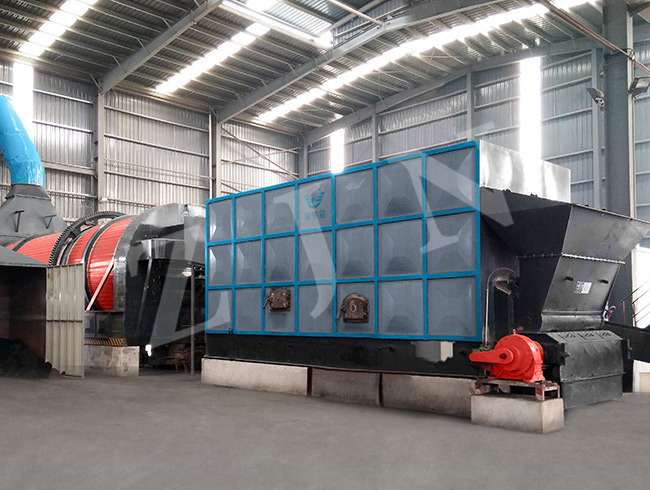
According to different fuel forms, mainstream heat sources for municipal sludge dryers are classified into three categories. First, solid fuels including coal and biomass pellets. Second, liquid fuels such as kerosene and diesel. Third, gaseous fuels represented by natural gas. In addition, enterprises with waste heat resources can fully utilize waste flue gas and waste steam for heating to realize waste heat recovery and secondary utilization.
Electric heating is also an optional heating method, yet it is not recommended for conventional production. Electric heating features low thermal conversion efficiency and high long-term operating costs. It is only applicable for small-scale drying equipment or areas with extremely low electricity prices, and rarely adopted in large industrial drying production lines.
Core Principles of Heat Source Selection
Heat source selection requires comprehensive multi-dimensional evaluation. Primarily, the selected heat source must meet technical drying standards and local environmental protection emission requirements. Secondly, fully consider the procurement cost, transportation cost and accessibility of the heat source to avoid excessive long-term operating costs that reduce project profits. A reasonable heat source scheme ensures stable drying performance and sustainable economic benefits.
Recommended Heat Source Solutions
1. Natural Gas & Biomass Heating
For regions with strict environmental protection policies, natural gas and biomass pellets are the optimal choices. Both heating methods effectively control dust and exhaust gas emissions, fully complying with environmental standards. Meanwhile, they have lower operating costs compared with electric heating, helping enterprises control investment expenses. These two eco-friendly and cost-effective solutions are widely adopted by most current customers.
2. Waste Steam Heating
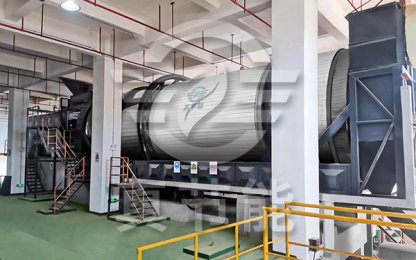
Waste steam heating is an energy-saving and economical solution for industrial production. The dual-cylinder toothed municipal sludge dryer adopts advanced indirect heating technology. The heat medium does not make direct contact with wet sludge; instead, heat is transferred through the pipe wall to evaporate internal moisture from sludge materials. This technology realizes waste heat recycling and turns waste resources into usable energy, greatly reducing overall equipment operating costs. Meanwhile, it simplifies waste gas treatment procedures with low environmental treatment pressure.
ZJN Drying System Co., Ltd. provides customized heat source matching solutions for municipal sludge dryers. We select the most suitable heating mode according to customers’ on-site conditions, environmental requirements and budget, ensuring high-efficiency, energy-saving and low-cost sludge drying operation.