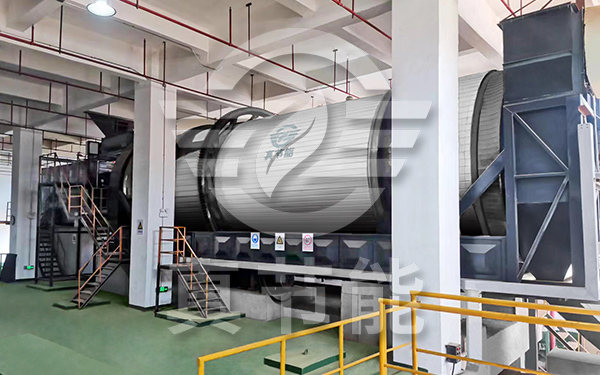
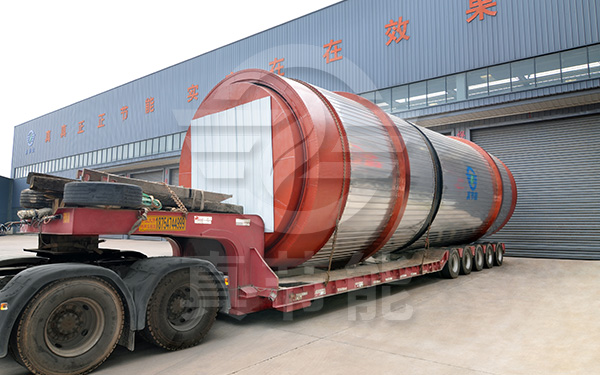
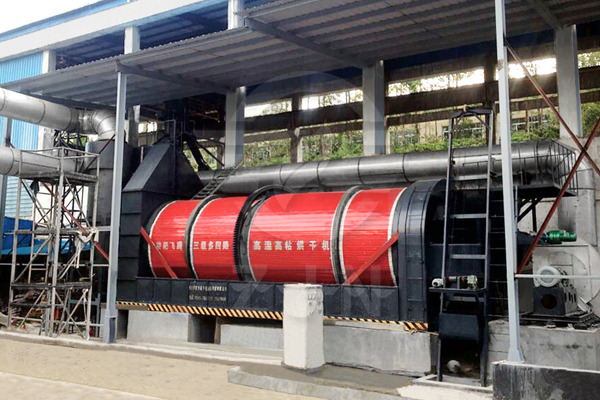
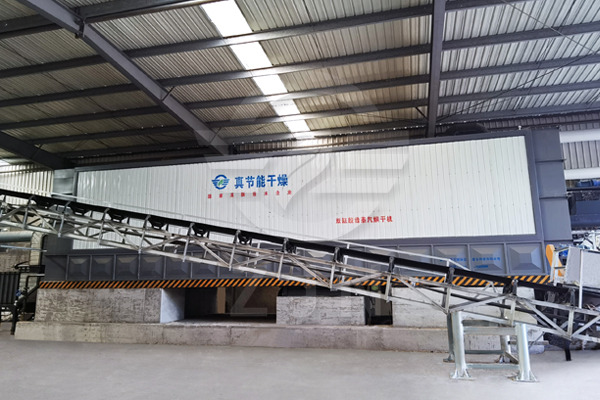
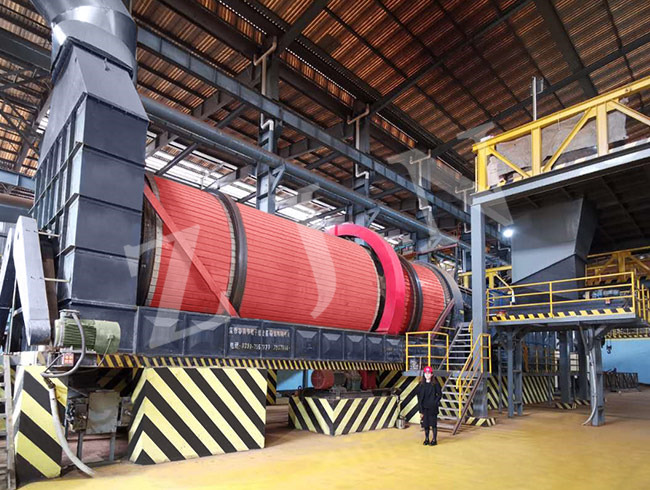
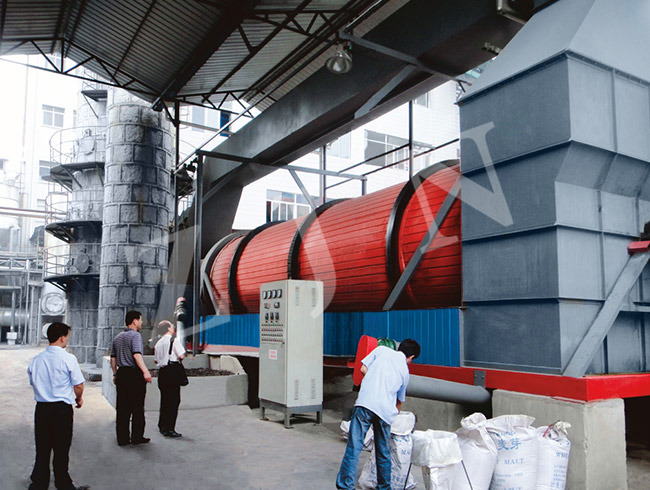
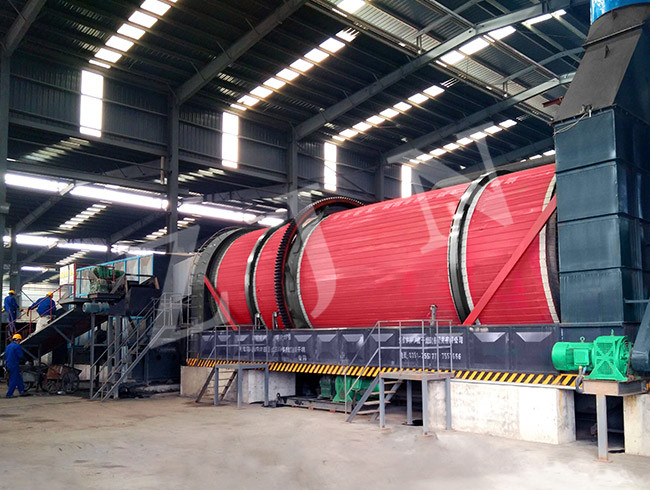
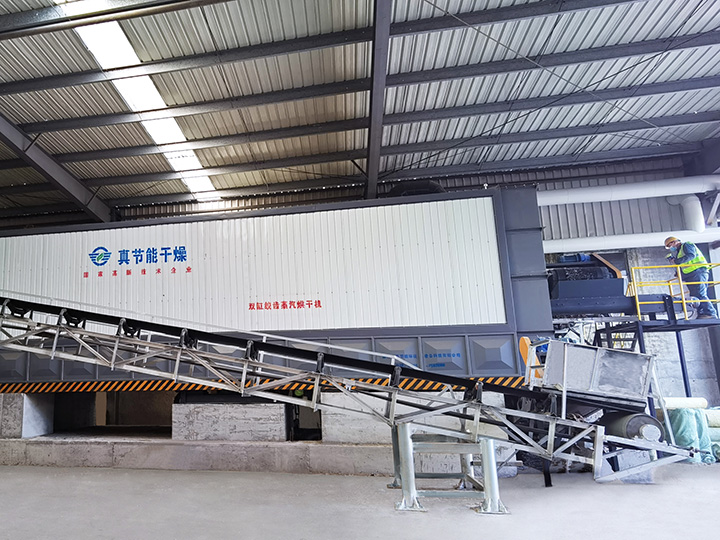
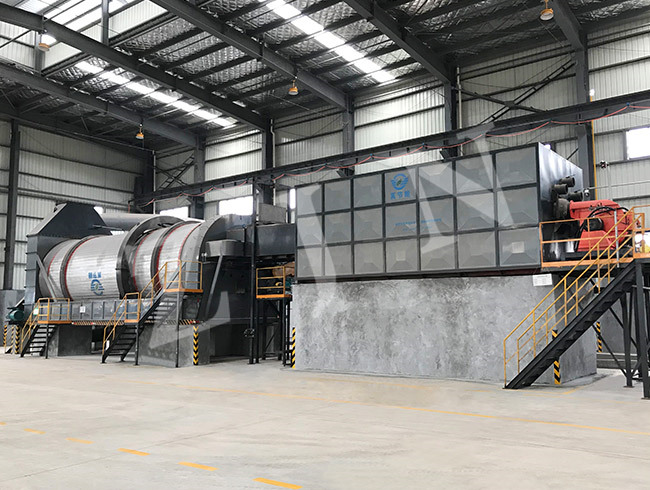
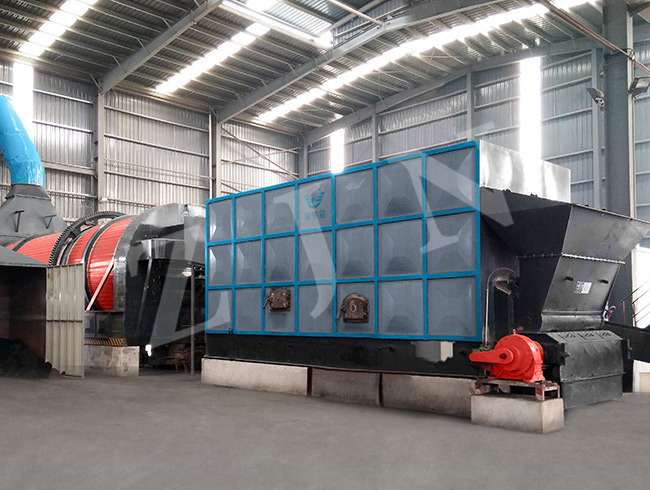
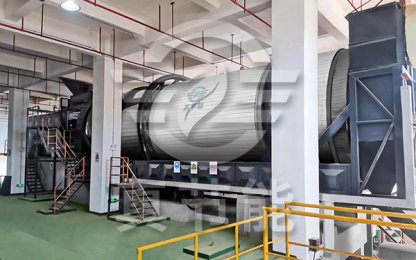
The quality of dried sludge directly determines its subsequent utilization value and economic benefits. Therefore, users must operate sludge drying equipment in strict accordance with the manufacturer’s operating guidelines. Standardized operation ensures both high production efficiency and stable finished sludge quality. In addition to operational specifications, multiple key factors influence the overall drying effect, which are analyzed in detail below.
1. Initial Sludge Moisture Content
The original moisture content of sludge greatly affects equipment operating efficiency and final drying quality. Sludge with excessively high moisture requires more heat consumption and longer retention time inside the dryer, which reduces drying speed. Since the heating capacity of calibrated drying equipment is fixed, ultra-high incoming moisture will result in failure to reach the target final moisture content. It is recommended to adopt pre-dewatering equipment to control the sludge moisture within a reasonable range, so as to guarantee consistent drying quality.
2. Heat Source Stability
The heat source is the core link of the entire sludge drying process. Stable and high-efficiency combustion of the hot blast stove and continuous and uniform heat supply ensure stable drying procedures and qualified finished sludge quality. Fluctuating heat output will lead to uneven drying and unstable product indicators.
3. Drying Temperature and Air Volume
Sludge drying is realized through heat and mass transfer between hot air and wet sludge. Drying temperature and air volume are key adjustable parameters. Properly increased temperature and air volume accelerate moisture evaporation, effectively improving drying efficiency and ensuring uniform and stable drying results.
4. Contact Efficiency Between Hot Air and Sludge
Professional sludge dryers are equipped with built-in material breaking and lifting systems. These devices continuously break, disperse and flip sludge materials, maximizing the contact area between sludge and hot airflow. This greatly improves thermal energy utilization, accelerates drying speed, and further guarantees uniform drying quality of finished products.
5. Water Vapor Exhaust Effect
A large amount of water vapor is generated during sludge drying. If the water vapor cannot be discharged in a timely manner, it will be reabsorbed by the sludge, resulting in increased moisture and poor drying quality. Timely and smooth exhaust of internal water vapor is essential to maintain stable drying performance.
Summary
Sludge drying quality is affected by moisture content, heat source condition, temperature and air volume, material-air contact efficiency, and vapor exhaust performance. Scientific parameter matching and standardized operation are the keys to high-quality sludge drying results.
ZJN Drying System Co., Ltd. provides professional technical guidance, parameter debugging and full-process after-sales support. We help customers achieve stable, high-efficiency and high-quality sludge drying production.