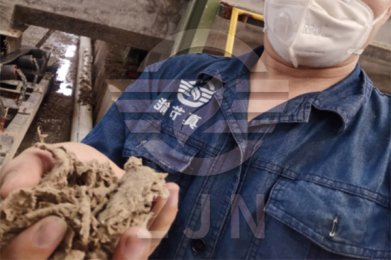
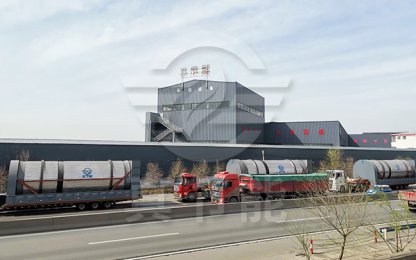
Rotary‑type pulp drying equipment is a highly‑popular drying machinery. A single unit can achieve a daily processing capacity of over one hundred tons, rapidly completing dewatering and drying for high‑moisture pulp. It features uniform drying and excellent finished‑product quality, bringing considerable economic benefits to end‑users. However, many buyers lack clear understanding of its system structure and working principle. This article gives a detailed introduction to the system composition of rotary pulp dryers.
System Composition of Rotary Pulp Drying Equipment
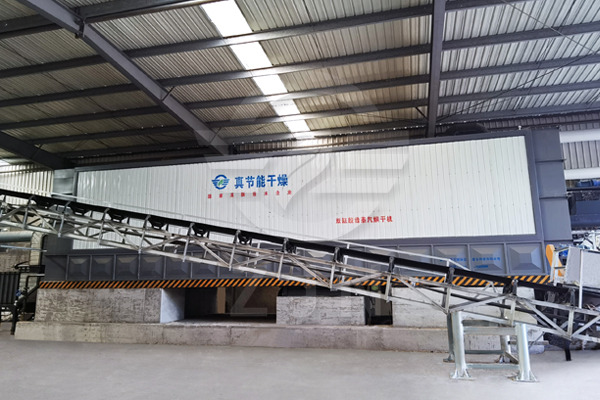
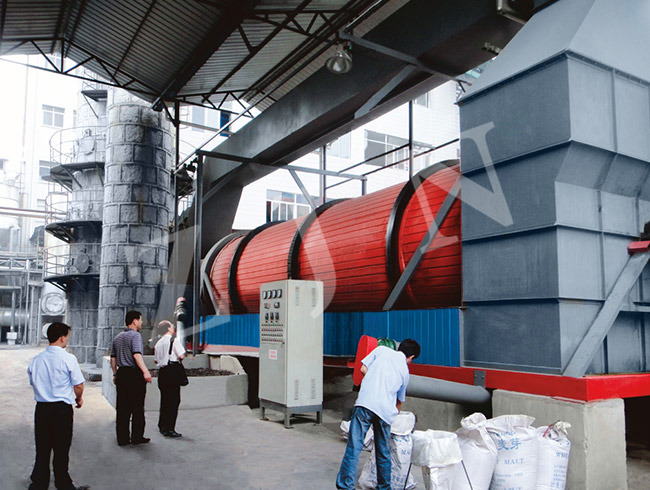
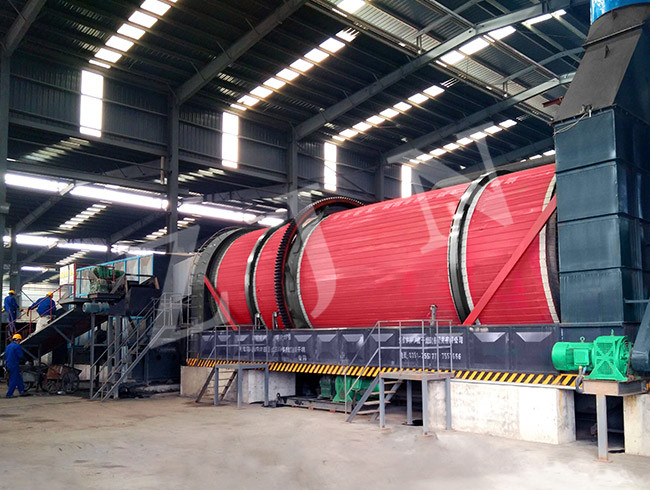
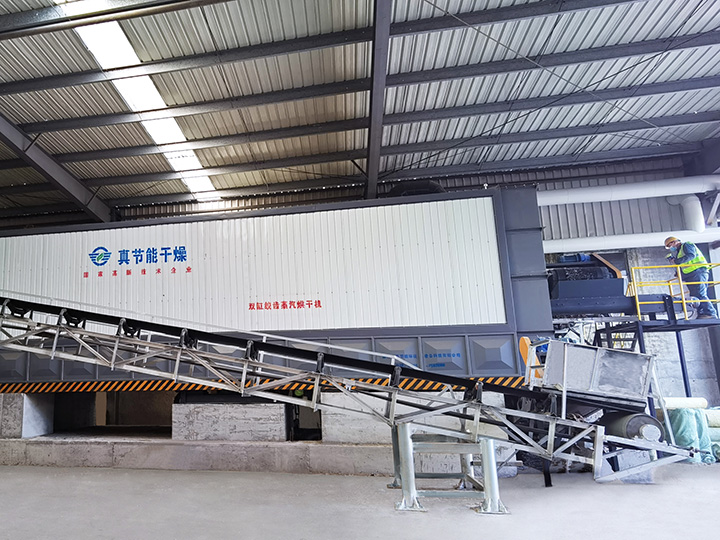
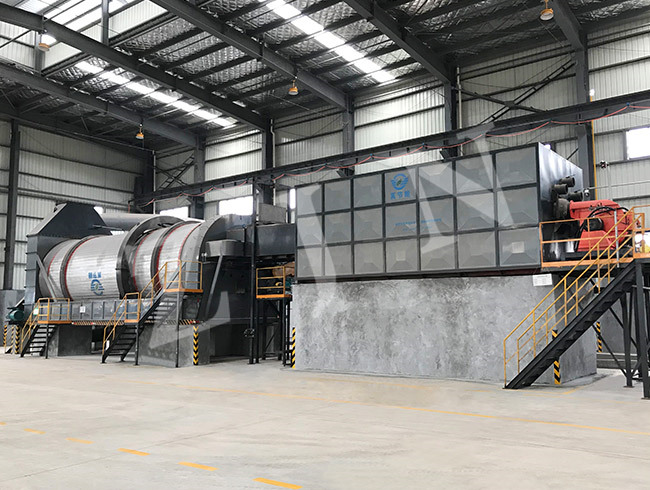
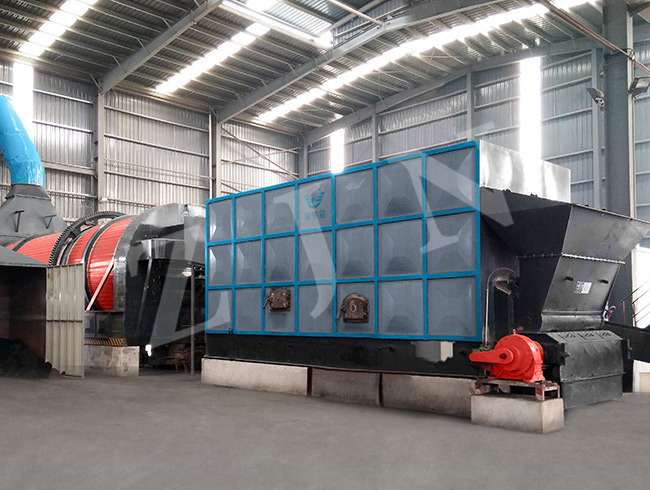
The complete rotary pulp drying production line consists of conveying unit, feeding unit, heat source equipment, main drying cylinder, dust‑removal device, discharging unit and control system. As the core unit where heat‑mass transfer takes place between wet pulp and hot air to realize material dewatering, the main dryer directly determines overall drying performance, making proper equipment selection critical.
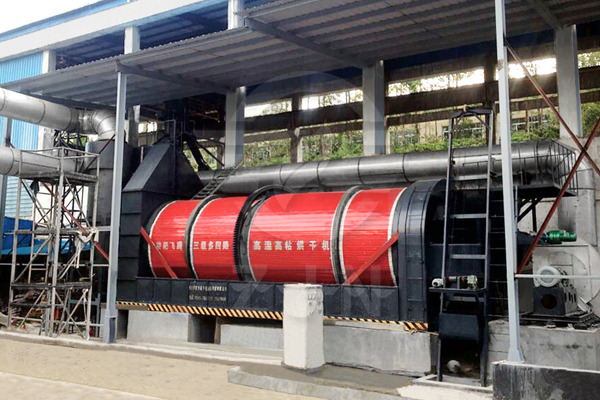
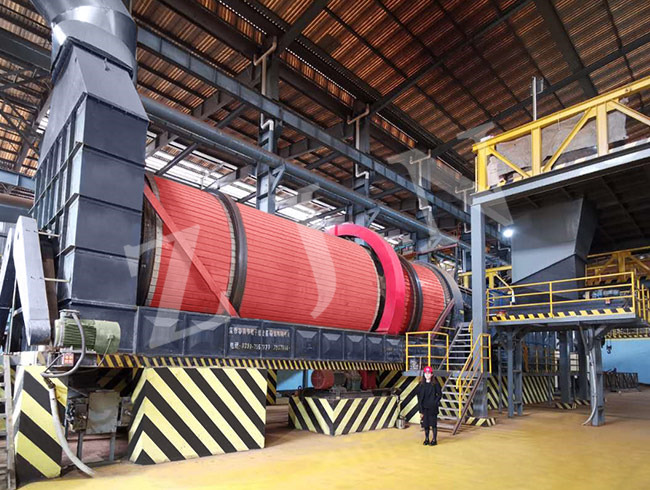
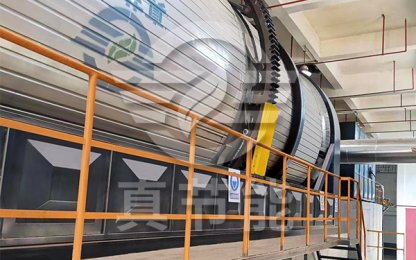
Compared with conventional single‑cylinder pulp dryers, the Rotary‑Rake Three‑Pass Multi‑Loop pulp dryer adopts a three‑pass nested cylinder structure composed of three cylinders with different diameters. Two natural heat‑insulating layers are formed inside, greatly lowering external heat dissipation, reducing thermal energy loss, extending material drying travel and improving overall working efficiency.
Working Principle of Rotary Pulp Drying Equipment
The Rotary‑Rake Three‑Pass Multi‑Loop pulp dryer supports non‑standard customization to match customer‑specific requirements on throughput, performance and configuration. It integrates co‑current, counter‑current and reciprocating drying technologies. Wet feed and hot air enter the cylinder from the same side; hot air is reasonably distributed into individual drying chambers via thermal distribution devices.
In the first‑stage drying zone, materials travel along with hot co‑current airflow. Material‑breaking devices disintegrate wet pulp into fine particles. Specially‑designed lifting flights continuously toss and shower materials, enabling sufficient contact between wet pulp and hot air for fast moisture evaporation.
In the second‑stage drying zone, pulp moves against hot airflow. Increased flow turbulence further evaporates internal moisture from wet materials.
In the third‑stage drying zone, incompletely‑dried materials travel in a reciprocating “three‑steps‑forward, two‑steps‑backward” pattern for further drying. Once fully dried, finished pulp slides rapidly toward the discharging outlet and exits the cylinder.
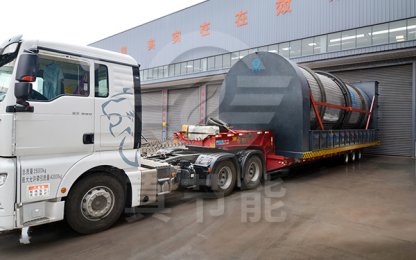
ZJN Drying System Co., Ltd. specializes in R&D, manufacturing and sales of drying equipment for high‑moisture high‑viscosity sludge, feed residues and pulp materials. We deliver tailor‑made drying solutions with abundant real‑world project cases to satisfy diverse customer requirements.