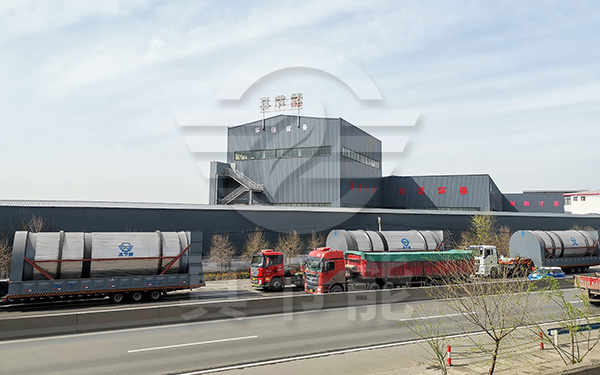
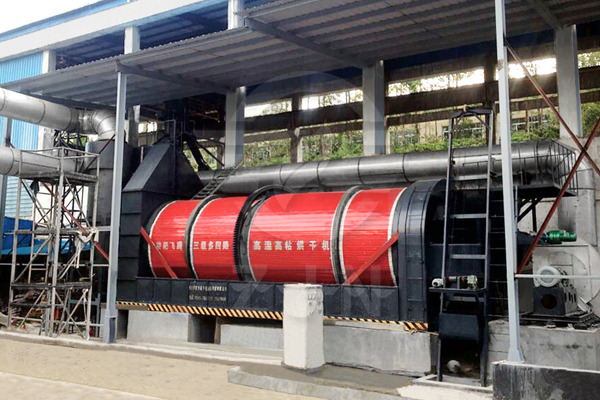
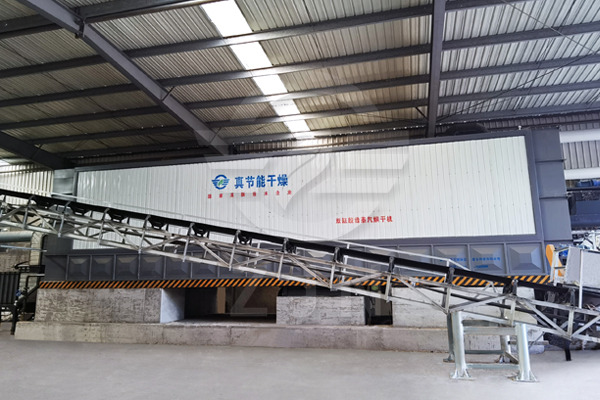
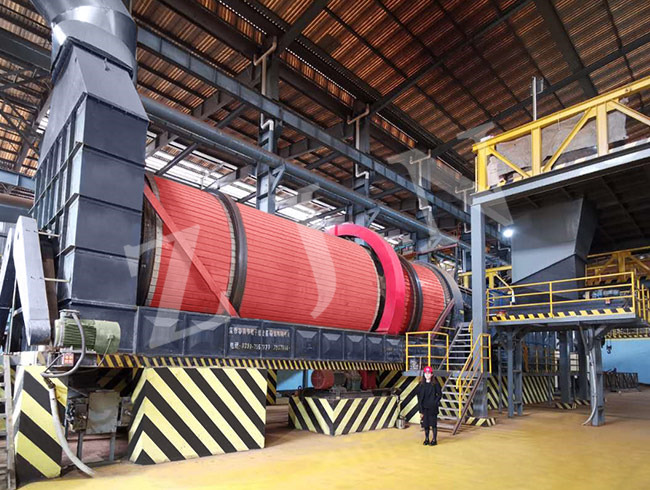
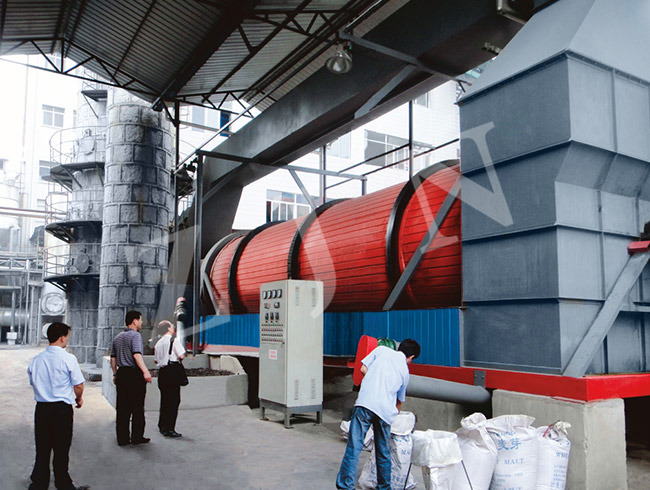
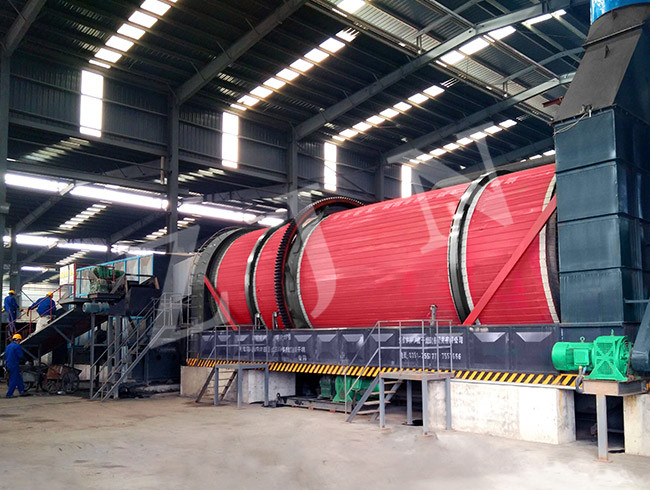
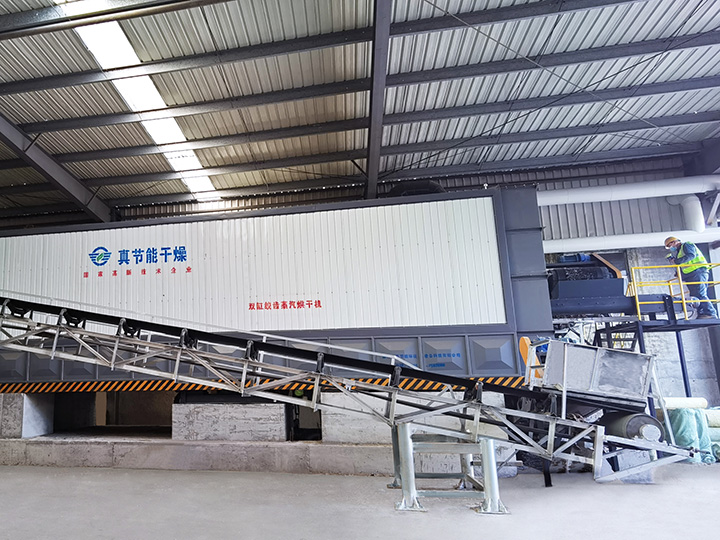
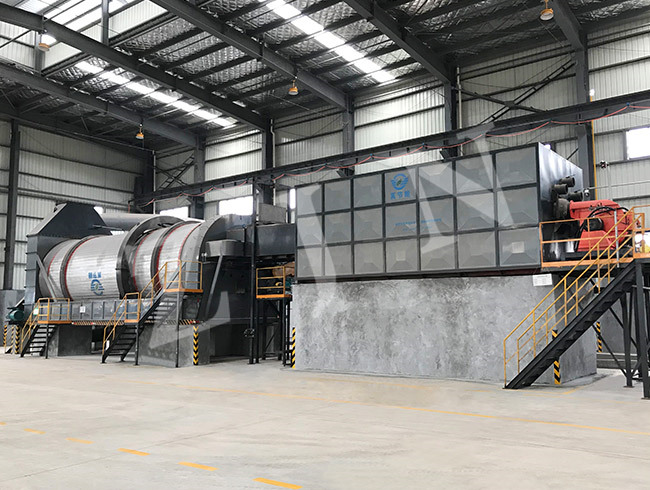
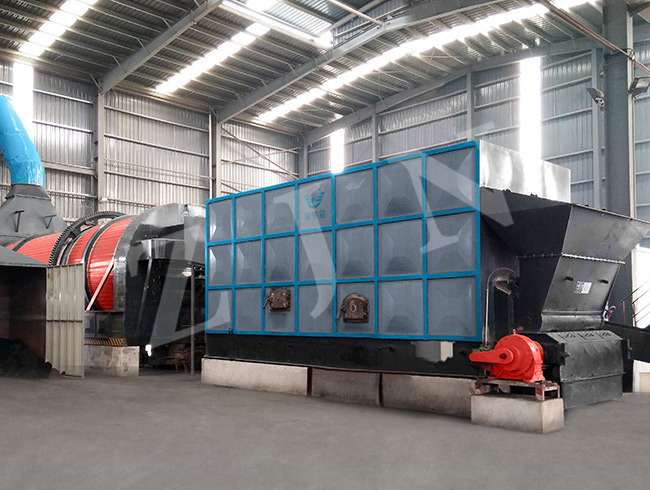
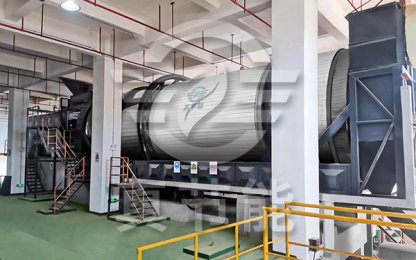
New‑generation sludge drying equipment is key machinery dedicated to sludge dewatering and drying. It serves a wide range of industries including electroplating, textile, printing‑dyeing, iron‑steel smelting, pharmaceutical manufacturing, wastewater treatment and municipal sectors. Favored by numerous customers for high working efficiency, long service life, stable performance, continuous operation, large throughput, low energy consumption and superior drying results, it has become a popular choice for sludge treatment projects. Drying quality is one of the major concerns for buyers. This article explains how new‑generation sludge dryers deliver consistent drying performance.
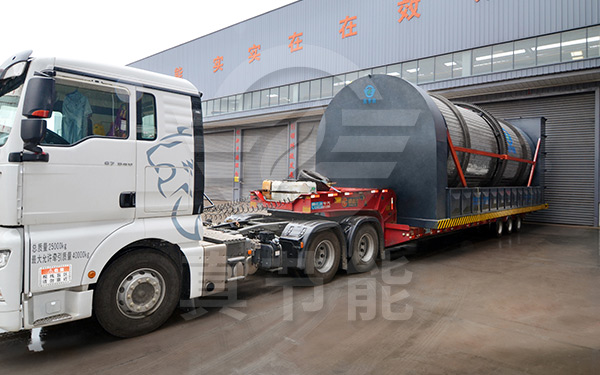
Apart from equipment build quality and performance, final drying quality is also affected by initial moisture content, material properties, operating practices and maintenance status. To begin with, purchasers should select manufacturers with proven technology, solid comprehensive strength and reliable after‑sales service. Such suppliers apply strict standards in equipment design, fabrication and component selection to secure stable equipment performance. Besides equipment selection, the following aspects are critical to guarantee drying quality.
1. Pre‑treatment Before Drying
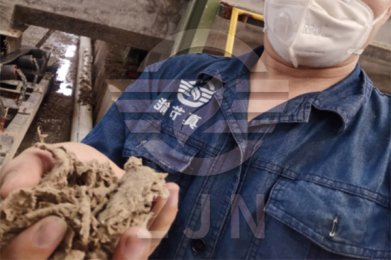
High‑moisture and high‑viscosity sludge with excessive initial moisture tends to cause blockage and material sticking inside the dryer. It also extends drying duration, increases heat consumption, impairs finished‑product quality and may even damage equipment. Therefore, high‑moisture sludge shall go through pre‑dewatering to remove partial water before feeding into the dryer, achieving higher overall processing efficiency.
2. Cylinder Temperature Control
New‑generation sludge dryers operate based on high‑temperature thermal drying principles, making cylinder temperature regulation extremely important. Insufficient temperature leaves sludge under‑dried and fails to meet target moisture requirements. Excessively high temperature leads to burnt material and over‑drying. Operators shall keep cylinder temperature within the appropriate working range during production.
3. Feeding Process Control
Feed material at a steady and moderate rate. Uneven feeding — either over‑feeding or insufficient feeding — will exceed rated working load and result in inconsistent sludge drying quality.
4. Timely Cleaning and Routine Maintenance
After a period of operation, perform cleaning and maintenance according to actual working conditions. Key measures include timely lubrication, prompt replacement of worn parts, regular inspection and complete maintenance records.
ZJN Drying System Co., Ltd. supplies well‑engineered new‑generation sludge drying equipment together with technical guidance for pre‑treatment, parameter setting and daily maintenance to help customers obtain stable high‑quality dried‑sludge output.