Traditional sludge disposal mainly relies on landfill or incineration after mechanical concentration and dewatering. Dewatered sludge produces unpleasant odors and carries risks of secondary pollution, making simple landfill disposal an inappropriate solution. The emergence of low-temperature sludge drying equipment effectively meets the requirements of sludge reduction, stabilization, harmless treatment and resource utilization. The equipment rapidly evaporates moisture from high-moisture and high-viscosity wet sludge. The dried sludge features low moisture content, reduced volume and eliminated odor, which can be fully reused as resources. This article summarizes practical methods to improve the working efficiency of low-temperature sludge drying equipment.
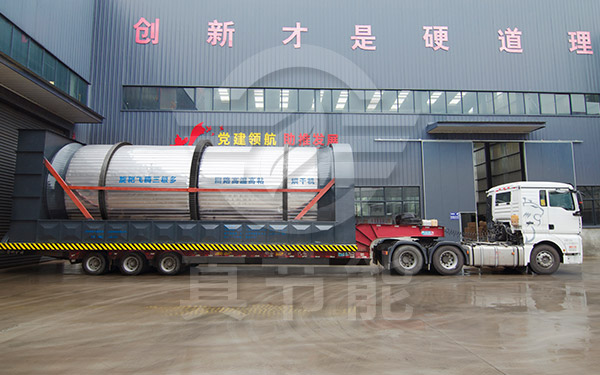
The drying efficiency of the equipment directly determines production capacity, energy consumption cost and overall project benefit. The efficient operation of low-temperature sludge dryers depends on multi-dimensional optimization including structural upgrading, drying process improvement and standardized operation. Based on decades of R&D and practical project experience, ZJN concludes the core optimization methods as follows.
1. Optimize Equipment Structure to Enhance Heat Exchange Efficiency
Traditional low-temperature dryers adopt a single-cylinder structure with simple internal design and insufficient material turnover. High-viscosity sludge is prone to agglomeration and wall adhesion, resulting in inadequate contact between hot air and materials, low heat utilization rate and uneven drying, which greatly restricts production efficiency.
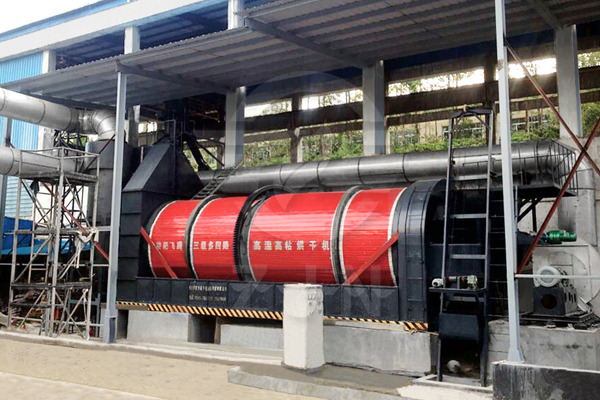
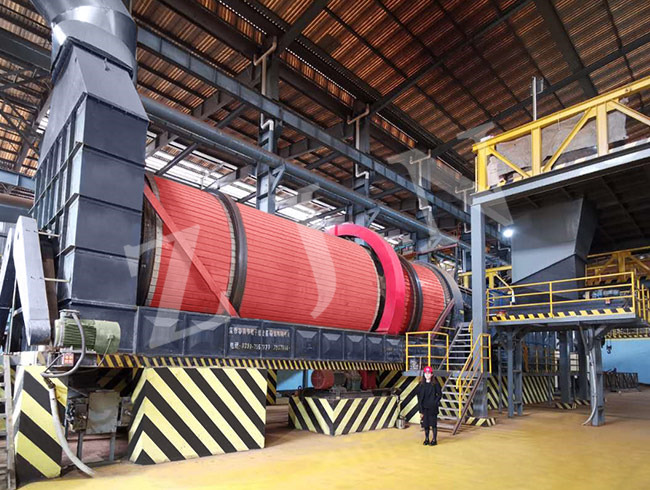
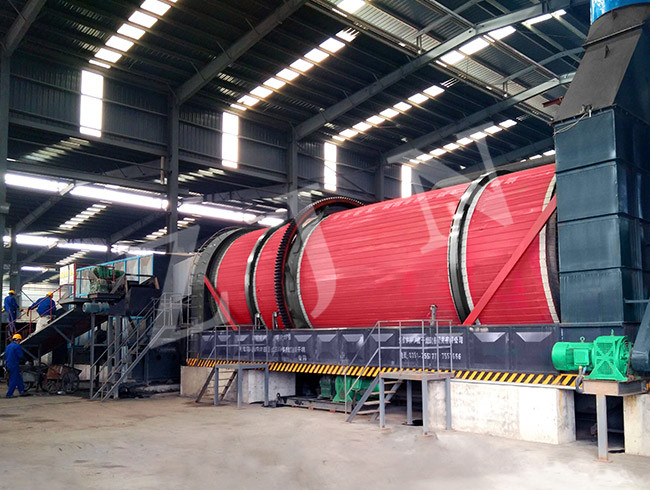
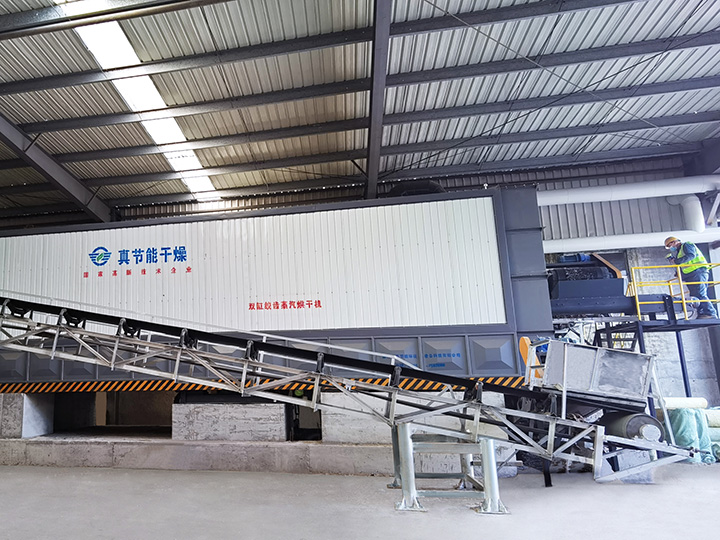
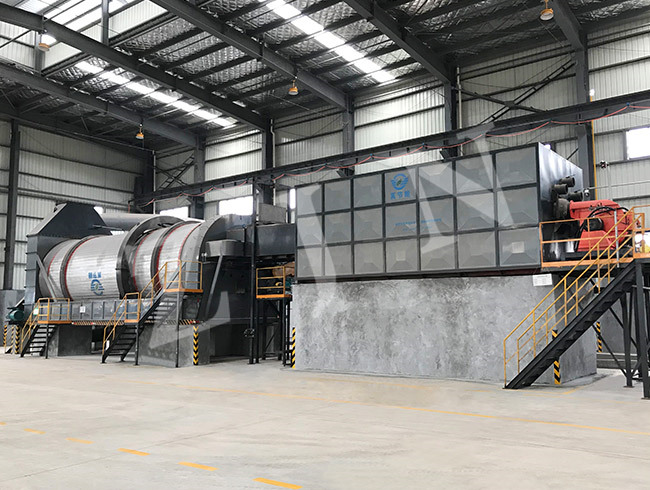
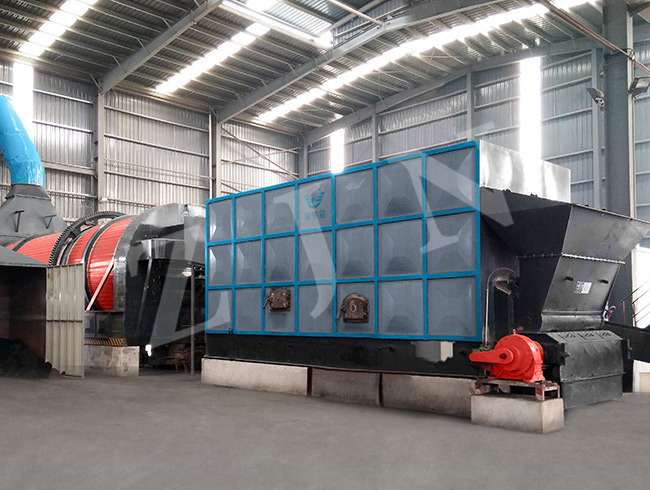
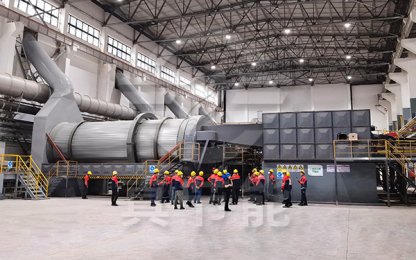
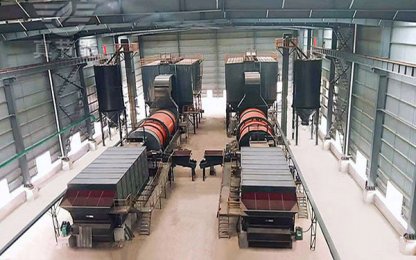
ZJN Rotary-Rake Three-Pass Multi-Loop Low-Temperature Dryer features an innovative nested multi-loop cylinder structure and upgraded internal configuration. Equipped with special rotary rake crushing devices and combined material lifting systems, the equipment continuously breaks up and scatters agglomerated sticky sludge into fine particles. This design completely solves wall-sticking and material caking problems, greatly expands the contact area between sludge and hot air, realizes uniform heat penetration and sufficient heat exchange, and fundamentally improves thermal efficiency and drying capacity.
2. Extend Drying Stroke to Improve Space Utilization
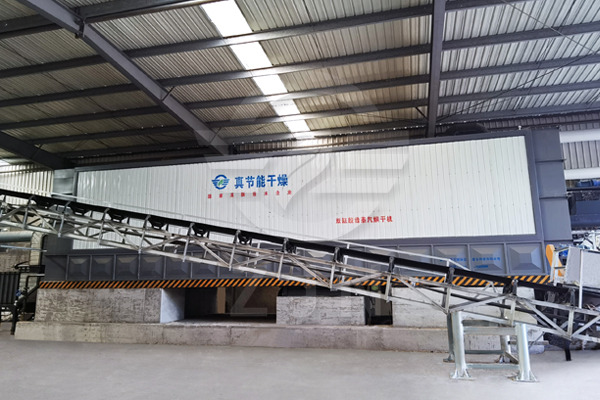
Insufficient drying stroke and short material retention time are the main causes of incomplete drying and low efficiency of conventional dryers. ZJN low-temperature sludge drying equipment adopts a reciprocating alternating drying process, breaking the traditional one-way feeding mode. Materials move back and forth inside the cylinder, forming a scientific drying logic: dry materials move fast while wet materials move slowly.
This process effectively extends the effective drying stroke and maximizes the utilization of internal cylinder space and heat energy. High-moisture sludge obtains sufficient time for gradient moisture evaporation, avoiding incomplete drying and material rewetting caused by fast feeding speed. Without increasing floor space, the equipment greatly improves drying uniformity and overall production capacity, supporting large-scale and continuous sludge drying operations.
3. Optimize Ventilation and Dehumidification System to Prevent Rewetting
A large amount of water vapor is generated during sludge drying. If water vapor cannot be discharged in time and stays inside the cylinder for a long time, it will be reabsorbed by dried sludge, causing material rewetting, uneven drying and repeated drying cycles. This not only reduces production efficiency but also increases energy consumption.
To solve this problem, ZJN low-temperature dryers are equipped with a segmented independent ventilation and dehumidification system. Exclusive exhaust channels are installed at the end of each drying stage. The humid and hot waste gas generated by moisture evaporation is discharged immediately, effectively preventing vapor accumulation and secondary moisture absorption. It maintains a stable internal drying environment, thoroughly eliminates material rewetting and unstable moisture content, and ensures long-term efficient and stable equipment operation.
4. Standardize Pre-Treatment and Daily Maintenance for Stable and Efficient Operation
In addition to structural and process optimization, front-end material pre-treatment and daily maintenance are essential to guarantee long-term and efficient operation. Pre-dewatering treatment before drying adjusts the feed moisture content to the optimal range of the equipment, reducing drying load and shortening the drying cycle. Regular cleaning of residual sludge, systematic inspection of ventilation and heat exchange components, and standardized daily maintenance can effectively prevent equipment blockage and heat efficiency decline, stabilize working efficiency and prolong equipment service life.
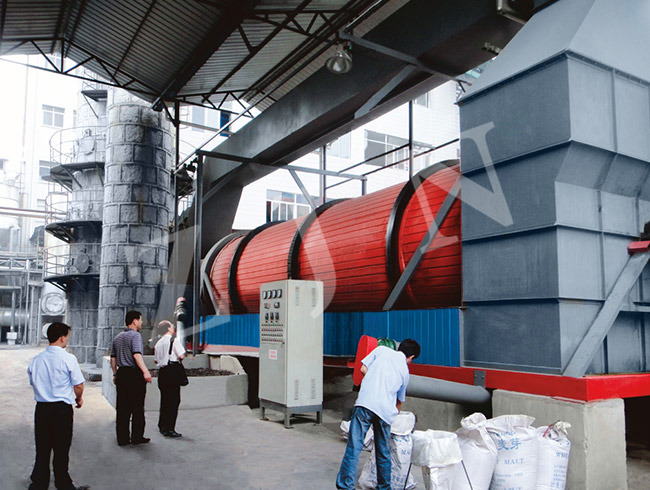
The keys to improving the efficiency of low-temperature sludge drying equipment are structural optimization for higher heat exchange, process upgrading for longer drying strokes, ventilation optimization to avoid rewetting, and standardized maintenance for stable production. With over 30 years of experience in the drying industry, ZJN independently developed the three-pass multi-loop low-temperature dryer. With comprehensive upgrades in structure, technology and system, the equipment adapts to various municipal and industrial high-moisture and high-viscosity sludge, featuring anti-blocking performance, high efficiency, low energy consumption, stable operation and controllable finished product quality.
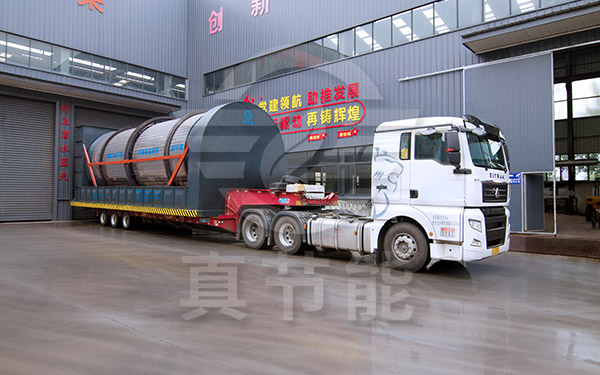
As a professional original-source manufacturer of sludge drying equipment, ZJN provides customized drying solutions according to sludge characteristics, processing capacity and site conditions. We offer one-stop services including installation, commissioning, technical guidance and after-sales maintenance, helping enterprises reduce costs, increase efficiency and achieve environmentally compliant production.