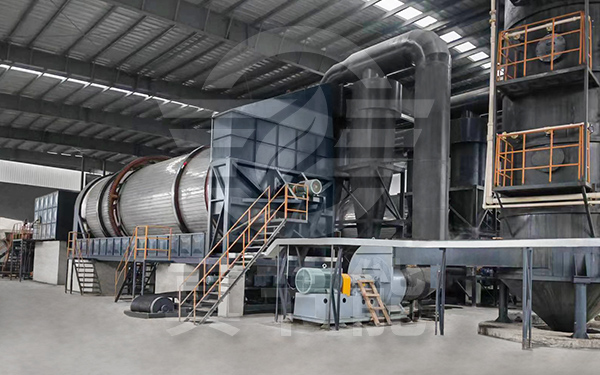
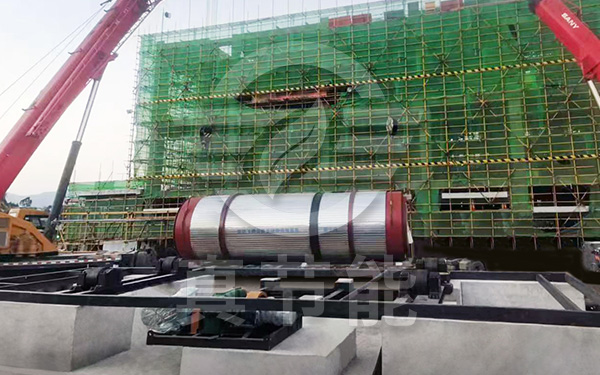
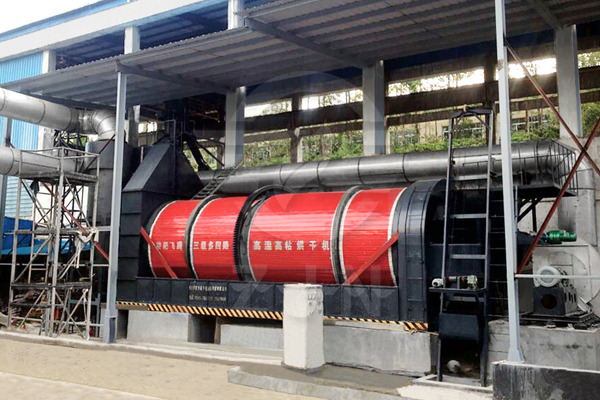
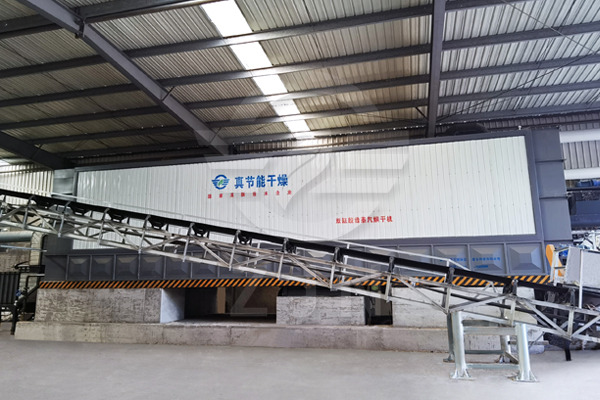
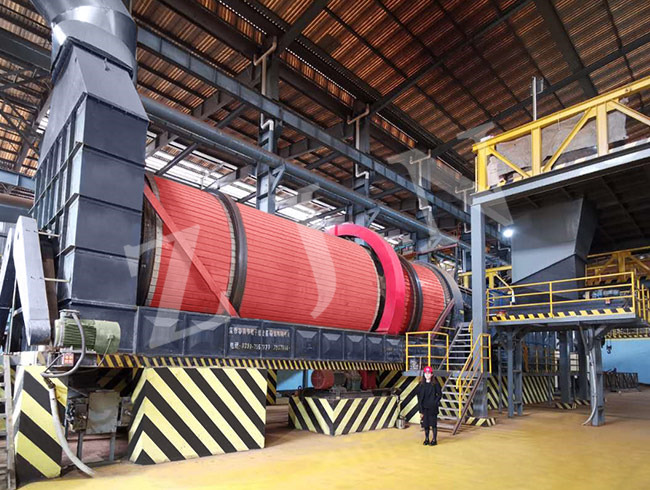
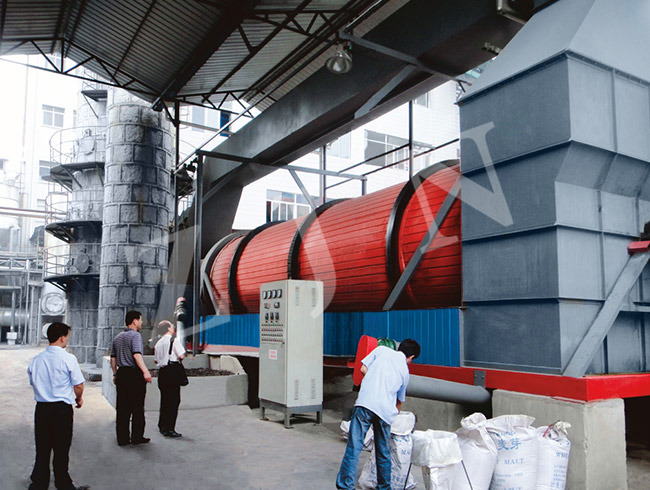
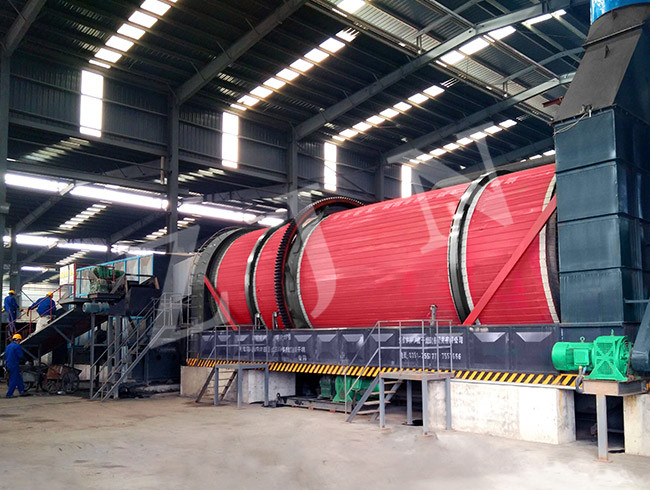
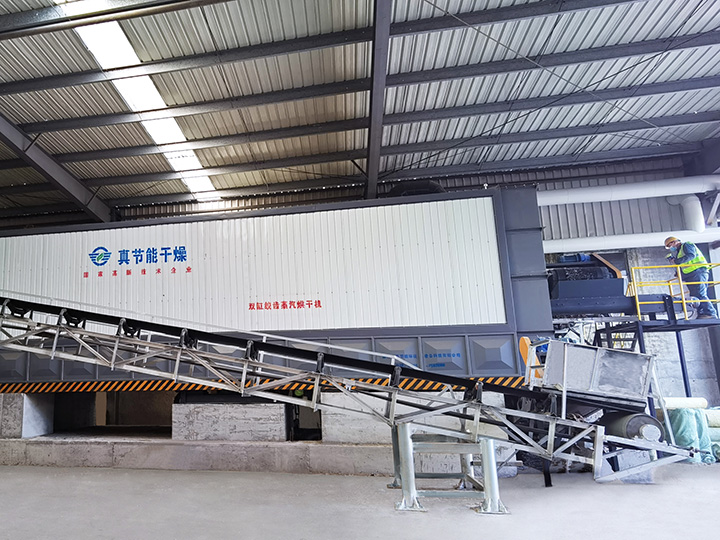
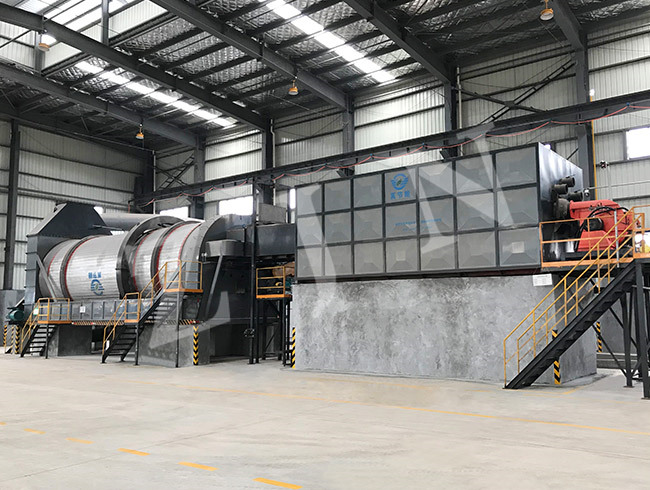
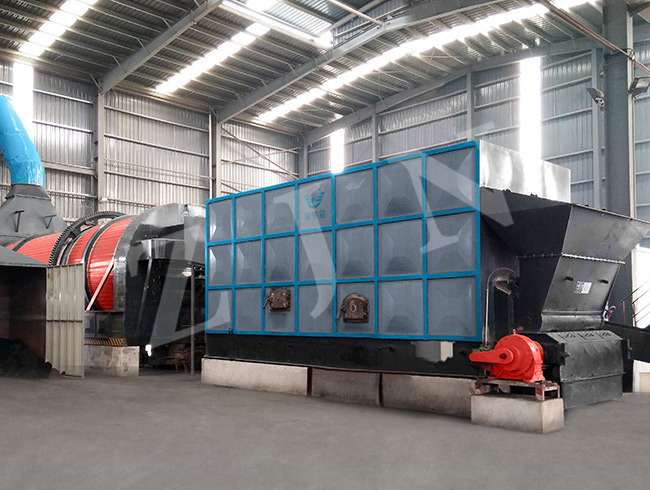
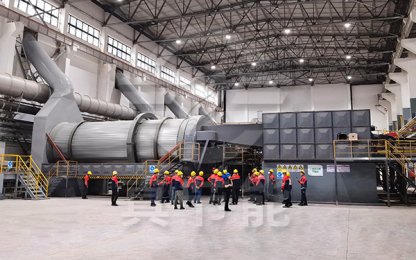
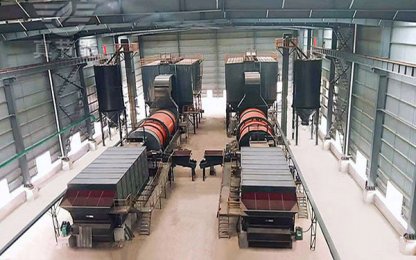
Sludge is an inevitable by-product of urban construction and industrial development. The application of rotary drum sludge drying equipment effectively solves various sludge disposal problems for enterprises. It not only resolves the dilemma of difficult sludge treatment, but also greatly improves the economic and practical value of dried sludge, creating additional economic benefits for production enterprises. To ensure long-term stable operation, high drying efficiency and safe production, operators must master standardized production key points during equipment operation. The core operational precautions are summarized as follows.
1. Pre-Operation Comprehensive Inspection
Before starting the rotary drum sludge dryer, conduct a full inspection of all connecting parts and mechanical components. Fasten loose parts and take protective measures for components prone to falling off to avoid mechanical failures during operation. Meanwhile, thoroughly check the safety of all circuit lines and confirm stable voltage supply to ensure safe startup of the equipment.
2. Strictly Control Internal Drying Temperature
Cylinder temperature control is the core of safe and efficient drying operation. Insufficient temperature will lead to inadequate heat supply, reducing drying efficiency and resulting in unqualified finished sludge quality. Excessively high temperature will bring potential safety hazards such as material combustion and explosion.
The optimal temperature parameters of the rotary drum sludge dryer are calibrated and fixed after professional installation and commissioning by the manufacturer. Operators are not allowed to adjust the internal temperature arbitrarily during daily production. If parameter adjustment is required due to working condition changes, it must be completed with the guidance of professional manufacturer technicians to avoid abnormal operation and equipment damage.
3. Maintain Uniform Feeding and Reasonable Drum Speed
During the feeding process, maintain a uniform and stable feeding speed. Uneven feeding (excessive or insufficient material input) will cause uneven heat distribution inside the cylinder, affecting drying uniformity. Regularly check materials for agglomeration and wall adhesion; timely dredge blockages once found to ensure smooth feeding and continuous production.
In addition, keep the drum running at a rated and stable speed. Too low rotating speed will cause local overheating of the cylinder, resulting in thermal deformation of the equipment body and affecting the overall service life of the dryer.
4. Real-Time Inspection and Timely Troubleshooting During Operation
Operators need to regularly check the operating status of all mechanical parts during equipment operation. Once abnormal noise, vibration, wear or other faults are found, eliminate minor problems in a timely manner. In case of serious equipment failures, stop the machine immediately for comprehensive inspection and troubleshooting to avoid equipment damage and safety accidents caused by faulty operation.
Standardized operational specifications are the key to maintaining the efficient, stable and safe operation of rotary drum sludge drying equipment. Operators must strictly follow the manufacturer’s official operation guidelines, implement full-process standardized management of pre-operation inspection, mid-operation control and real-time troubleshooting. Scientific and standardized operation can effectively guarantee drying efficiency and finished product quality, realizing long-term stable and low-failure operation of the equipment.
ZJN Drying System Co., Ltd. provides professional operational training, standardized operation manuals and full-life-cycle after-sales services for rotary drum sludge dryers, helping customers achieve safe, efficient and standardized sludge drying production.