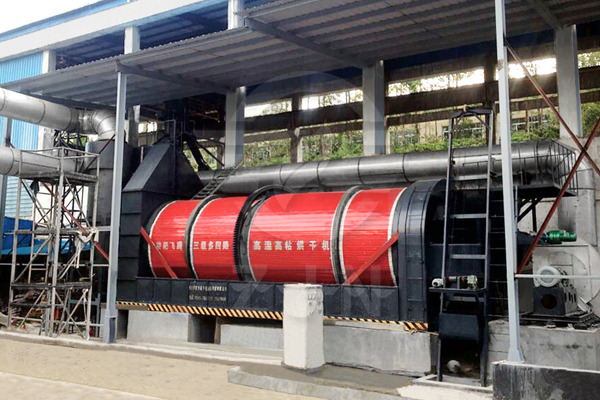
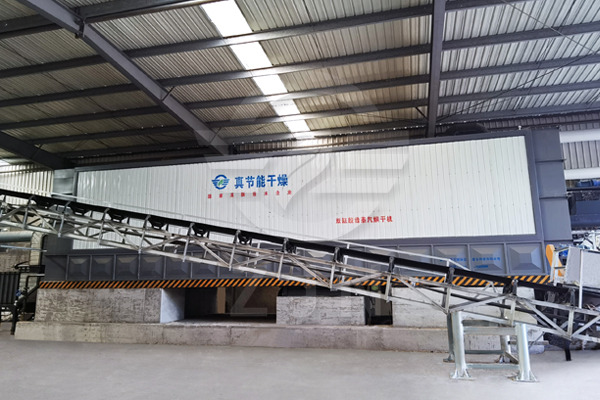
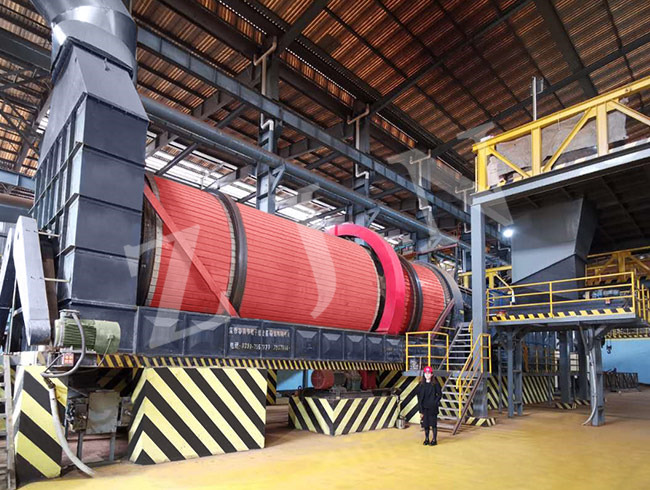
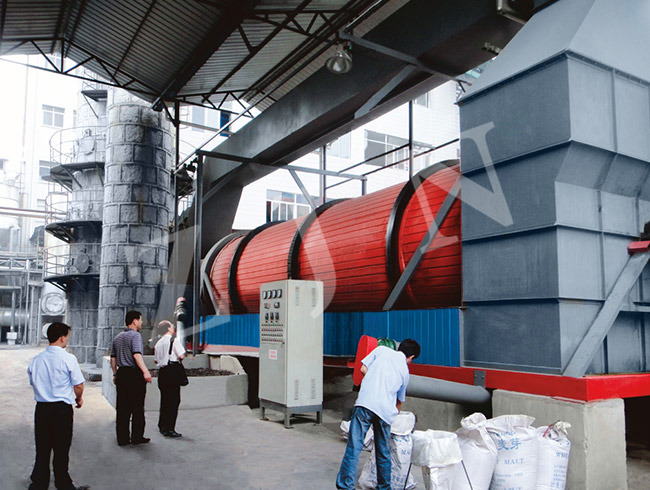
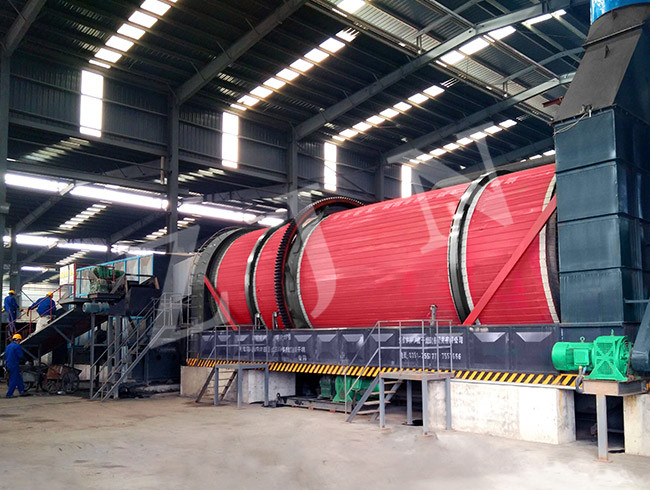
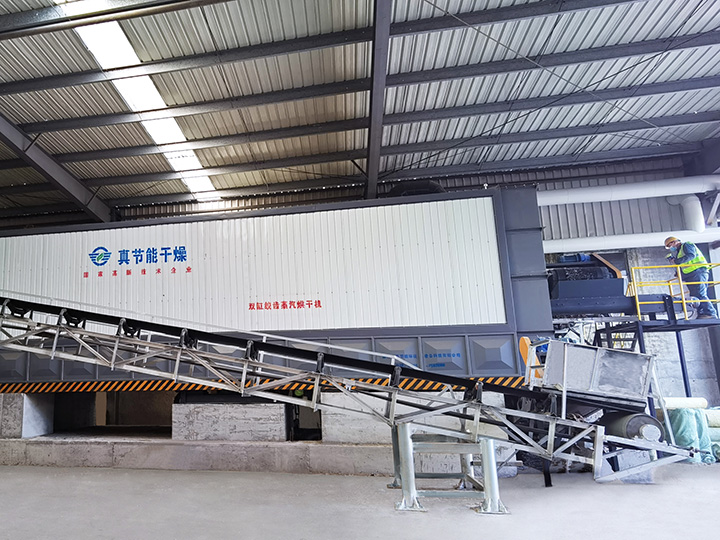
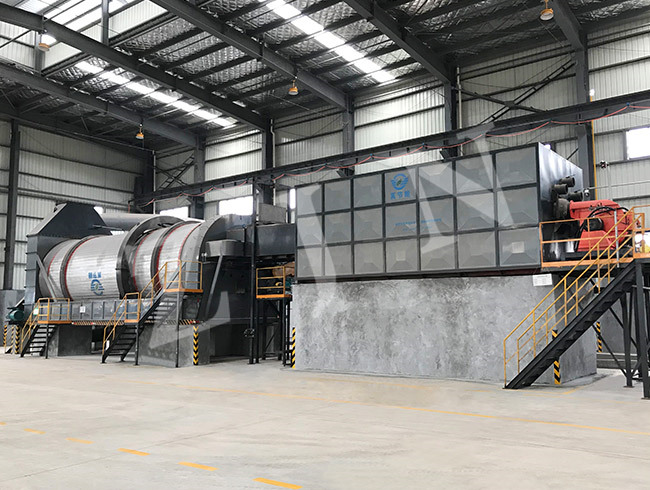
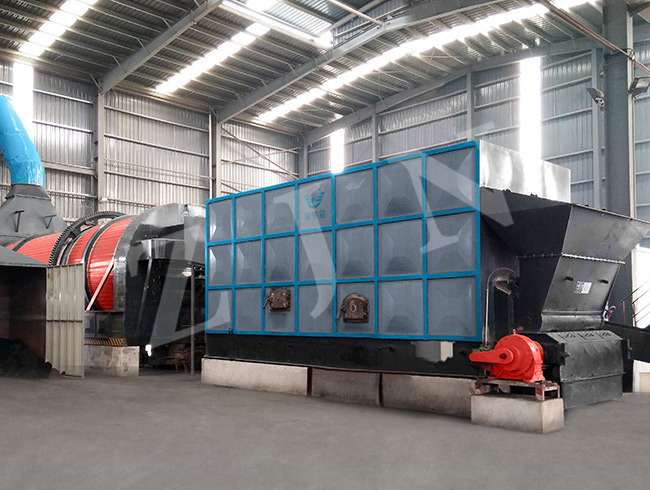
Municipal sludge drying equipment is widely applicable, high-efficiency, energy-saving and environmentally friendly. It rapidly dewaters and dries various waste residues and sludge generated in industrial production, greatly improving the utilization and economic value of sludge. As national environmental standards become increasingly strict, the main environmental concern of municipal sludge drying systems lies in tail gas after treatment. How do these dryers achieve qualified tail gas emissions?
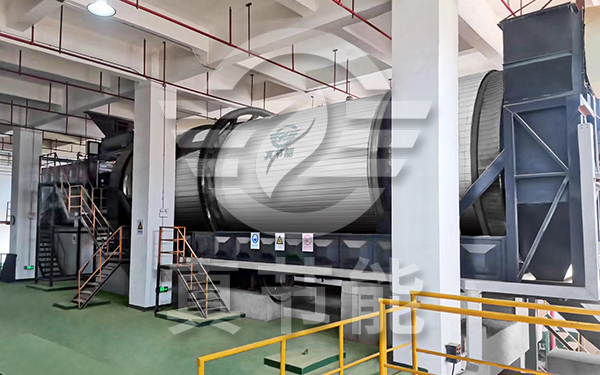
Manufacturers of municipal sludge drying equipment invest substantial manpower, materials and funds every year to develop and innovate drying technologies. By improving thermal efficiency and production capacity, the volume of tail gas can be reduced. Adoption of clean energy ensures stable drying performance while realizing energy conservation and emission reduction, cutting operating costs and meeting environmental requirements. Combustion of clean energy reduces odors, flue gas and dust, lowering the difficulty and cost of subsequent tail gas treatment.
The residence time of materials inside the dryer cylinder can be shortened to reduce tail gas output. Manufacturers install special crushing devices inside the cylinder to stir and separate materials, accelerating contact between materials and hot air. This improves heat utilization and production efficiency and speeds up moisture evaporation.
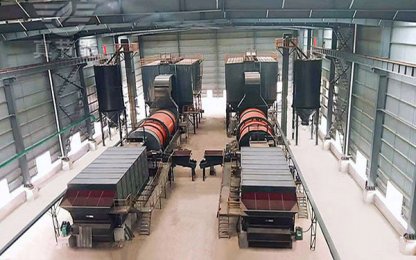
In addition, the tail section of municipal sludge drying equipment is equipped with professional dust removal units to filter, purify and remove dust from flue gas before discharge to meet emission standards. Common dust removal equipment includes baghouse dust collectors, cyclone dust collectors, pulse dust collectors, electrostatic precipitators and water film dust collectors. Among them, baghouse dust collectors are most widely used. When operating this device, the filter cloth pore size should be larger than the diameter of dust particles so dust can adhere to the filter cloth for easy cleaning. For acidic or alkaline gas treatment, filter cloth is vulnerable to corrosion which weakens filtration performance. Regular inspection and replacement of filter cloth are required to maintain dust removal efficiency and ensure stable operation of the sludge dryer.
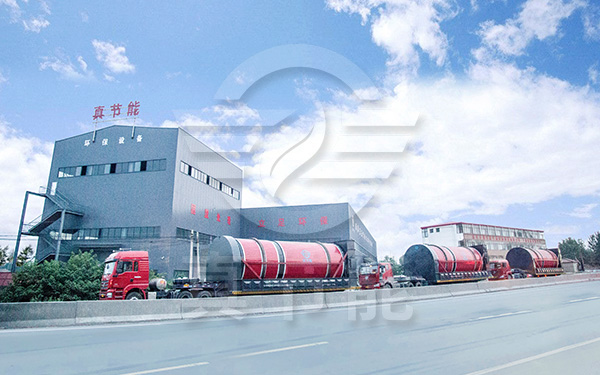
In summary, when customers purchase municipal sludge dryers, manufacturers will configure professional dust removal systems according to actual production demands to satisfy your production requirements.