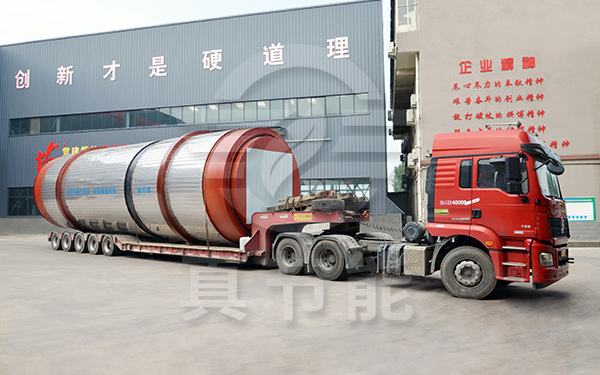
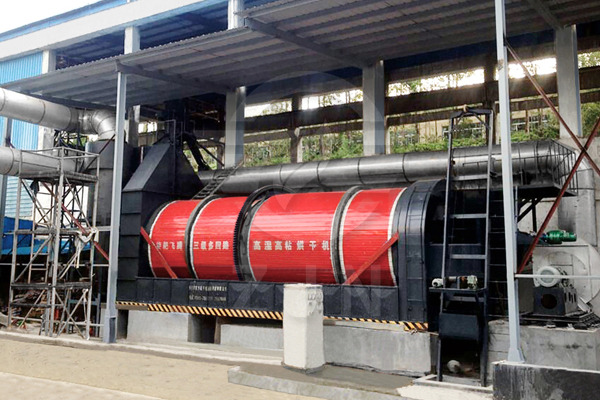
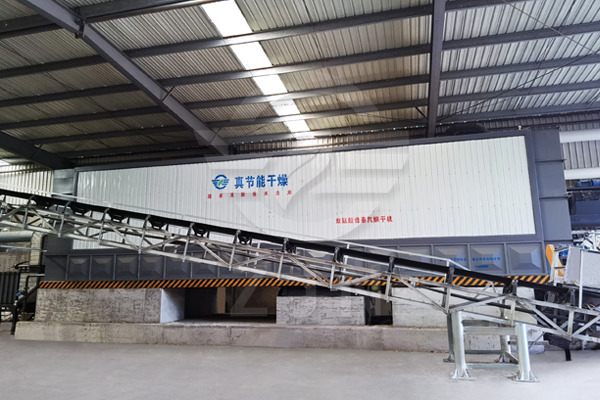
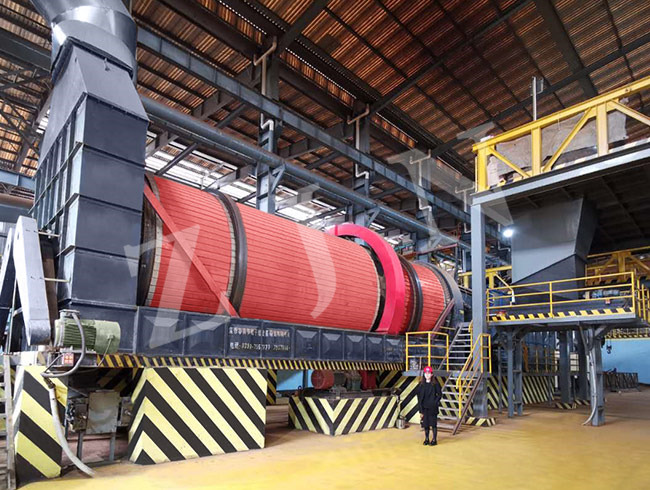
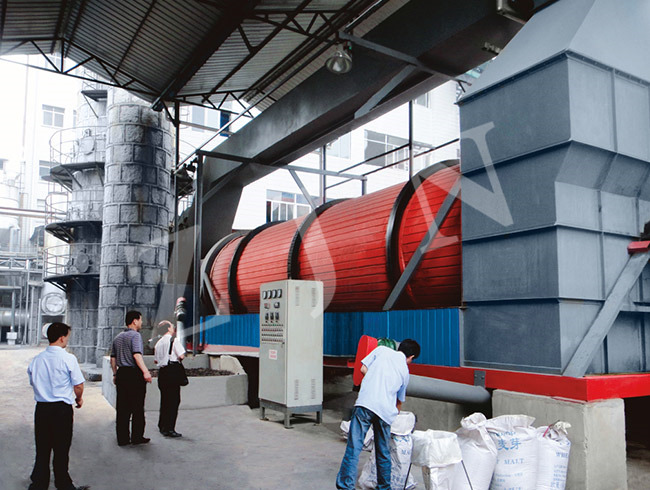
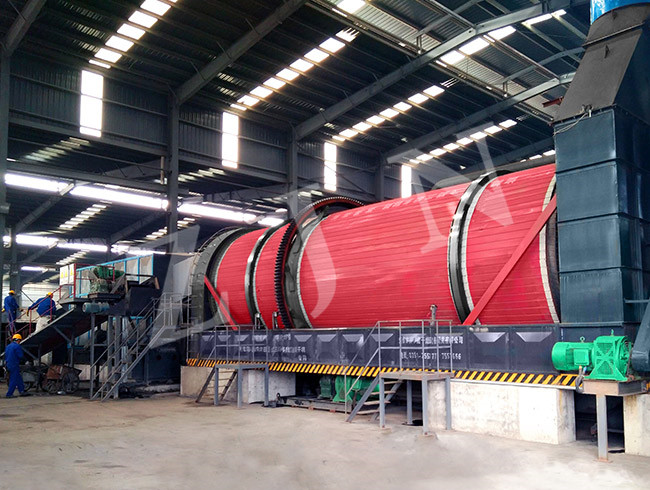
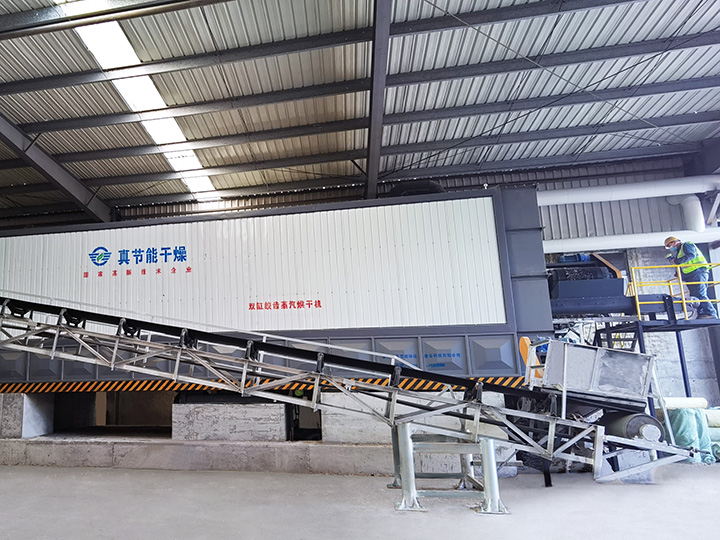
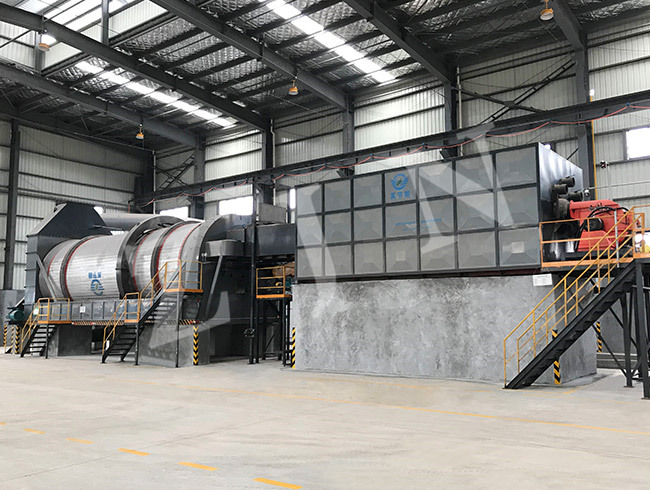
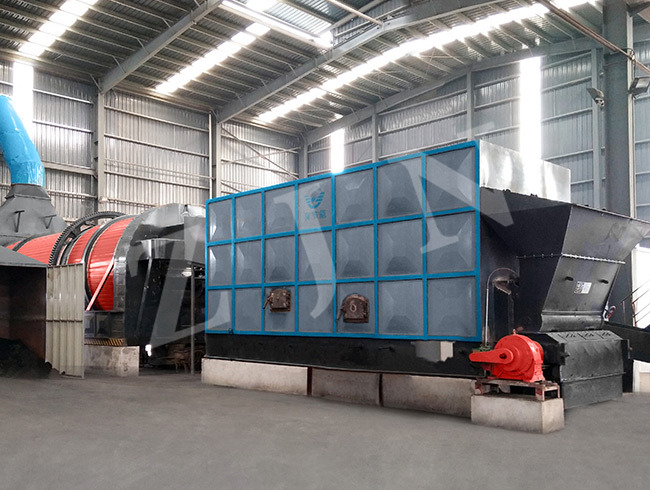
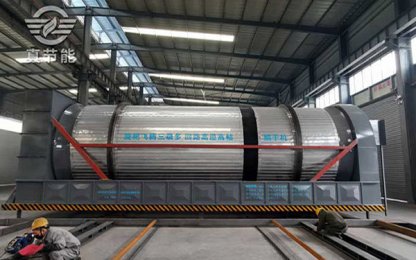
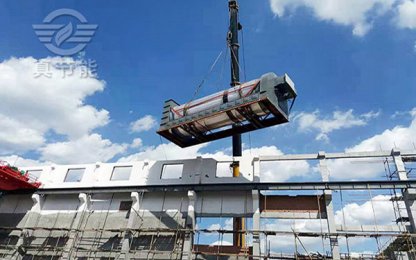
With economic development, remarkable achievements have been made in environmental protection in China, among which sludge drying technology is gaining growing importance in the environmental protection sector. Rotary drum sludge dryers are dewatering and drying equipment for high-moisture materials such as municipal sludge, industrial sludge, hazardous waste sludge, textile sludge, papermaking sludge and pharmaceutical sludge. This type of equipment has gradually become a preferred option for various industries. Drying capacity refers to the quantity of wet sludge the equipment can process per unit time, serving as a key indicator for evaluating equipment performance. Below we analyze the factors affecting the drying capacity of rotary drum sludge dryers from the perspective of equipment principle and structure.
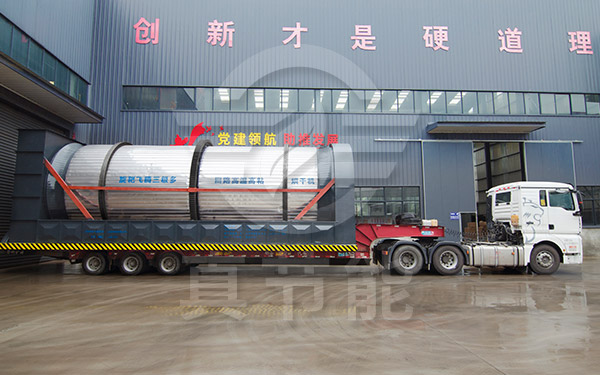
First, it is necessary to understand the working principle of rotary drum sludge dryers. Based on drying modes, they can be divided into direct heating and indirect heating. Indirect heating is more suitable for materials with relatively low viscosity and has lower drying efficiency than direct heating. Therefore, this article mainly discusses factors affecting the drying capacity of the direct-heating type. The direct-heating rotary drum sludge dryer evaporates moisture through direct contact between high-temperature hot air and wet sludge. Its drying capacity is mainly restricted by the following factors:
1. Material Properties
The drying capacity of a rotary drum sludge dryer is affected by material characteristics including moisture content, particle size and viscosity. Sludge with high moisture content, fine particles and high viscosity tends to stick together during drying, which reduces drying performance. Since drying capacity is directly related to sludge properties, suitable drying equipment shall be selected according to the characteristics of materials to be treated in practical operation.
2. Equipment Structure
Drying capacity is closely related to the cylinder structure and internal layout of the rotary drum sludge dryer. Theoretically, larger drum volume, more lifting flights inside the cylinder and higher rotating speed bring higher drying capacity. In practical application, however, the equipment structure needs comprehensive design considering material features, expected drying results and actual site conditions.
3. Heat Source Selection
For direct-heating equipment, available heat sources include coal, fuel oil, natural gas and biomass pellets. Heat source type, calorific value, heat supply mode and thermal efficiency directly affect drying capacity. Higher heat input accelerates drying speed. Nevertheless, heat source cost, accessibility and environmental requirements must also be taken into account. It is essential to select heat source equipment with balanced performance and cost.
4. Operation and Running Conditions
Controls of fuel supply, air volume and drum rotating speed all influence the drying capacity of rotary drum sludge dryers. Apart from the inherent performance of equipment, drying capacity is subject to operators’ skill and operation management. Proper operation and management can improve equipment utilization rate and overall drying capacity.
5. Human Factors
Human-related work involved in the drying process, such as equipment parameter adjustment, discharging control and maintenance, will affect the normal operation of rotary drum sludge dryers. Operational errors and delayed maintenance may impair finished product quality and reduce drying capacity.
In summary, the drying capacity of rotary drum sludge dryers is associated with multiple factors including material properties, equipment structure, heat source selection, operation conditions and human factors. In practical application, these factors shall be considered comprehensively to select proper equipment and operation scheme for boosting drying capacity and achieving expected targets.