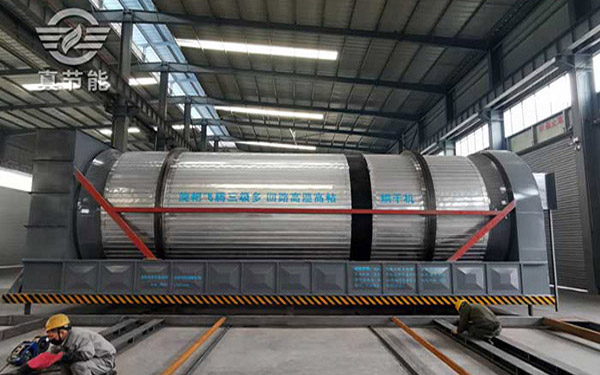
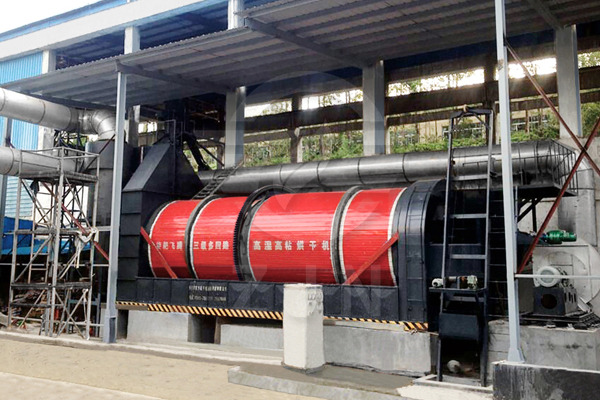
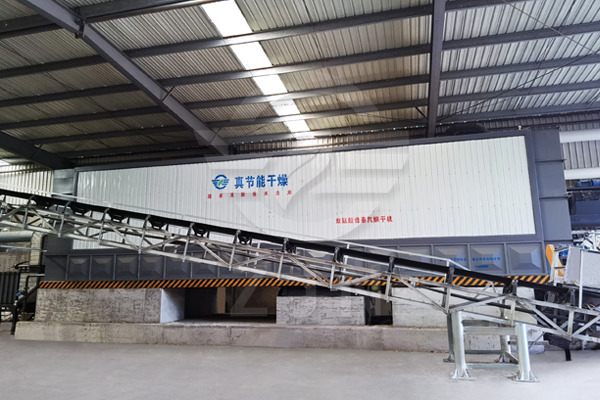
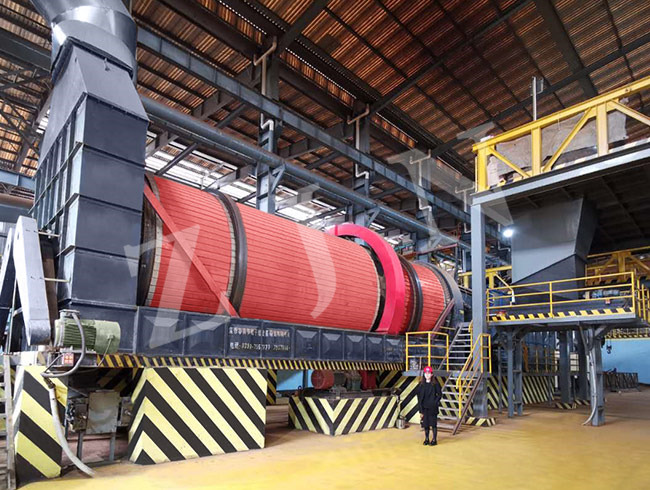
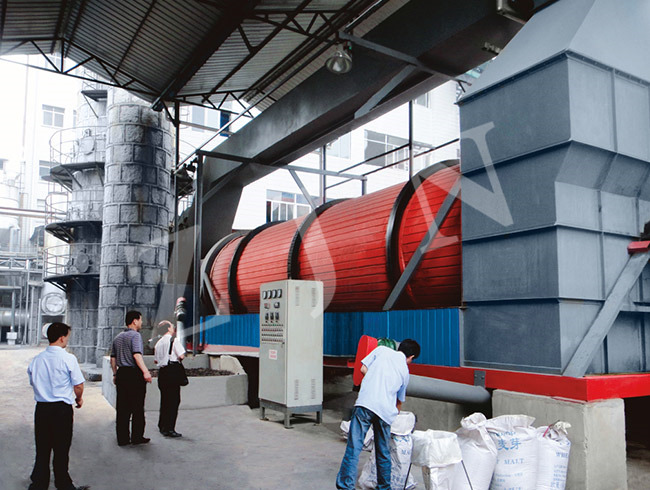
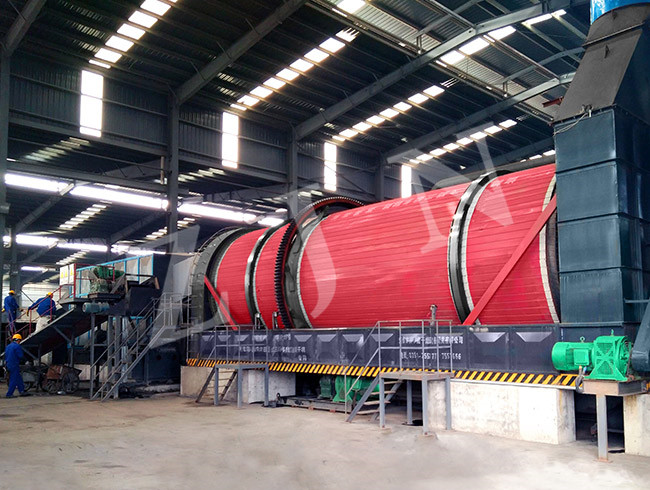
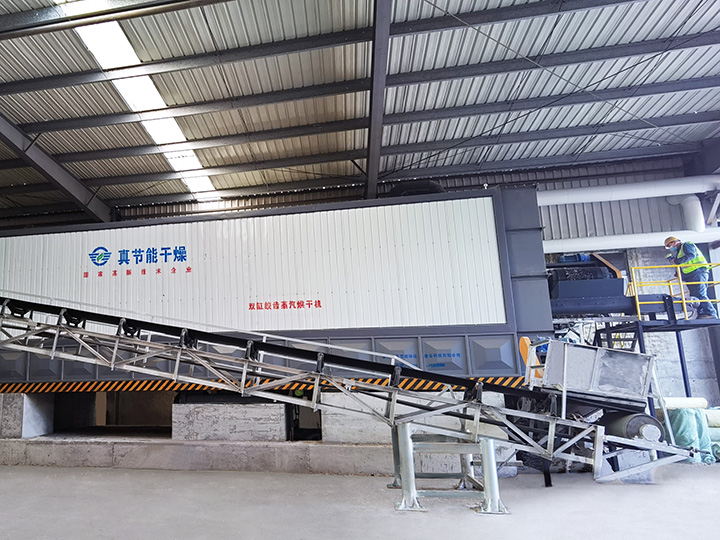
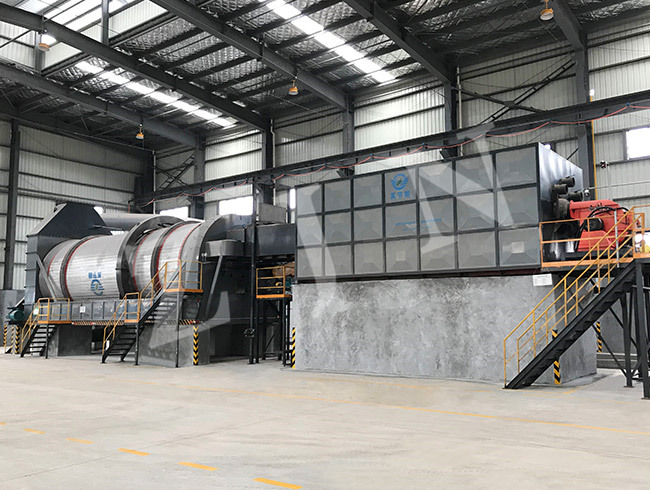
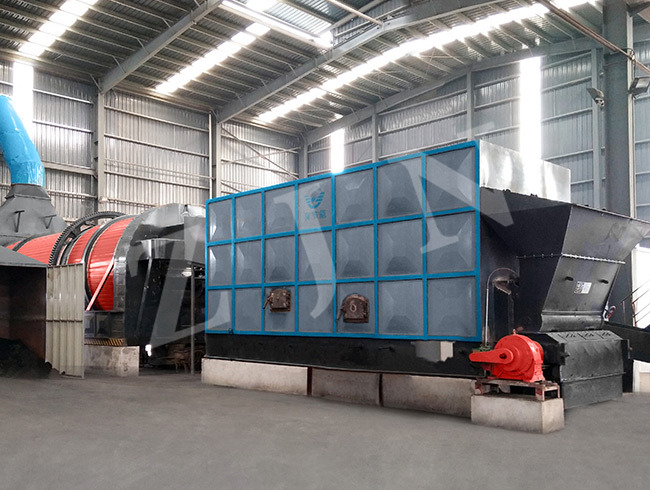
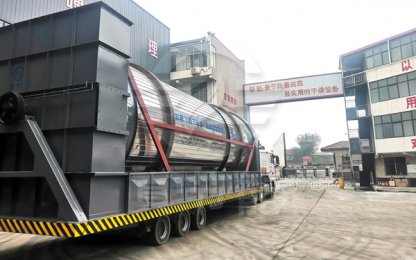
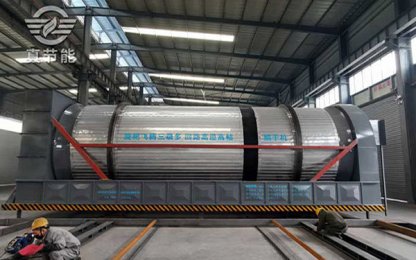
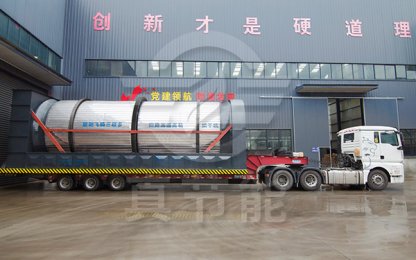
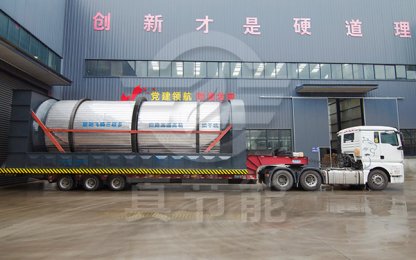
Oily sludge drying equipment is indispensable environmental protection equipment in industrial production. It adopts high-temperature hot air to dewater and dry sludge so as to realize volume reduction and harmless disposal of sludge. Nevertheless, material blockage sometimes occurs during actual operation. The following analysis introduces the factors that lead to blockage in oily sludge drying equipment.
1. Blockage Caused by Properties of Oily Sludge
Oily sludge usually comes from oily wastewater, chemical wastewater or other sources. It features high viscosity and tends to adhere to the inner wall of equipment. Due to high oil content, the viscosity of sludge rises rapidly and an oil film will quickly form to block slag chutes and other parts inside the dryer. Material stickiness is an inherent challenge for oily sludge drying.
2. Blockage Caused by Improper Design Parameters of Equipment
(1). Abnormal hot air flow velocity
Air flow velocity exerts a great influence on the operation of oily sludge drying equipment. Excessively high air velocity makes sludge particles stick to the inner wall of the dryer, resulting in poor pipeline flow and even biased flow. On the contrary, too low air velocity leads to unsatisfactory drying effect. Undried oily sludge accumulates inside the cylinder and triggers blockage. Therefore, the hot air flow velocity should be adjusted according to actual project requirements, neither too fast nor too slow.
(2). Improper hot air temperature
Excessively high temperature will rapidly form a sludge film and cause sludge adhesion on the cylinder wall. If the temperature is too low, the hydrolysis rate of oily sludge will decrease and moisture cannot evaporate fully. Meanwhile, sludge particles tend to collide and agglomerate, causing blockage of drying equipment.
(3). Malfunction of automatic control system
Modern oily sludge drying equipment is generally equipped with an automatic control system to monitor and adjust feeding rate, air volume, temperature and other parameters in real time. If the automatic control system fails, parameter deviation will appear and consequently lead to material blockage.
3. Blockage Caused by Improper Operation and Management
(1). Failure to preheat equipment as required during startup
Preheating is required before startup to reduce adhesion of oily sludge and improve swirling flow effect. Non-compliant operation will increase sludge viscosity during drying, resulting in sludge buildup on inner walls and blockage.
(2). Untreated abnormal parameter deviation during operation
Operators shall closely monitor all operating parameters of oily sludge drying equipment and handle abnormalities promptly. For example, check whether air volume or temperature is too high in case of pipeline biased flow; supply heat in a timely manner if the equipment temperature drops. These operations can effectively prevent blockage.
(3). Delayed cleaning and maintenance
Regular inspection and maintenance are required for oily sludge drying equipment after long-time running. Periodic cleaning is especially necessary for vulnerable clogging positions such as the dryer inner wall and slag chutes. Blockage will inevitably occur if maintenance and cleaning are neglected for a long period.
To sum up, material blockage of oily sludge drying equipment is related to sludge characteristics, equipment design, operation and management. During operation, users shall reasonably control drying parameters, strictly follow operating procedures and maintenance rules to reduce the risk of blockage and guarantee normal equipment operation.