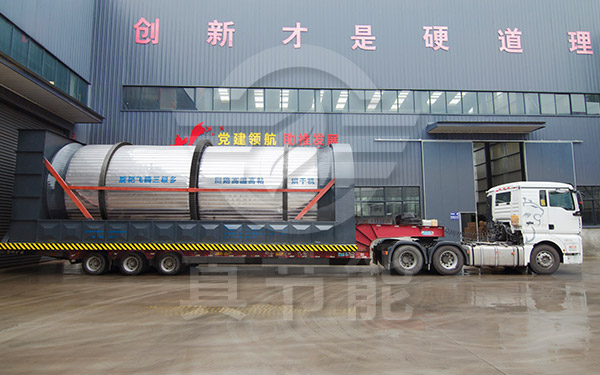
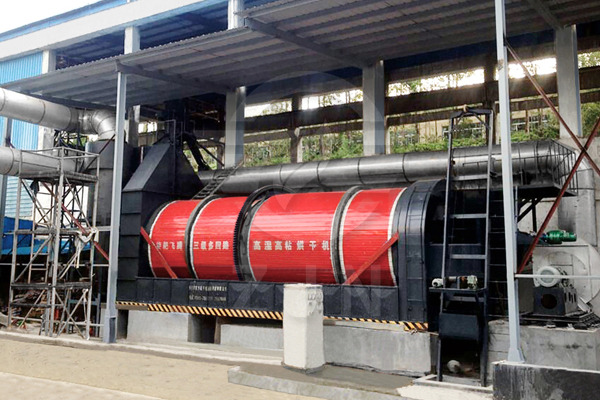
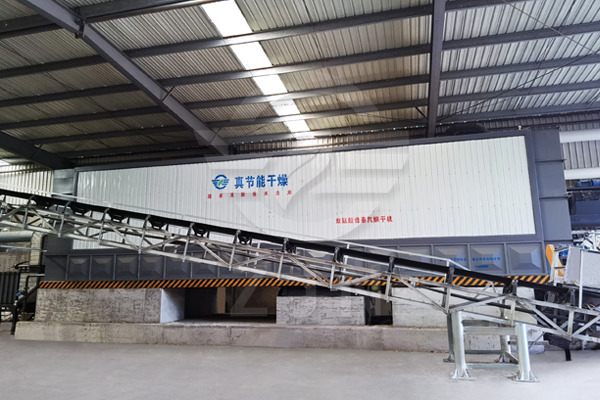
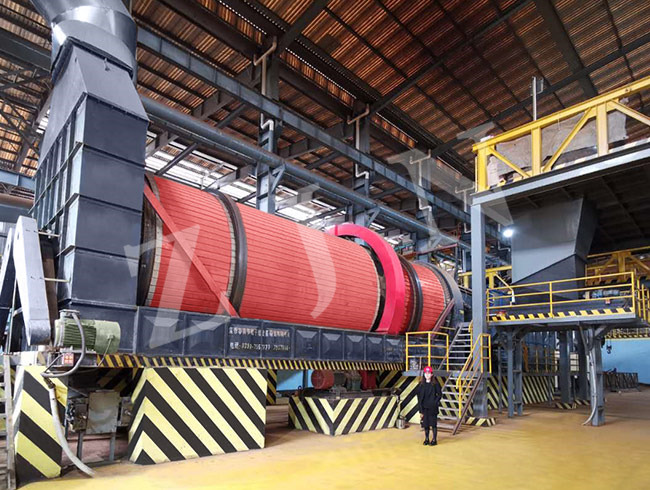
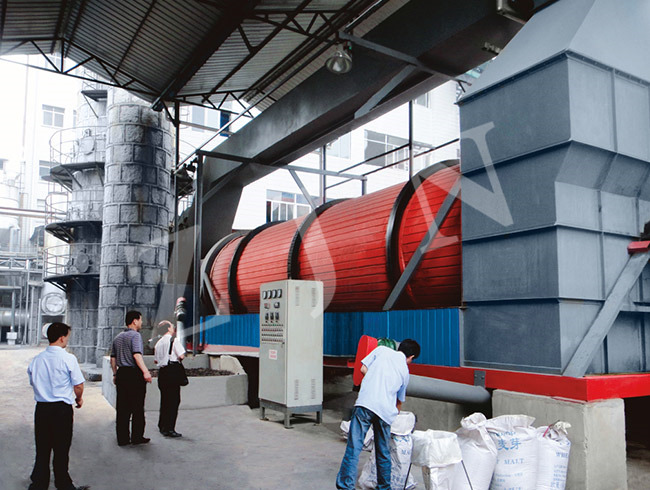
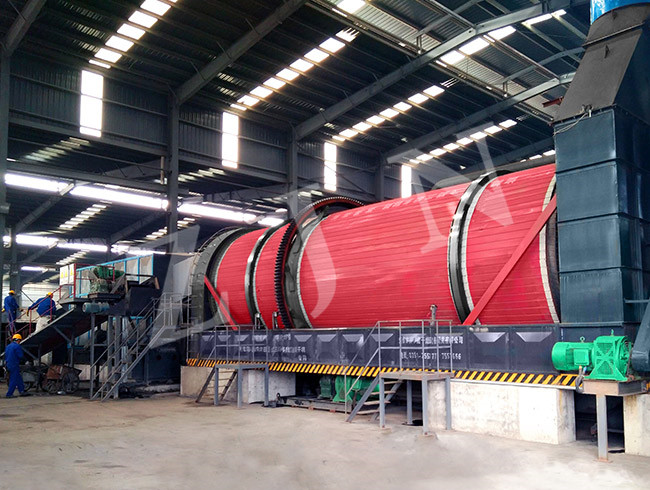
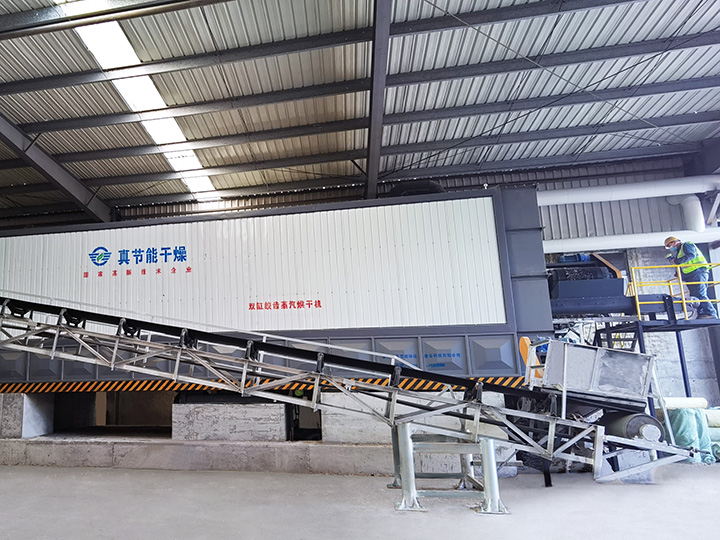
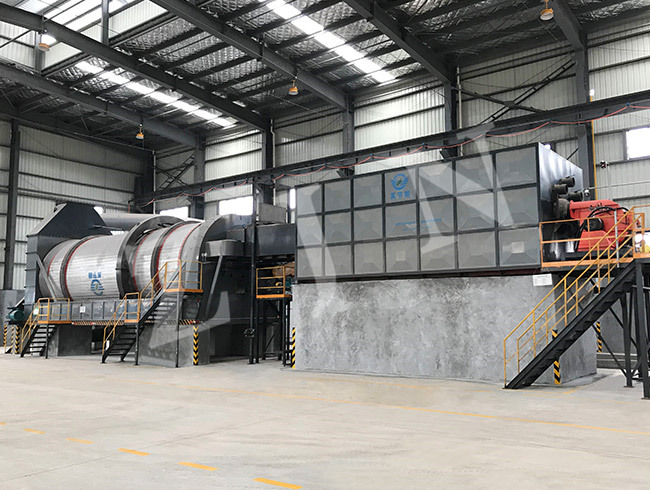
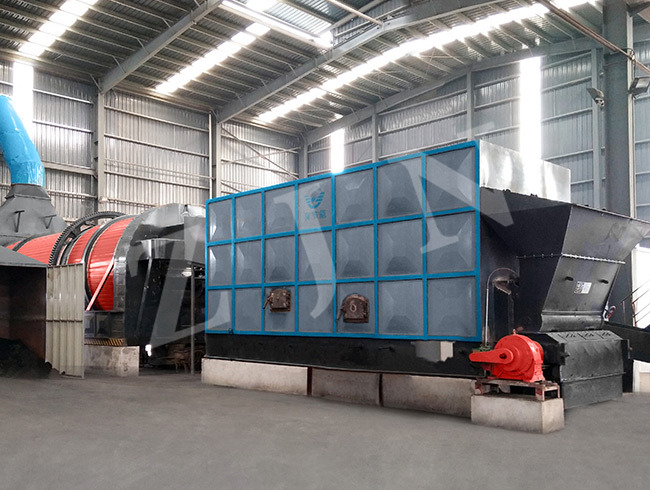
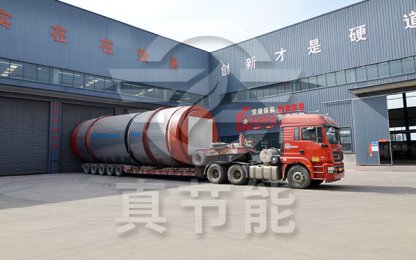
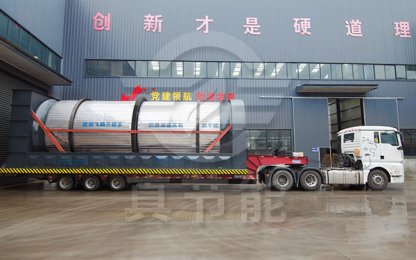
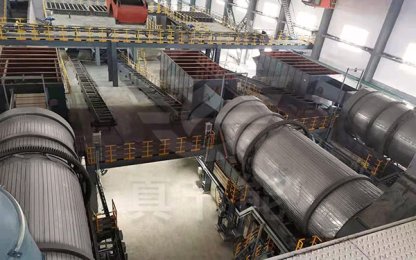
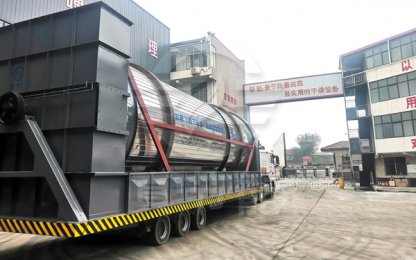
The "low-temperature & high-air-volume" low-temperature sludge dryer from ZJN Drying System Co., Ltd. adopts innovative low-temperature drying technology. It does not require high-temperature heat sources. By increasing air volume and expanding heat exchange area, it effectively improves drying efficiency and cuts energy consumption during operation. Featuring environmental friendliness and energy saving, low-temperature sludge dryers are becoming increasingly popular in the drying market. Below is a detailed introduction to the features and functions of this equipment.
Functions of Low-temperature Sludge Dryers
Undried sludge has high moisture content, strong viscosity and poses severe environmental pollution risks. It brings great inconvenience for transportation, storage and resource utilization. Outsourcing sludge treatment to qualified companies means high service charges and expensive transportation costs, with risks of secondary pollution. For these reasons, more and more enterprises are building production lines equipped with low-temperature sludge dryers.
After treatment by low-temperature sludge drying equipment, sludge volume is reduced and moisture content drops significantly. Harmful pathogens and microorganisms in sludge are killed. The sludge becomes chemically and physically stable with reduced odor. The dried sludge can be further processed for brick making, ceramsite production and cement production, or used as soil conditioner, enjoying a wide range of applications.
Applicable Sludge Types
This equipment is suitable for treating high-moisture and high-viscosity sludge from chemical, electroplating, textile, pharmaceutical, steel mill, sewage treatment plant, municipal, coal, metallurgical and other industries. It helps achieve the goals of sludge stabilization, volume reduction and harmless disposal.
Working Principle of Low-temperature Sludge Dryers
The equipment adopts the direct drying process. During operation, heat supplied by the heat source unit is transferred to the drying chamber through the heat distribution device, creating a proper temperature environment inside the cylinder for sludge drying. Wet sludge is fed into the cylinder via belt conveyor and feeding device and fully contacts hot air. With increased air volume, wet sludge is broken into uniform particles by crushing devices and various lifting flights, dispersing evenly throughout the drying chamber for sufficient contact with hot air. With special exhaust technology and reciprocating drying technology, moisture in wet sludge is fully evaporated. The finished sludge meeting drying requirements is discharged from the discharge end.
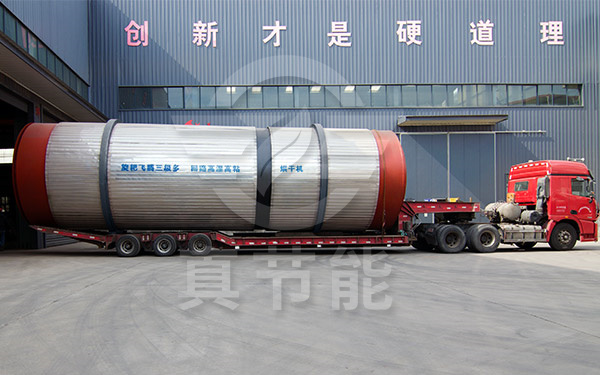
The above explains why low-temperature sludge dryers are increasingly popular. In sludge drying, low-temperature drying technology saves energy, simplifies waste gas treatment and lowers related costs. The whole drying production line adopts fully enclosed drying design with low heat loss, delivering stable and reliable equipment operation.