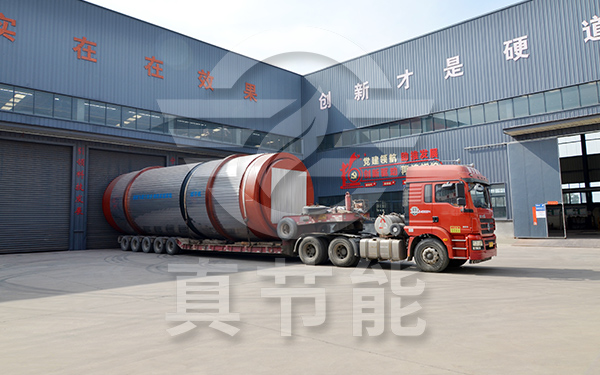
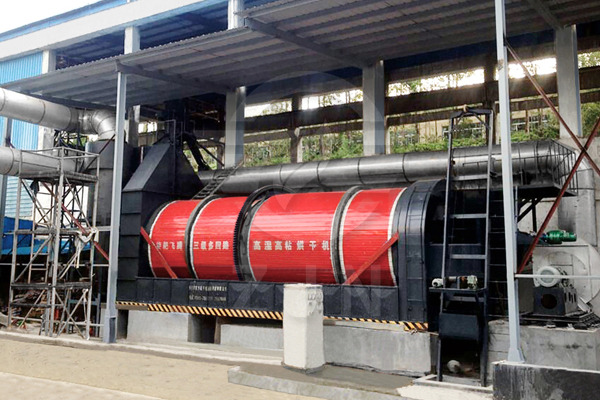
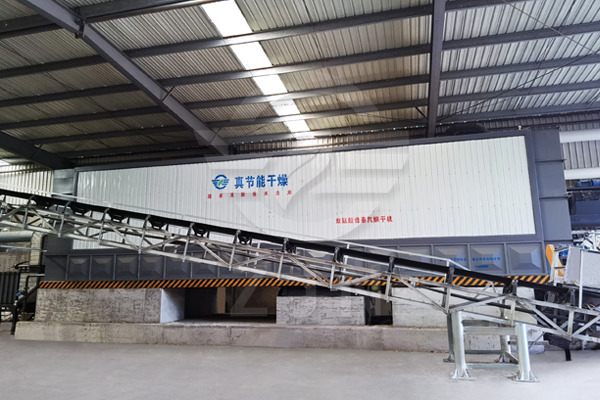
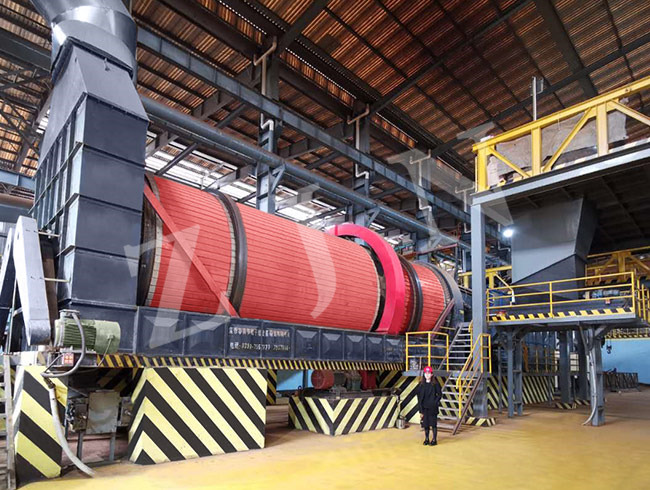
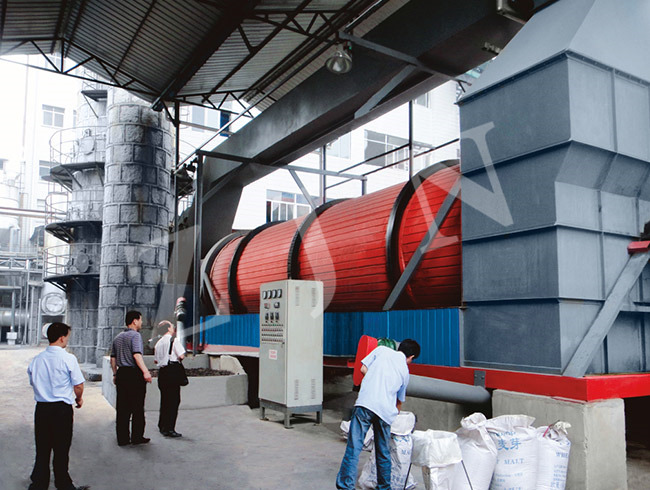
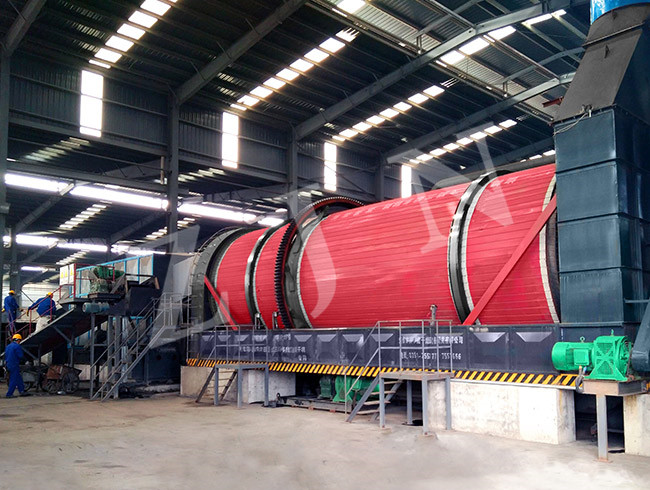
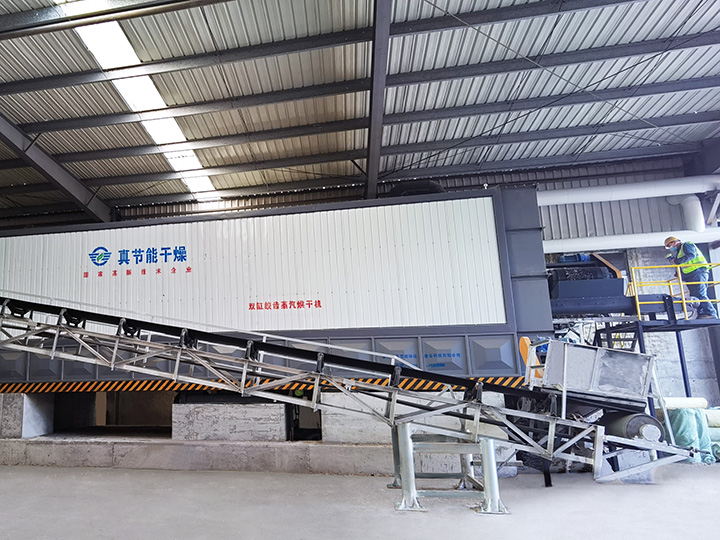
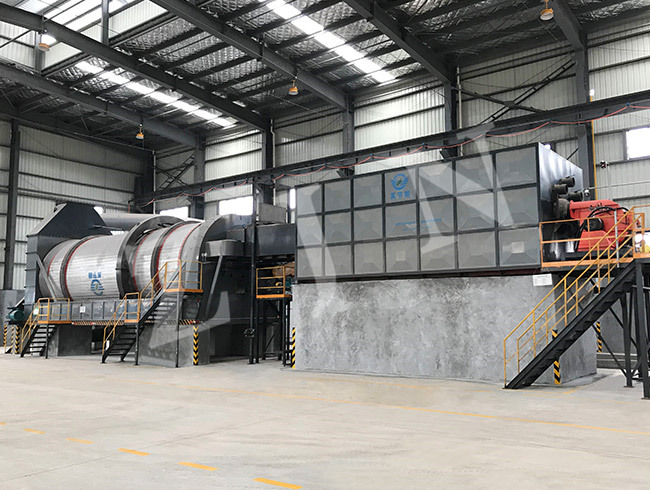
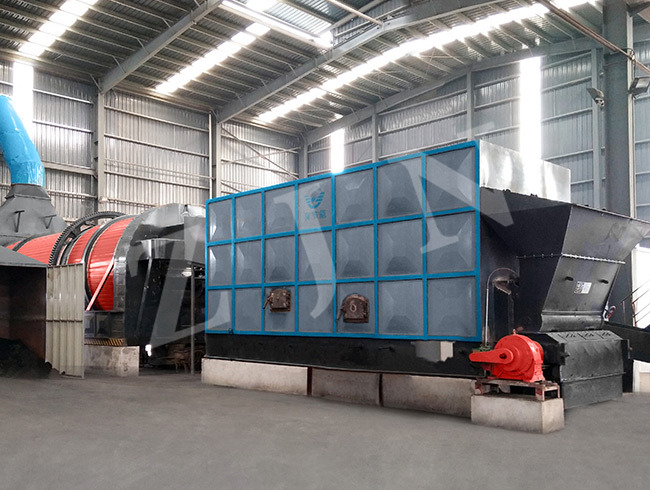
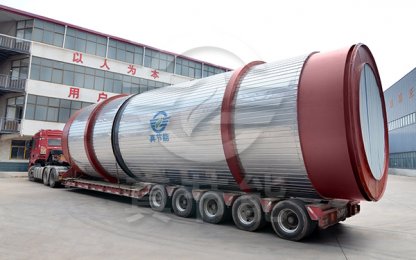
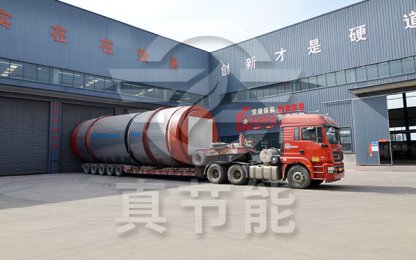
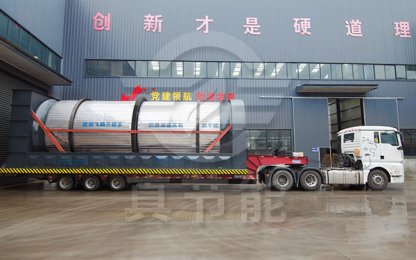
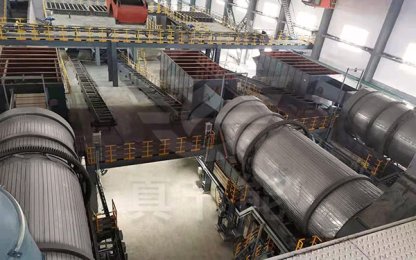
After years of application and development, rotary drum sludge drying technology has evolved into multiple drying equipment with different processes, structures and forms. The widely used rotary drum sludge dryer features broad adaptability, large throughput and easy operation, and is adopted in many large-scale drying projects. Classified by structure, rotary drum sludge dryers include single-drum type and triple-drum type. By heating mode, they can be divided into direct heating type, indirect heating type and combined heating type. This article introduces the three major treatment processes of rotary drum sludge dryers for your reference.
1. Direct Heating Process
The direct heating process realizes drying through direct contact between hot air and wet sludge. It includes co-current drying and counter-current drying, each with its own advantages.
In co-current drying, hot air and wet sludge flow in the same direction. The large temperature difference enables rapid heating of wet sludge to reach vaporization conditions and evaporate a large amount of moisture, speeding up the overall drying process.
In counter-current drying, hot air and wet sludge flow in opposite directions. Wet sludge contacts incoming hot air, which increases turbulence and extends the drying residence time inside the drum. It fully evaporates internal moisture of sludge and is suitable for difficult-to-dry materials with high moisture and high viscosity.
Rotary drum sludge dryers adopting direct heating boast high thermal efficiency, large processing capacity and fast drying speed, suitable for various medium and large sludge drying projects. However, since materials are in direct contact with hot air, the sludge is prone to contamination. Meanwhile, the exhaust gas contains substantial dust and requires rigorous treatment. The waste gas must be dedusted and purified to meet local environmental standards before discharge.
2. Indirect Heat Transfer Process
Rotary drum sludge dryers with indirect heating process usually use steam as the heat medium. Wet sludge does not come into direct contact with the heat medium; heat transfers through the heating wall to warm the sludge on the other side of the wall.
Compared with direct drying, indirect heat transfer has lower thermal efficiency, slower heat transfer rate and lower moisture evaporation rate, yet its waste gas treatment is simpler and less costly. This process avoids contaminating the heat medium and delivers good environmental performance. Nevertheless, attention should be paid to heat exchange area and heat loss. Such equipment is generally applied to small and medium drying projects.
3. Combined Heating Process
Combined heating process integrates direct heating and indirect heating, inheriting characteristics of both drying methods. Due to its complex heat transfer system, the equipment has relatively high operating costs.
To sum up, regardless of the drying process adopted, operation and management must comply strictly with operating specifications. Improper operation will damage the equipment and shorten the service life of the rotary drum sludge dryer.