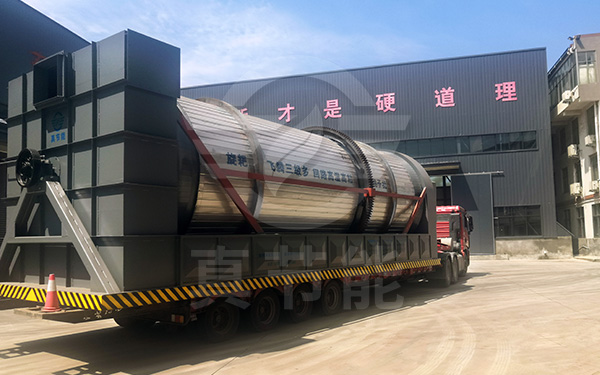
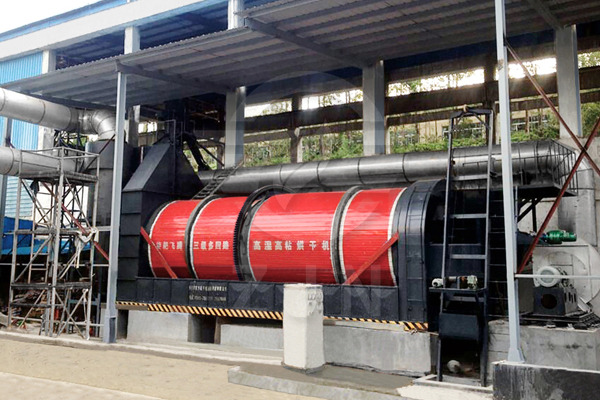
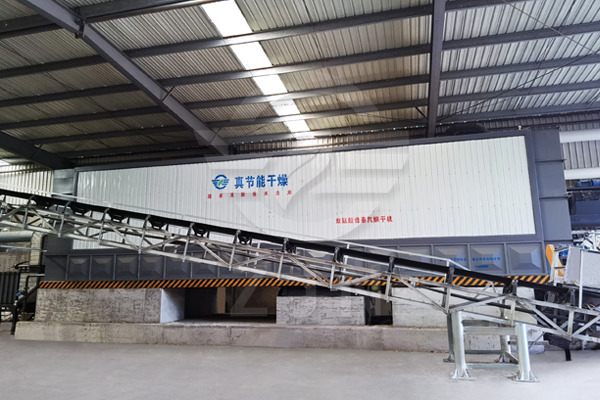
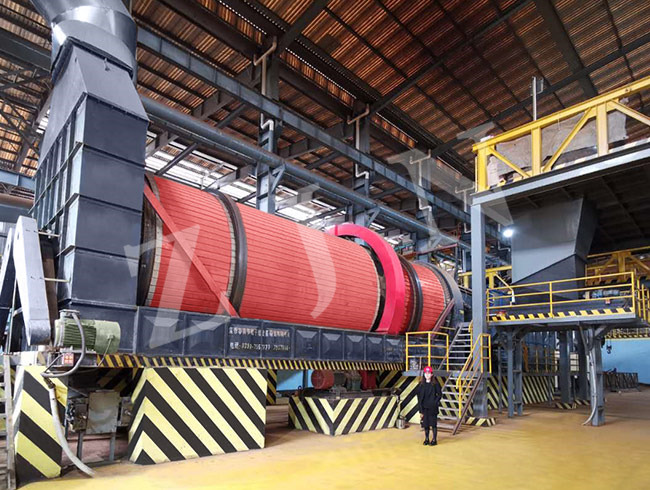
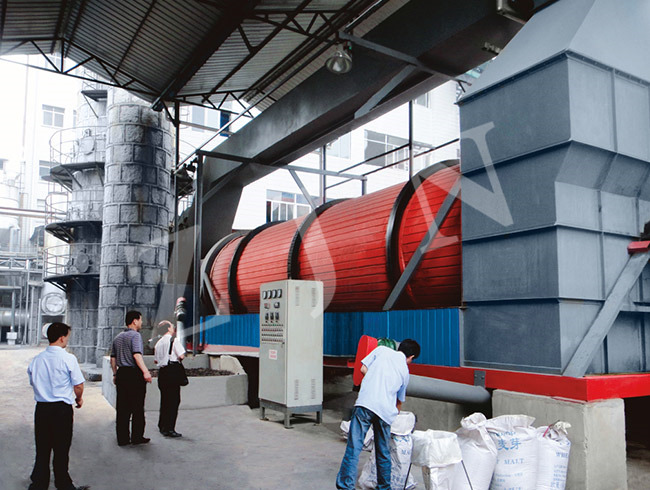
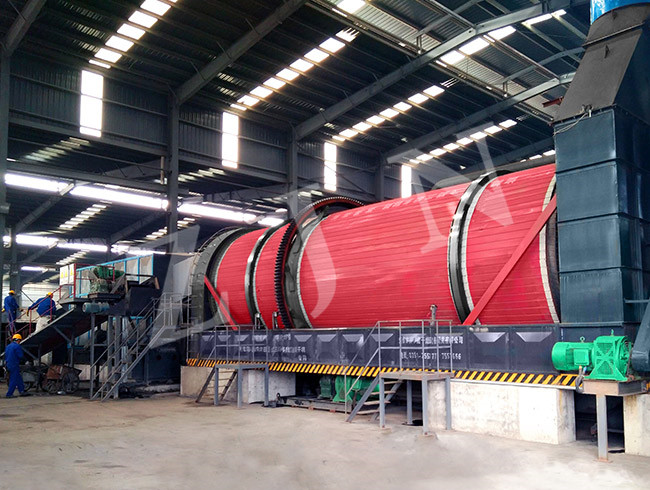
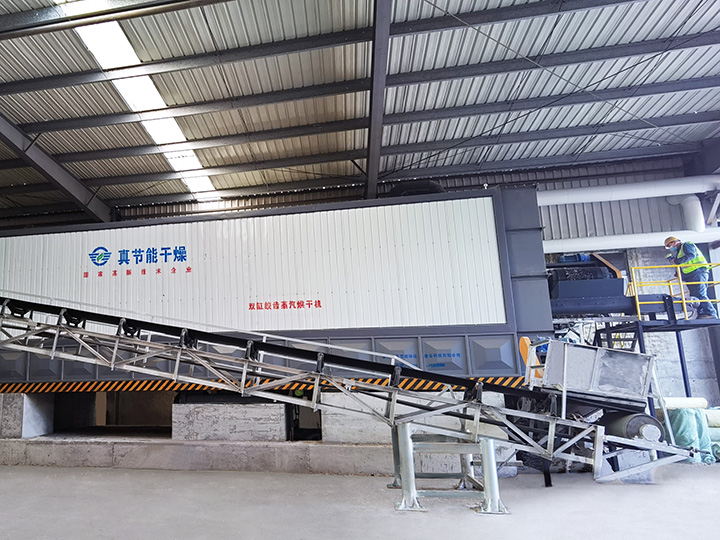
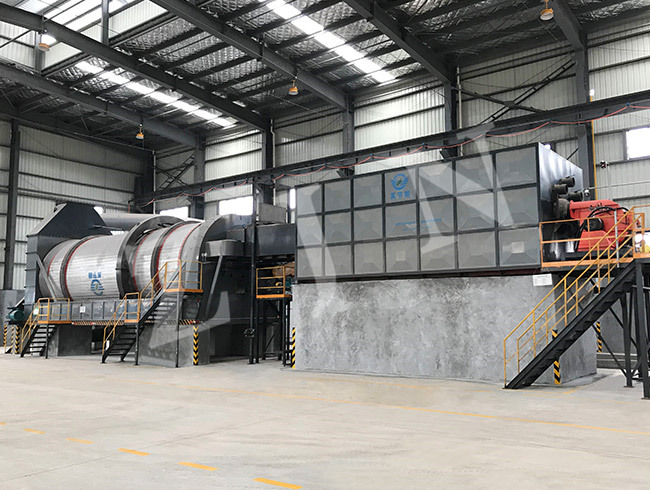
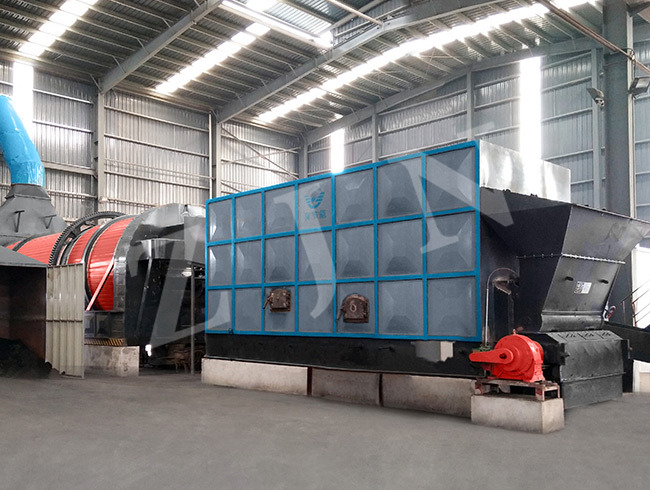
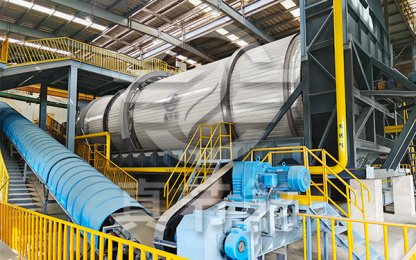
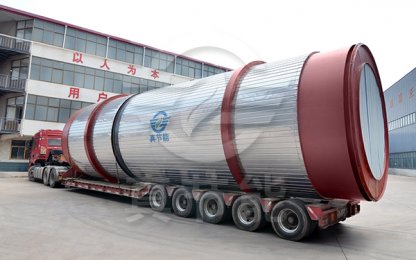
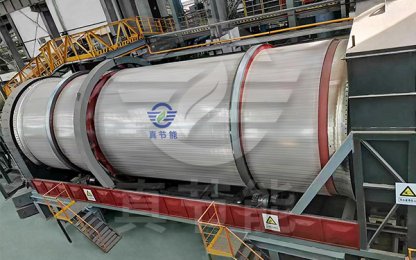
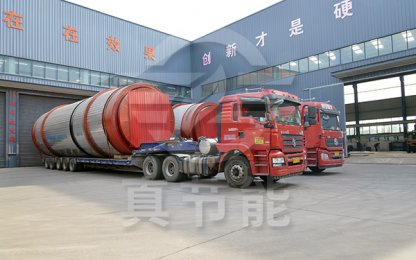
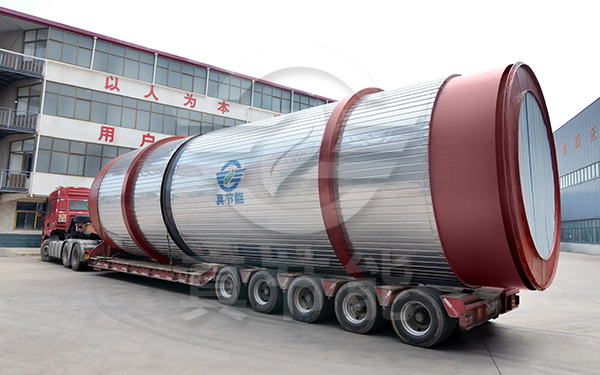
A textile sludge dryer adopts a direct drying method. A special scattering device is installed inside the drum, which breaks up and agitates the material and speeds up the mixing and contact between the sludge and the hot air. This improves both the utilization rate of heat energy and the production efficiency. At present, this equipment can be used in many fields — it is applicable to the industrial, food, and chemical industries alike. In addition to the processing capacity of the equipment itself, there are other techniques that can improve the productivity of a textile sludge dryer. Let's take a look at them below.
I. Moisture content of the material. If the moisture content of the material before drying exceeds the limit specified for the textile sludge dryer, a large amount of heat energy will be consumed during drying and the drying time will be prolonged, thereby reducing the production efficiency of the equipment and even affecting the quality of the finished product after drying. Therefore, the moisture content of the material before drying needs to be kept under control. If the moisture content is too high, dewatering equipment should be used to dewater the material and bring its moisture content within a certain range before drying is carried out, so that the production efficiency of the equipment can be better ensured.
II. Particle shape of the material. The particle shape of the material also affects the drying efficiency of the textile sludge dryer. If the particles are too large, drying becomes more difficult, which in turn affects the production capacity of the equipment. Therefore, materials with large particles need to be crushed first; materials that have been reduced to smaller particles are easier to dry.
III. Adhesiveness of the material. The adhesiveness of the material also affects the drying efficiency of the textile sludge dryer. If the material is highly adhesive, the bond between the water in the material and the material itself is very strong, making the drying process more difficult and thus affecting the productivity of the equipment. Therefore, when selecting a textile sludge dryer, users should choose equipment capable of drying high-moisture and high-adhesiveness materials.
IV. Operating condition of the equipment. Stable operation of the textile sludge dryer ensures the production efficiency of the equipment. If equipment failures occur frequently, production operation will be affected and the productivity of the equipment will be reduced. Therefore, the equipment needs to be inspected, repaired, and maintained regularly so that stable operation and production can be better ensured.
In addition, the drying temperature and the heat supply capacity of the textile sludge dryer also affect the production efficiency of the equipment. Therefore, during drying, the drying temperature and a sufficient supply of heat energy must be ensured. The above are methods for improving the productivity of a textile sludge dryer that we have compiled, in the hope that they will be helpful to users.