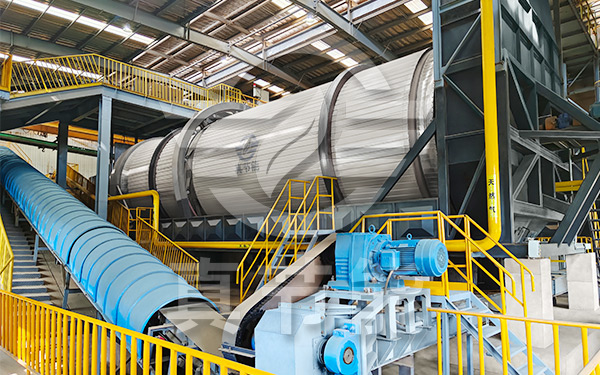
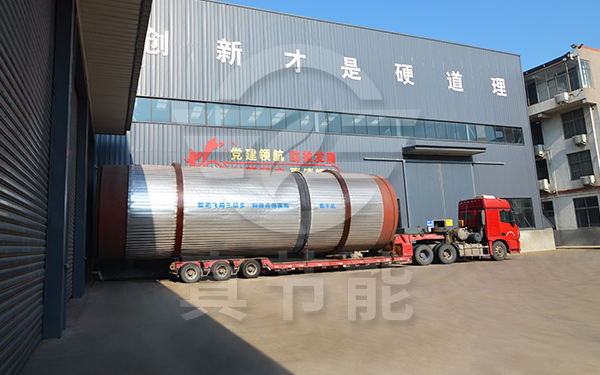
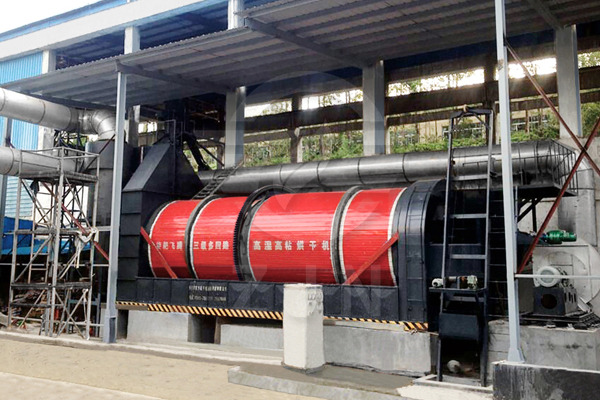
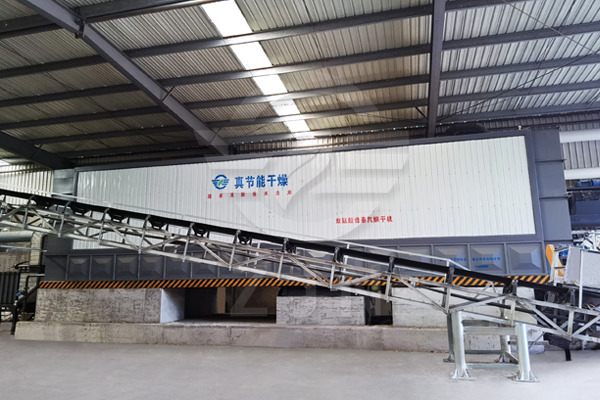
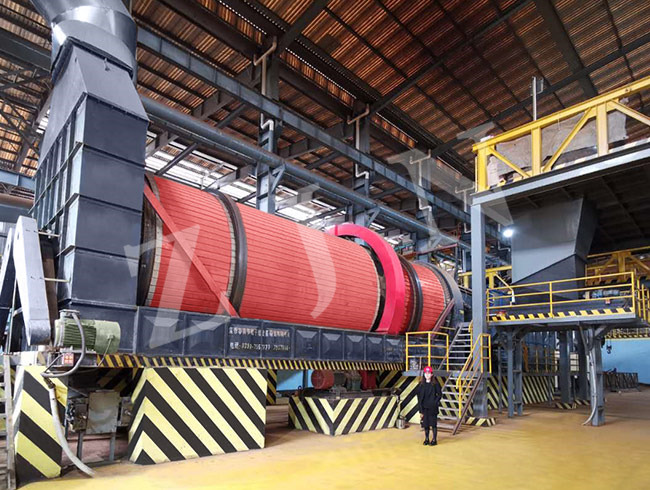
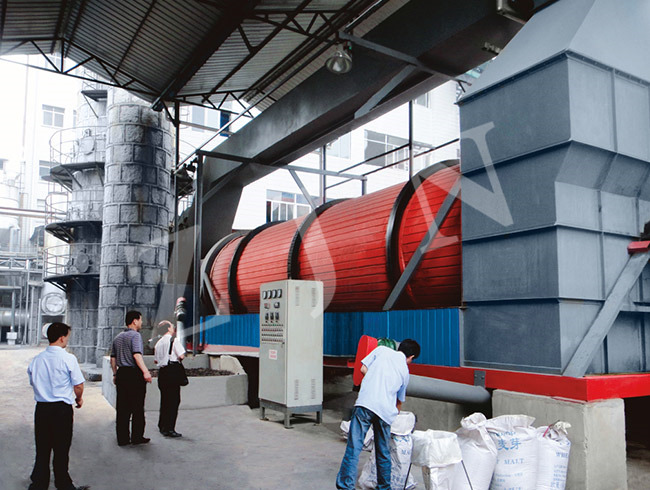
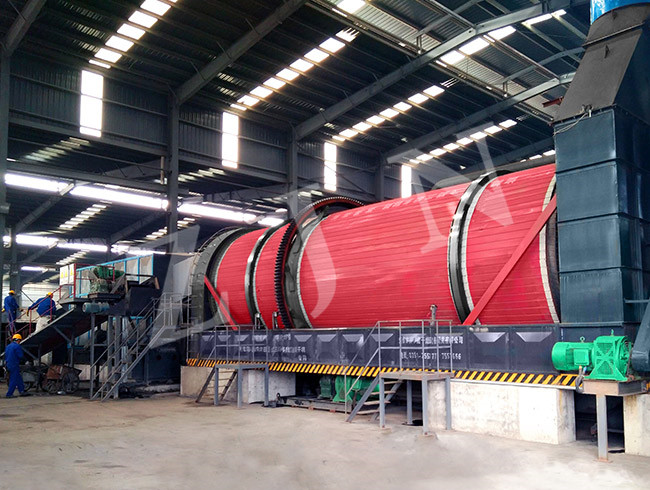
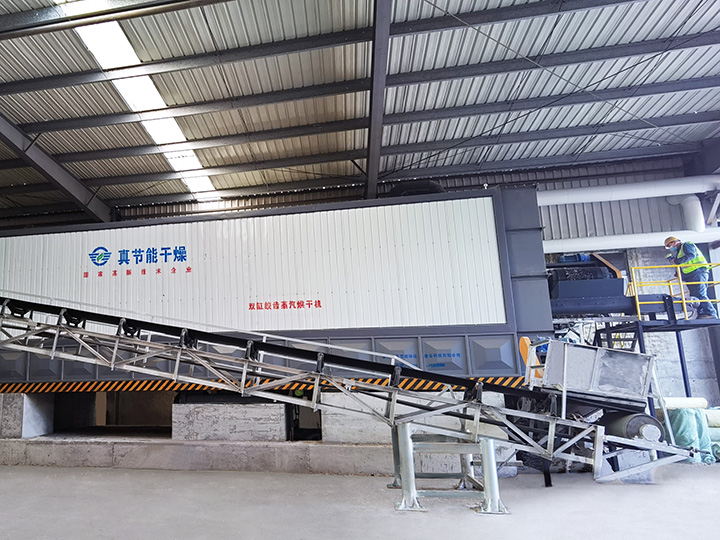
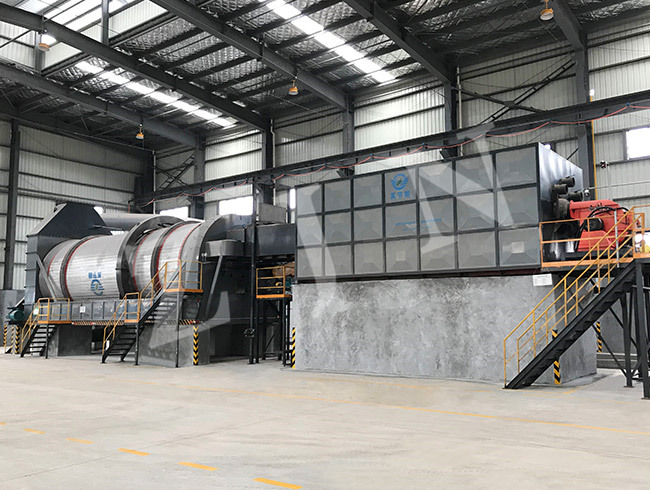
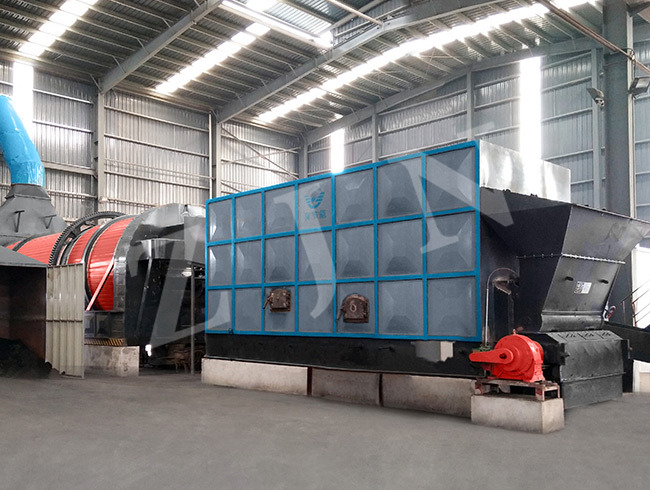
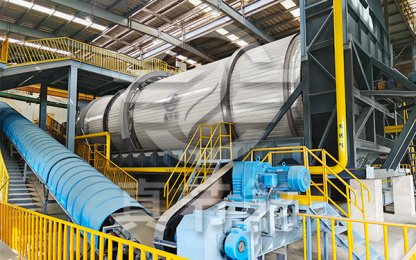
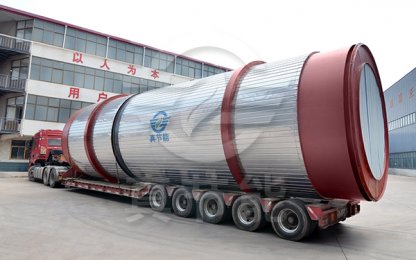
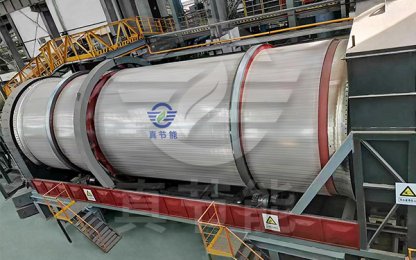
In chemical industry production, sludge disposal has long been a pressing problem. As environmental standards continue to rise, the treatment of chemical sludge no longer stops at simple filter pressing or stockpiling; it is moving toward higher efficiency and greater energy savings. As an important approach to chemical sludge treatment, drying equipment has been widely applied in sludge treatment systems. Sometimes, however, we encounter the problem of a finished product that will not dry through, which not only affects production efficiency but may also lead to environmental pollution. This article examines the causes of under-dried product in chemical sludge drying equipment and puts forward corresponding solutions.
I. Common causes of under-dried product
1. Sludge moisture content too high
Chemical sludge usually contains a large amount of water. Even when drying equipment is used, if the sludge itself has an excessively high moisture content, the drying capacity of the equipment often cannot meet the demand, and the drying process cannot be completed. This is especially true when the sludge contains a large amount of volatile substances, which makes water evaporation even more difficult and directly affects the drying result.
2. Unreasonable parameter settings on the drying equipment
The design and operating parameters of drying equipment directly affect the drying result for sludge. If parameters such as temperature, humidity, and air velocity are set inappropriately, the product may fail to dry. For example, a temperature that is too low leads to insufficient evaporation, while an air velocity that is too slow may impair air circulation and slow down the dewatering rate. In addition, poorly controlled operating time and humidity can also leave the finished product under-dried.
3. Equipment failure or performance degradation
Drying equipment in long-term service may show wear or a decline in performance. When key components such as the heat exchange system, heating elements, or fans fail, the drying effect of the equipment drops sharply. For instance, a failure in the heating system causes temperature instability, and a fan failure causes poor air circulation; both affect the drying result for sludge.
4. Insufficient sludge pretreatment
Chemical sludge usually contains a relatively large amount of chemical components, and these substances hinder water evaporation. If effective pretreatment — such as dewatering or concentration — is not carried out before drying, the water in the sludge will be difficult to remove completely, and the drying result will be unsatisfactory. This is particularly true of certain highly adhesive or oily sludges, which dry poorly without proper pretreatment.
5. Improper operation
The skill level and operating experience of operators also directly affect the drying result for sludge. Improper practices such as overloading, frequent switching on and off of the equipment, and a lack of regular inspections can all cause unstable operation and, in turn, affect the drying result of the finished product.
II. Solutions
1. Control the moisture content of the sludge
Before using drying equipment, enterprises can reduce the moisture content of the sludge by installing dewatering equipment or adopting concentration treatment. By means of mechanical filter pressing, centrifugal separation, or chemical coagulation, free water and bound water in the sludge are reduced, thereby improving drying efficiency. Controlling the moisture content of the sludge generally improves drying efficiency and makes the finished product easier to dry.
2. Adjust equipment parameters
To ensure that the drying equipment works properly, the operating parameters should first be adjusted according to the type and properties of the sludge. Raising the drying temperature, increasing the air velocity, and optimizing humidity control are effective measures for improving the drying result.
3. Inspect and maintain the equipment regularly
Maintenance of drying equipment is very important. Key components such as the heat exchanger, heating elements, and fans should be inspected regularly to ensure they are in good operating condition. If the equipment fails, it should be repaired or replaced promptly. Ensuring a stable heat source supply and normal fan operation effectively improves the drying result.
4. Strengthen sludge pretreatment
For sludge that is highly adhesive, highly oily, or high in chemical component concentration, thorough pretreatment should be carried out before it enters the drying equipment. By means of dewatering, concentration, or chemical treatment, the moisture in the sludge is reduced and the load on the drying equipment is lowered, creating more favorable conditions for subsequent drying.
5. Strengthen operator training and management
The skill level of operators directly affects how well the equipment runs. Operators should therefore be trained regularly to improve their operating skills and their awareness of equipment maintenance. In addition, enterprises should establish sound operating procedures and ensure that operators follow the equipment manual strictly, so as to avoid under-drying caused by human factors.
The causes of under-dried product in chemical sludge drying equipment are varied. To ensure that the sludge drying result meets expectations, comprehensive analysis and targeted solutions are required before stable operation of the equipment can be achieved.