Heavy metal sludge often contains large amounts of toxic heavy metal elements. These elements not only pose a great hazard to the environment but also increase the working load on drying equipment. To ensure that heavy metal sludge dryers can operate stably over the long term, optimization must be carried out in multiple areas, including equipment design, operational management, and routine maintenance. This article examines how to keep a heavy metal sludge dryer running stably over a long period.
I. Select the right drying equipment
Heavy metal sludge has a complex composition and contains a relatively high level of metallic substances and chemical components. When selecting drying equipment, it is therefore necessary to consider whether the equipment can withstand harsh operating conditions of high corrosiveness, high temperature, and high humidity. First, the materials of construction must have good corrosion resistance — for example, stainless steel or corrosion-resistant materials should be used for the components that come into contact with the sludge. In addition, the heat exchange system, heating elements, and exhaust device should be reasonably designed to prevent certain harmful components in the heavy metal sludge from corroding or clogging the equipment.
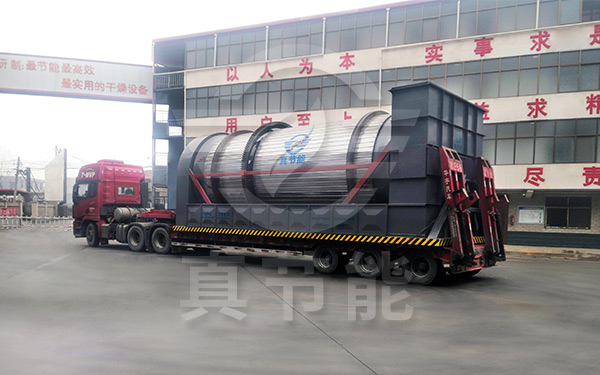
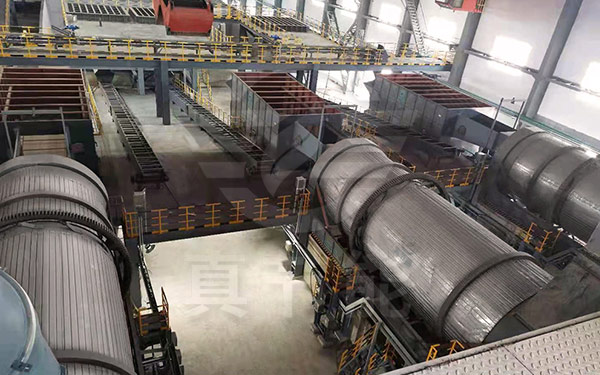
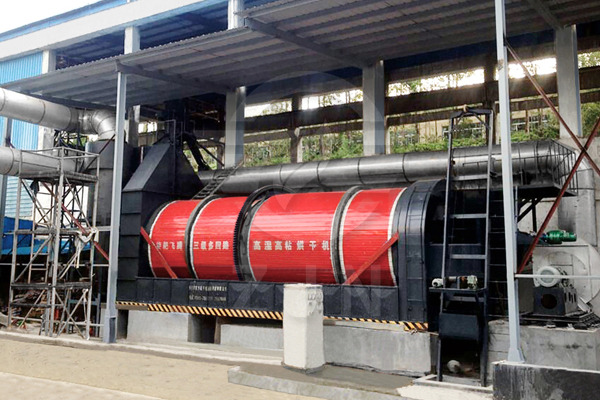
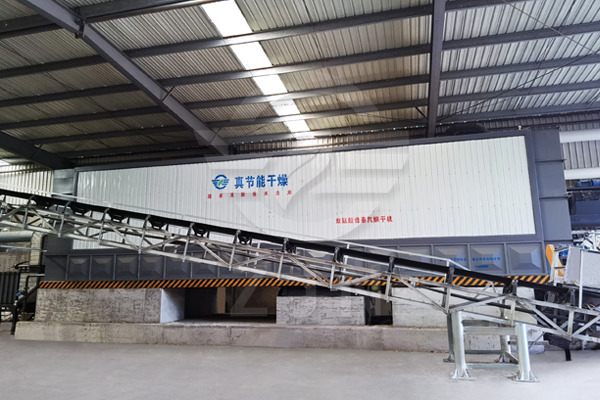
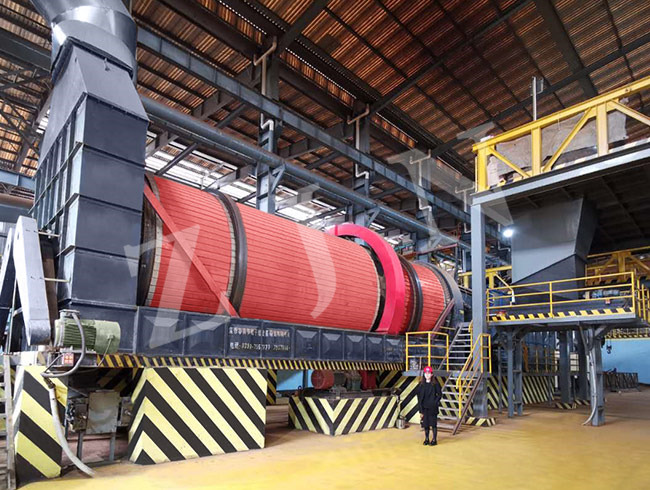
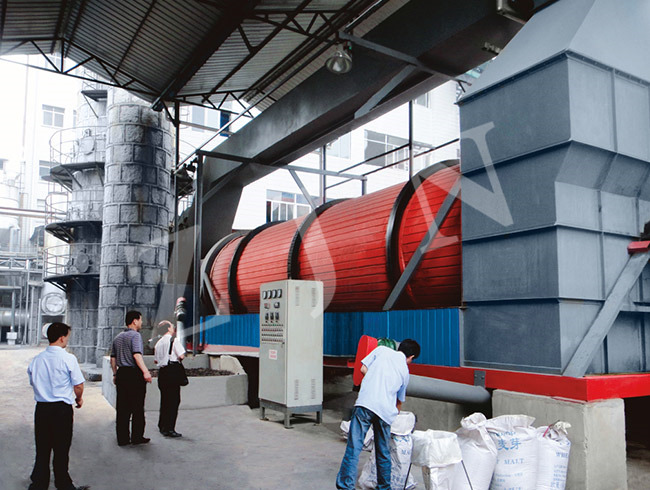
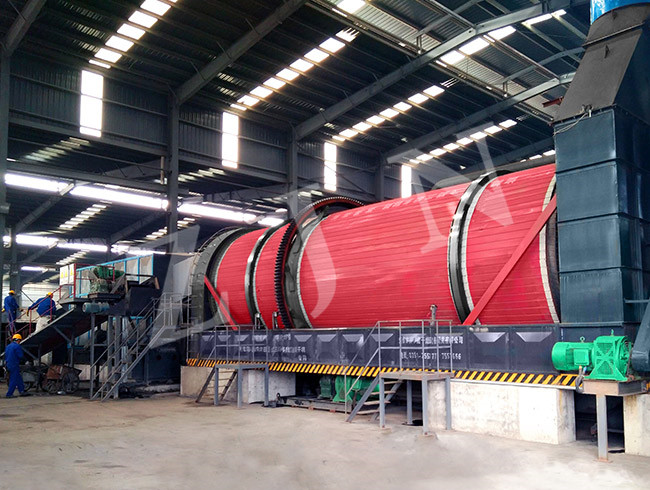
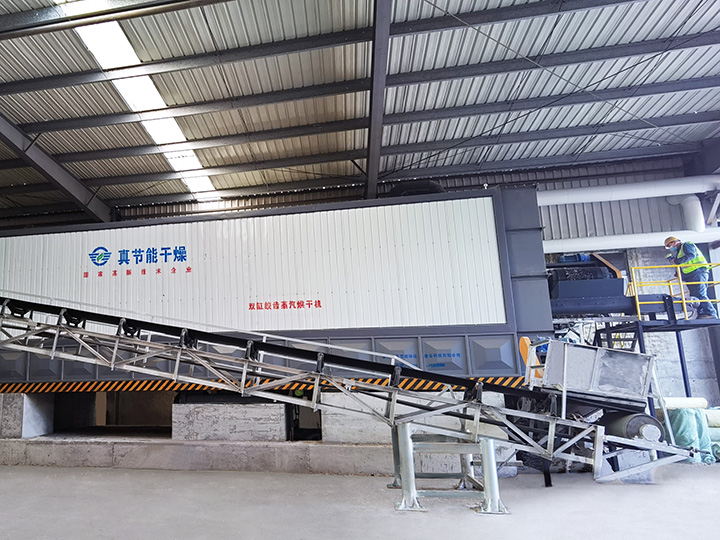
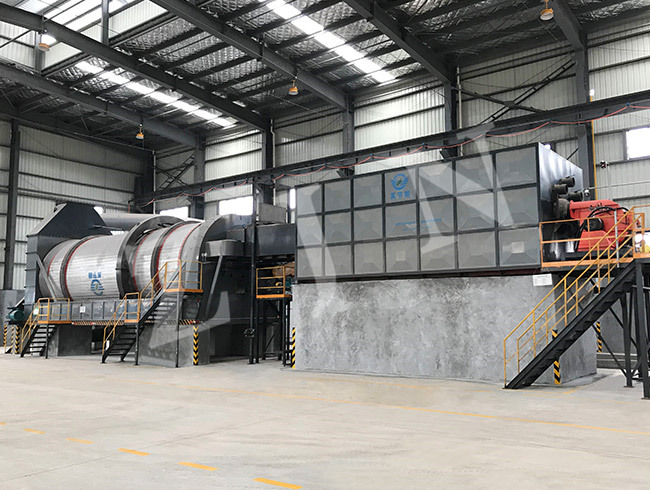
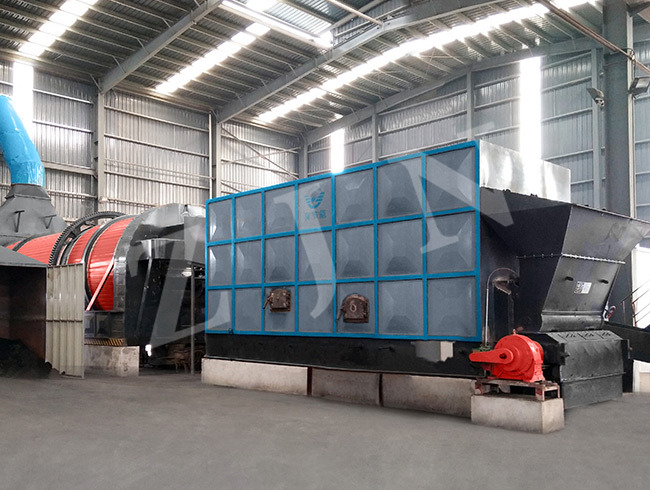
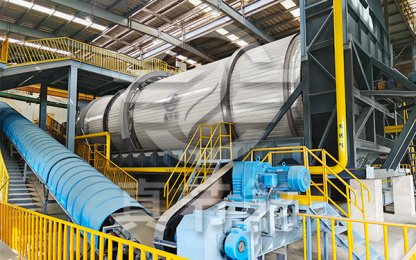
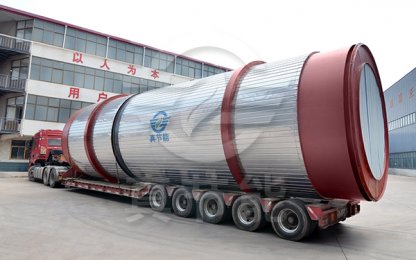
As for the type of equipment, the Rotary-Rake Feiteng three-stage multi-loop heavy metal sludge dryer is widely used. When handling sludge containing heavy metals, this equipment provides uniform heating, reduces heat loss, improves drying efficiency, and effectively prevents secondary pollution of the sludge caused by excessively high temperatures.
II. Properly control drying temperature and time
Drying temperature and time are key factors affecting the drying result for heavy metal sludge. A temperature that is too high not only causes volatilization and pollution of heavy metals but may also damage the internal components of the equipment. Conversely, a temperature that is too low prevents the water in the sludge from evaporating completely and affects the drying result. Drying temperature and time therefore need to be controlled flexibly according to the properties of different heavy metal sludges.
In actual operation, an automatic control system can be used to monitor and regulate the operating status of the equipment. The temperature control system should have high accuracy, so that the temperature can be adjusted in good time and overheating or underheating is prevented. Drying time should also be coordinated with temperature to avoid over-drying or insufficient drying.
III. Strengthen sludge pretreatment
Heavy metal sludge usually has a high moisture content, and sludge that has not been thoroughly dewatered and enters the dryer directly will greatly increase the load on the equipment. The pretreatment stage includes dewatering, concentration, and, where necessary, stabilization of the sludge. Dewatering equipment such as filter presses, centrifuges, and belt dewatering machines can effectively reduce the water content of the sludge and lower the energy consumption required for drying.
IV. Regular maintenance and overhaul
To ensure the long-term stable operation of a heavy metal sludge dryer, regular equipment maintenance and overhaul are essential. After prolonged operation, drying equipment may suffer from dust accumulation, scaling, and wear of components. In particular, the harmful gases and corrosive substances that heavy metal sludge may generate during drying can easily damage the equipment.
V. Application of automatic control systems
Modern automatic control systems can significantly improve the operational stability of heavy metal sludge dryers. Through an automatic control system, parameters such as temperature, humidity, and air velocity can be monitored in real time and the operating status adjusted promptly, avoiding human operating errors. At the same time, through data analysis and a fault warning system, an automatic system enables early fault diagnosis and maintenance, reducing equipment downtime.
VI. Strengthen operator training
The long-term stable operation of equipment depends not only on the hardware but also on operators having solid professional knowledge and operating skills. Operators need to be familiar with the characteristics of heavy metal sludge and to master the operating principles and maintenance methods of the equipment. Through regular training, operators should be able to identify equipment faults promptly and make effective adjustments. At the same time, operators should follow the equipment operating procedures strictly, so as to avoid overloading the equipment through overfeeding or improper operation, which would otherwise affect the service life and stability of the equipment.