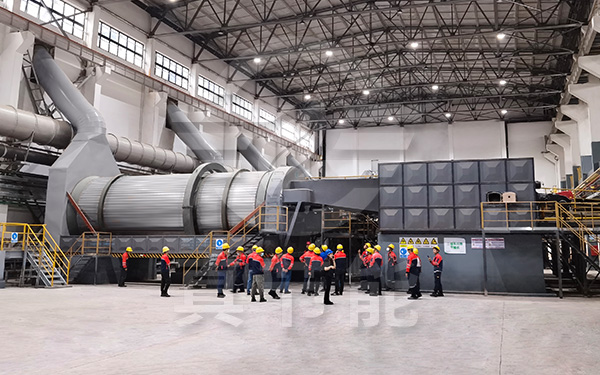
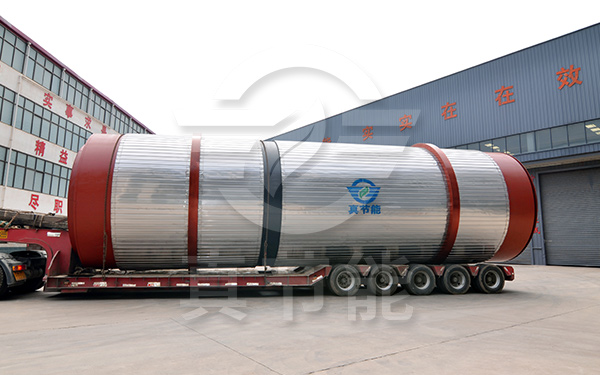
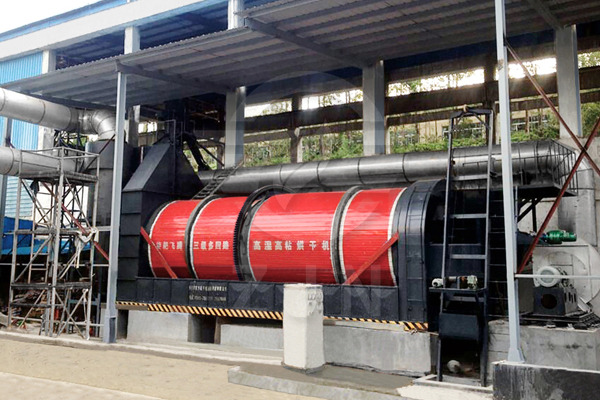
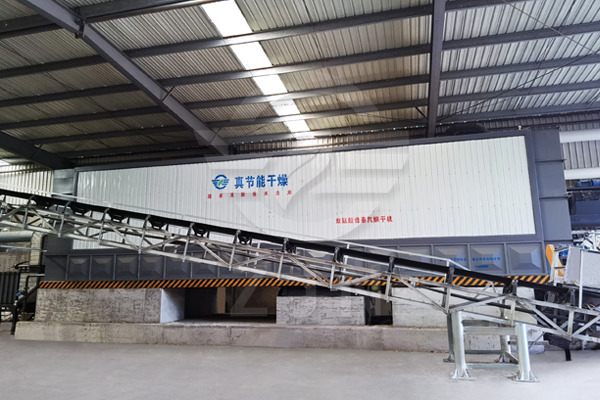
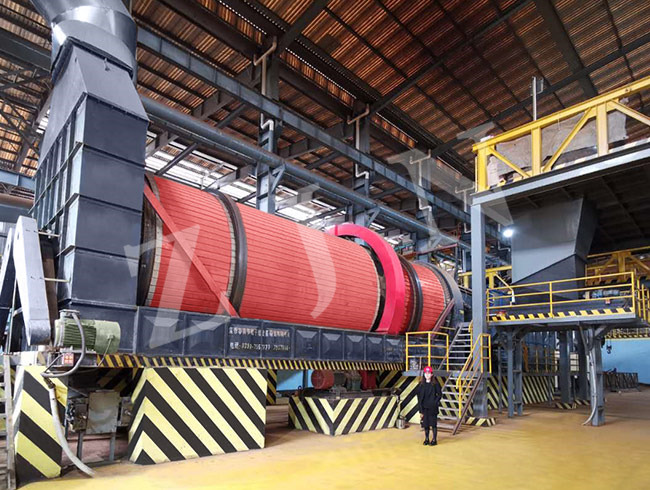
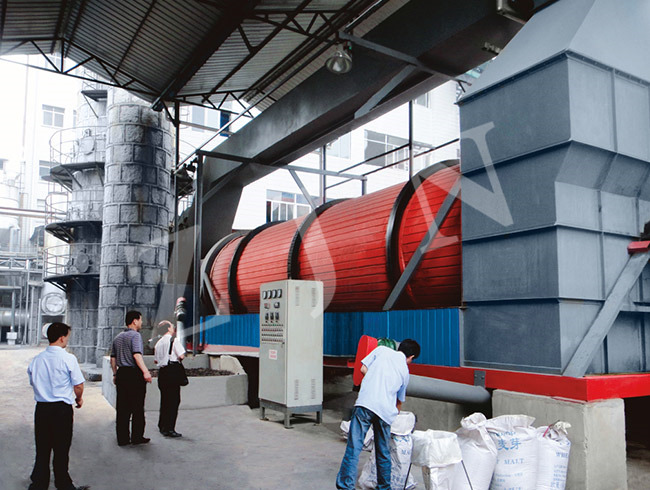
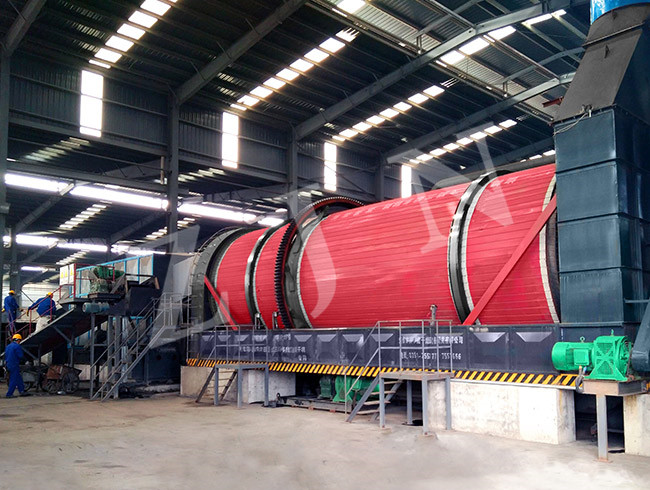
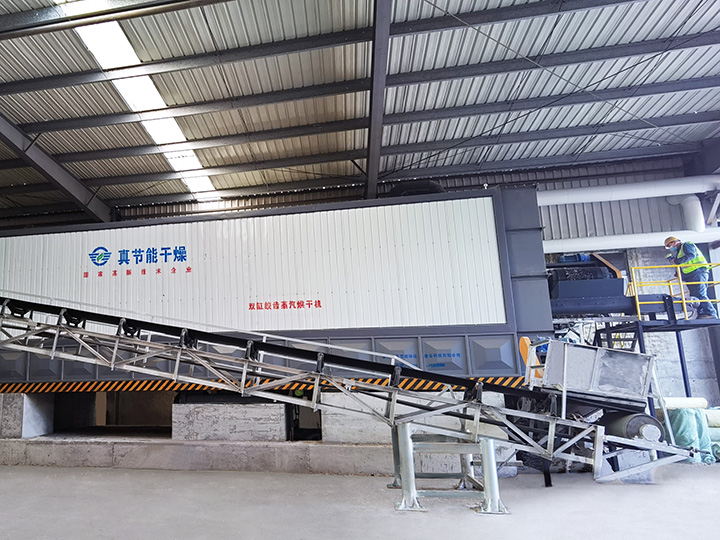
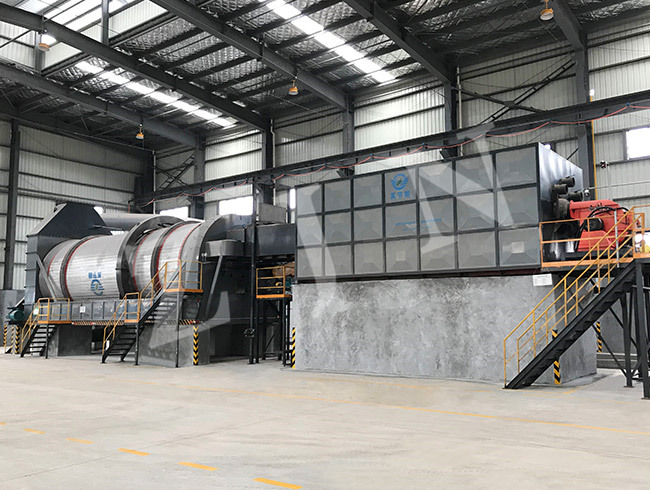
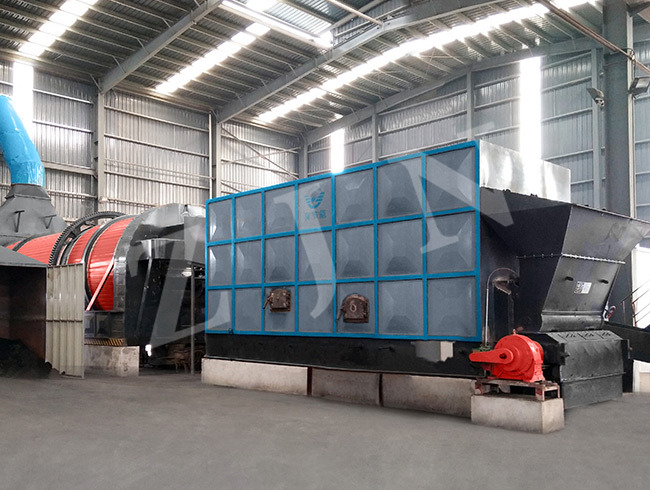
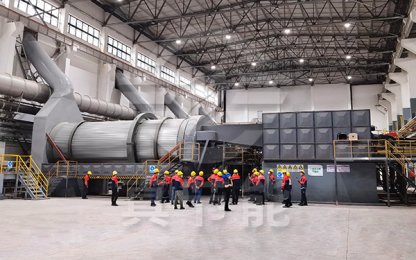
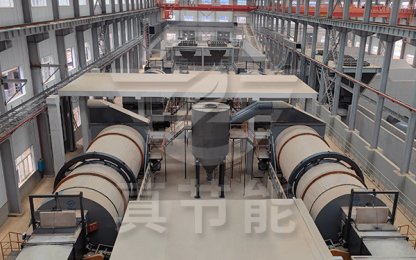
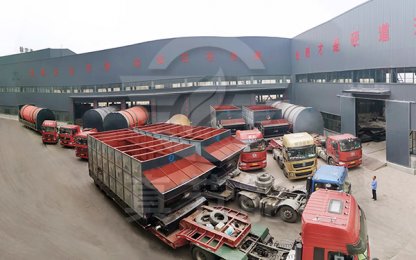
A chemical sludge drying machine is an environmentally friendly, energy-saving sludge drying and treatment device. It is widely used for drying high-moisture, high-adhesiveness sludge in industries such as chemicals, pharmaceuticals, electroplating, papermaking, building materials, and metallurgy. The complete system of a chemical sludge drying machine mainly consists of the following parts: the main drying body, the heat supply system, the conveying system, the dust removal system, and the electrical control system. The following sections describe each of these in detail.
1. Main drying body
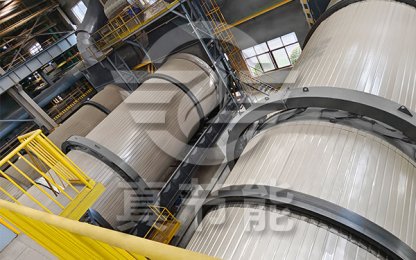
The main drying body is the most important part of the complete chemical sludge drying machine system. It mainly includes the rotary drum, the front and rear end sealing devices, the scattering device, the material lifting device, the riding rings, and the motor. The rotary drum is made of wear-resistant, high-temperature-resistant stainless steel, ensuring good structural stability and service life under harsh conditions of high temperature, high humidity, and high corrosiveness. The interior of the drum is also rationally designed, with a special scattering device and spirally arranged material guiding and lifting plates, which can effectively improve the sludge drying result. The front and rear end sealing devices are designed to prevent heat loss from inside the drum and to prevent sludge dust from leaking out, thereby safeguarding the sealing performance of the equipment.
2. Heat supply system
The heat supply system is the device that provides the heat required for drying sludge. Its function is to feed the heat energy generated by the combustion of fuels such as coal, oil, gas, and biomass pellets through a fan into the drum of the chemical sludge drying machine, where it fully mixes with the wet sludge so that the wet sludge is heated and its moisture evaporates. The hot air furnace is a common heat supply device at present; it mainly includes a combustion chamber and a heat exchanger. Heat supply equipment should be characterized by good combustion performance, high thermal efficiency, and low emission levels, and the structural design between the furnace body and the drying drum should ensure that the heat is fully utilized.
3. Conveying system
The conveying system is used to convey the sludge material into the drying drum and to convey the dried material out. It mainly includes the feeding device and the discharging device. The feeding device may use equipment such as a bucket elevator or a belt conveyor to feed the sludge material into the drying drum; the discharging device may use equipment such as a screw conveyor or a belt conveyor to convey the dried material out of the equipment. The conveying system should be rationally designed to ensure continuous and uniform material conveyance as well as reliable and durable equipment operation.
4. Dust removal system
The main function of the dust removal system is to collect, purify, and treat the dust-laden waste gas generated during drying, to prevent secondary pollution, and at the same time to ensure normal operation of the chemical sludge drying machine. The dust removal system mainly includes cyclone dust collectors, bag filters, wet dust collectors, and scrubber towers. It should be rationally designed so that it can effectively collect and treat various kinds of dust-laden waste gas while also featuring low operating cost and good stability.
5. Electrical control system
The electrical control system is the control core of the complete chemical sludge drying machine. It mainly includes temperature controllers, flow meters, pressure gauges, and electrical components. Through automatic control and monitoring, it keeps the equipment in a safe and stable operating state.
In summary, the complete system of a chemical sludge drying machine mainly includes the main drying body, the heat supply system, the conveying system, the dust removal system, and the electrical control system. These components work together to form a complete sludge drying and treatment system.