With the development of industry and the continuous tightening of environmental protection requirements, sludge treatment and disposal have become an important issue that enterprises must address in the course of their development. Traditional methods such as sun-drying and incineration no longer meet today's sludge disposal requirements, and the low-temperature sludge dryer has therefore emerged in response to this need. This article briefly introduces the operating principle and price situation of low-temperature sludge dryers, in the hope of being of help to readers.
I. Operating principle of the low-temperature sludge dryer
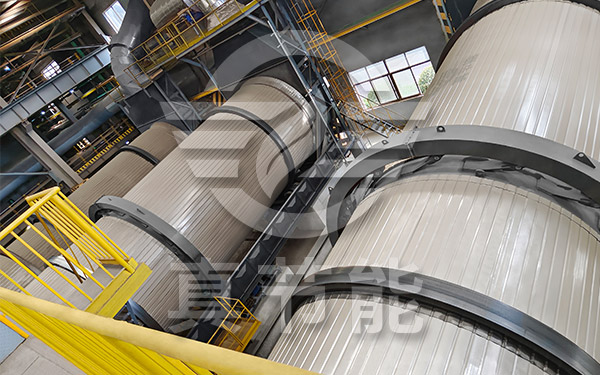
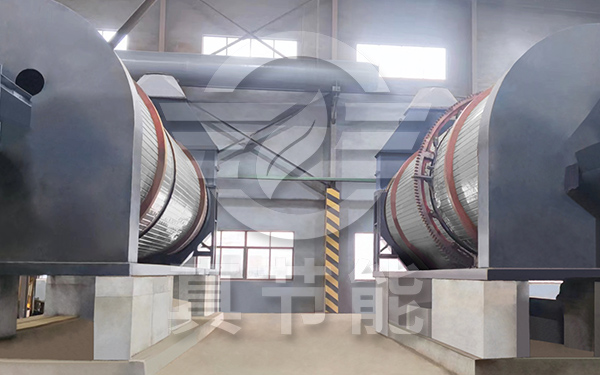
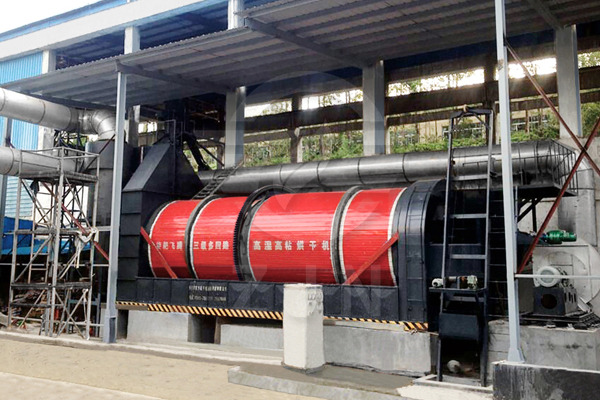
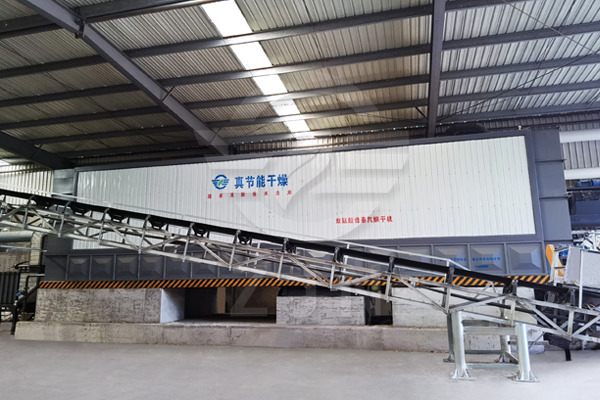
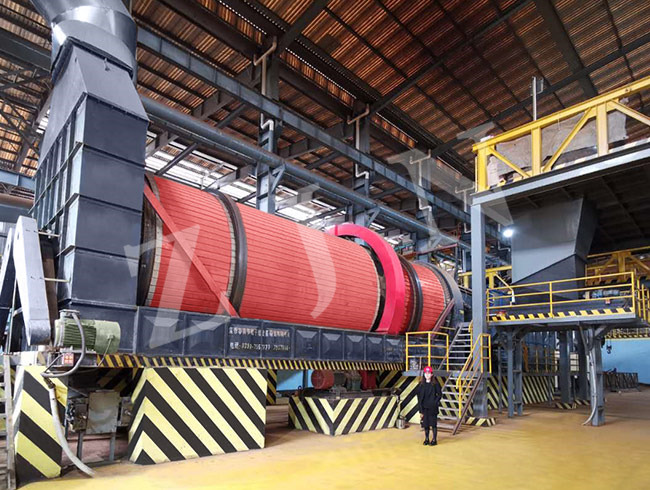
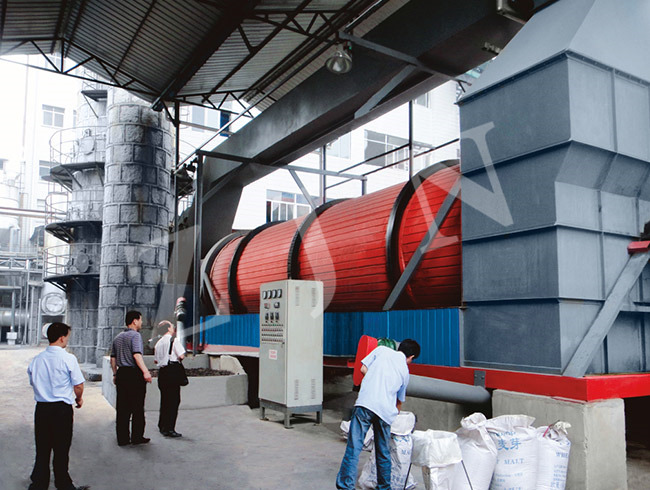
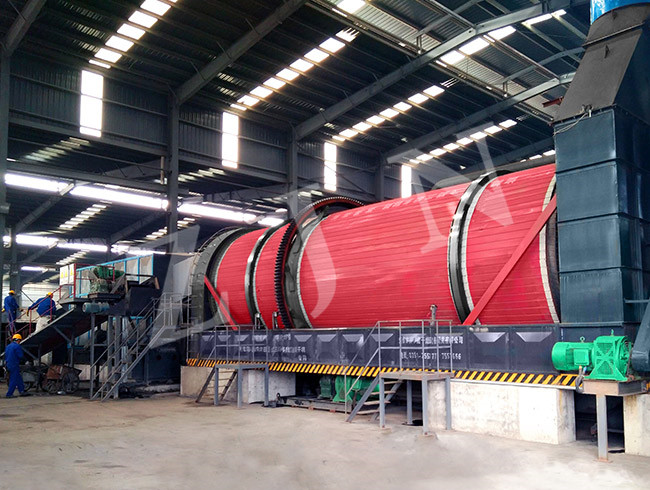
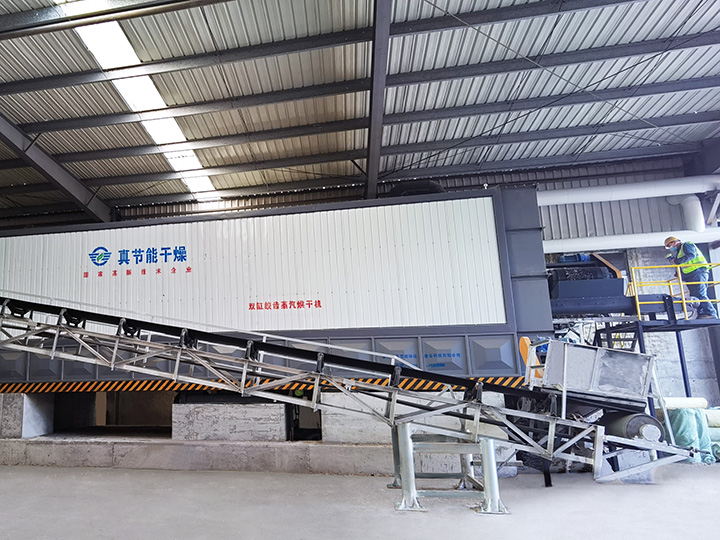
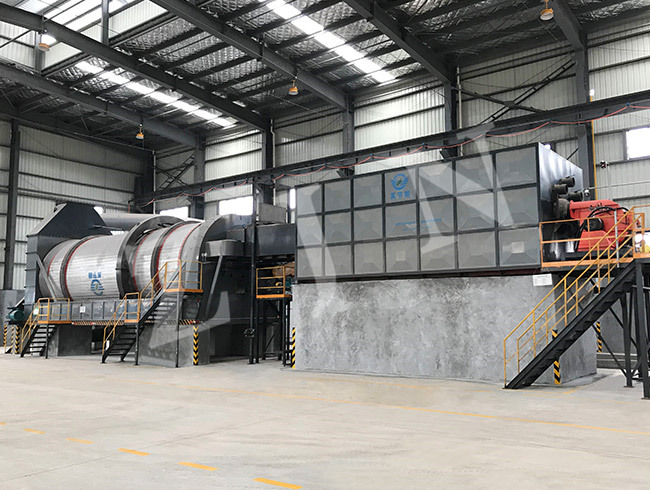
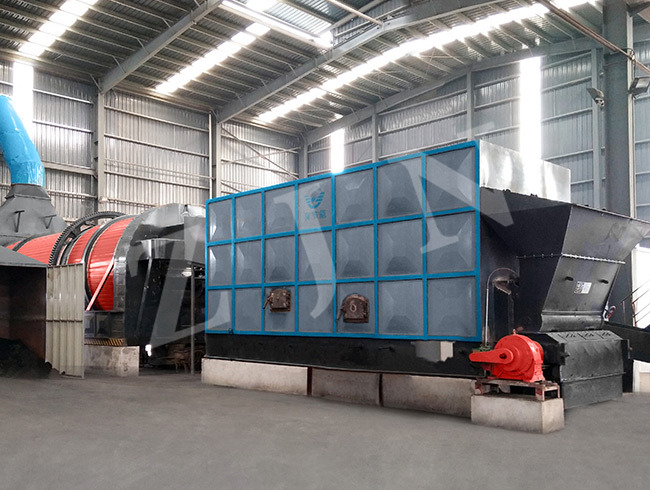
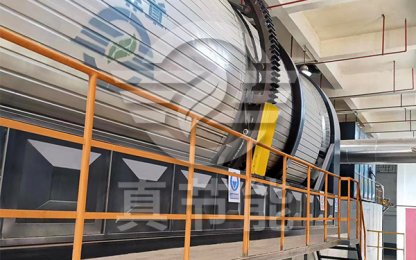
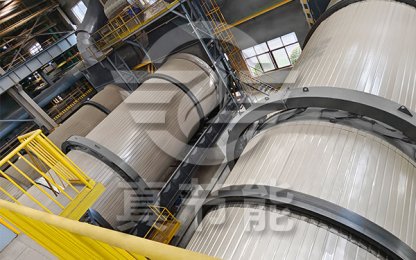
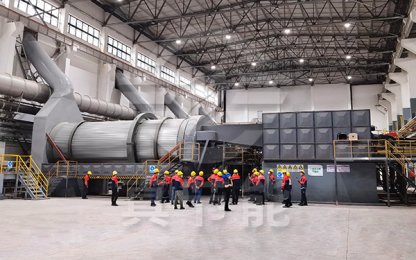
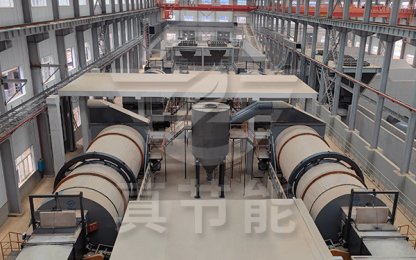
The low-temperature sludge dryer adopts a special "low temperature with high air volume" drying technology. It places modest demands on the heat supply temperature and achieves dewatering, drying, and harmless treatment of sludge by increasing the air volume. During sludge treatment, wet sludge is fed by the feeding device into the rotary drum; large lumps of wet sludge are crushed into small particles by the scattering device installed inside the drum and then, under the action of the material guiding and lifting device, are continuously tumbled, lifted, and dropped, so that the wet sludge and the hot air mix thoroughly. Increasing the air volume in this way raises the sludge drying efficiency and thus achieves harmless disposal of the sludge. The waste gas generated during operation of the low-temperature sludge dryer is purified through multi-stage dust removal equipment and discharged only after meeting environmental standards.
II. Price of the low-temperature sludge dryer
The price of a low-temperature sludge dryer is affected by a variety of factors, such as the size of the equipment, its production capacity, and its material of construction. Overall, however, the price of low-temperature sludge dryers has the following characteristics:
1. Price varies with equipment size and production capacity.
A small low-temperature sludge dryer is suited to small sludge treatment projects. Its processing capacity is smaller and it requires fewer materials and less equipment, so its price is relatively low. A large low-temperature sludge dryer is used for larger-scale sludge drying projects. Its processing capacity is greater and its price is correspondingly higher.
2. Material of construction affects price.
The materials used in low-temperature sludge dryers include carbon steel and stainless steel. Carbon steel is lower in price, while stainless steel offers better corrosion resistance, durability, and high-temperature resistance. Good stainless steel material is more expensive and correspondingly raises the price of the equipment. When purchasing, users can choose equipment with the material suited to their actual requirements.
3. Technology and configuration affect price.
As technology continues to advance, the technical level of low-temperature sludge dryers keeps improving, and equipment of a higher technical level is relatively more expensive. In addition, the configuration of the equipment also affects the price. For example, a low-temperature sludge dryer using imported components may be more expensive, but its performance and service life will be improved.
In summary, the low-temperature sludge dryer is an energy-saving, environmentally friendly sludge treatment device, and its special product advantages and treatment results have won wide recognition. When purchasing, users should also weigh their own requirements against the price of the equipment so as to buy equipment with high cost-effectiveness.