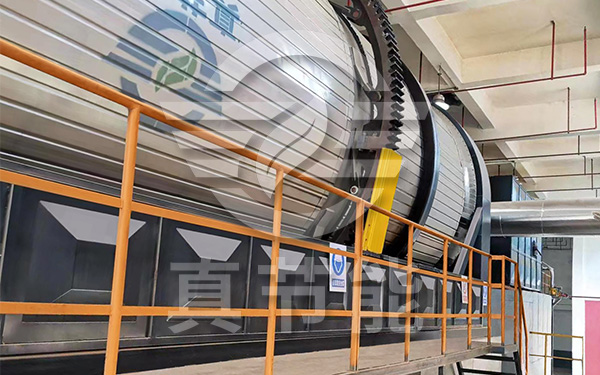
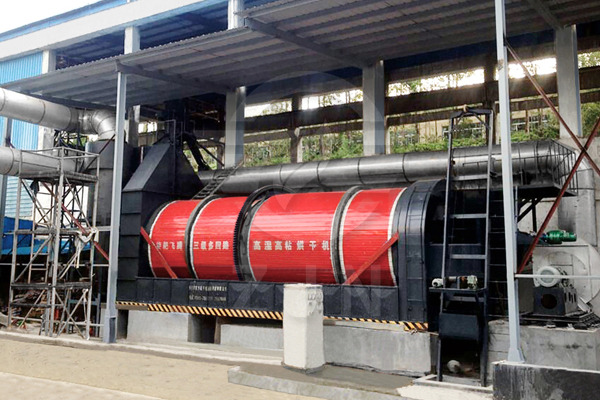
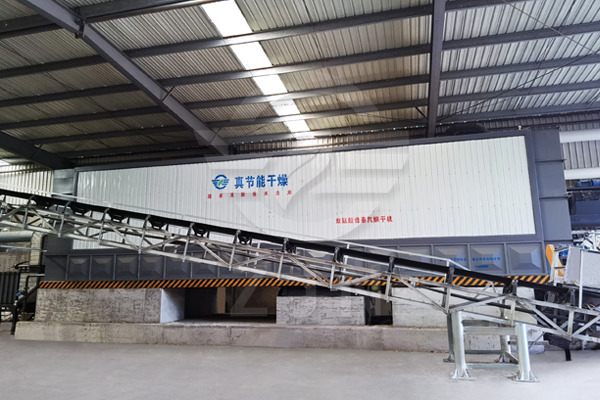
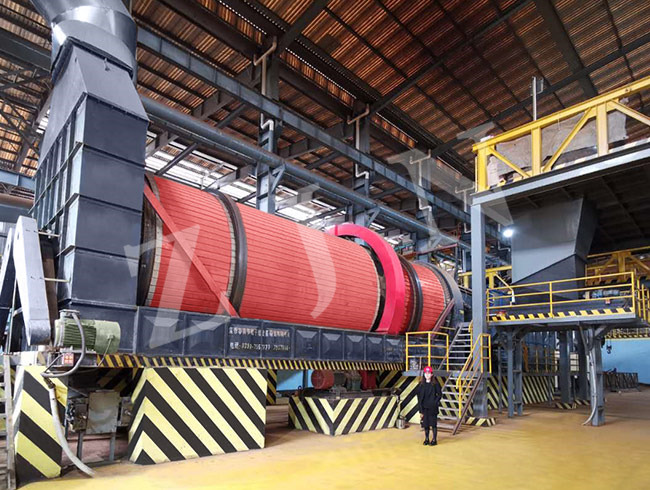
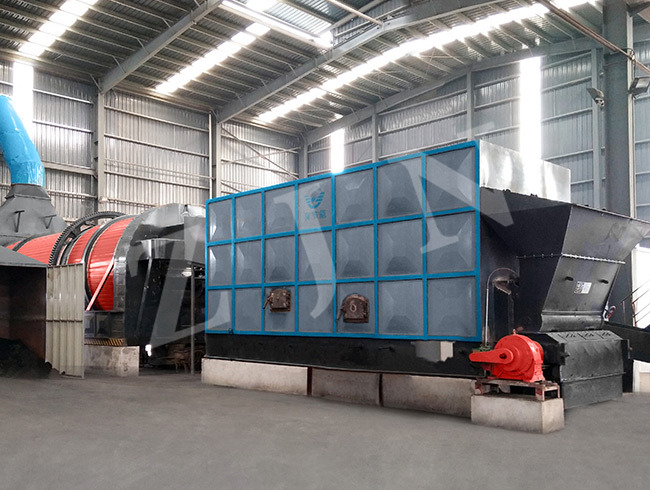
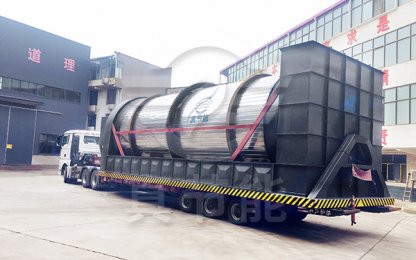
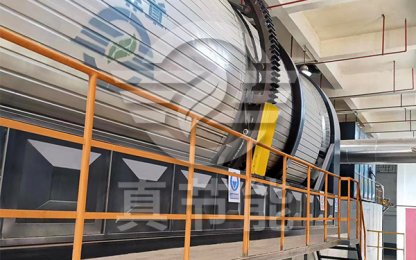
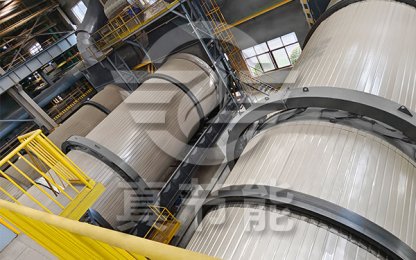
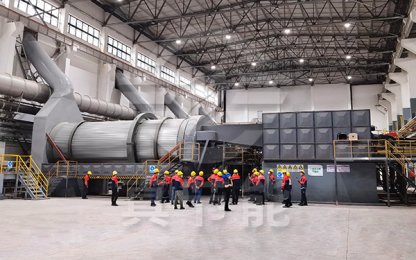
An electroplating sludge dryer can dewater and dry high-moisture, high-adhesiveness sludge such as electroplating sludge, heavy metal sludge, leather sludge, textile sludge, printing and dyeing sludge, municipal sludge, and domestic sludge. The dried electroplating sludge can be used to extract valuable metals, enabling full resource recycling. Normal operation of an electroplating sludge dryer, however, depends on a heat supply. The drying market currently uses fuels such as natural gas, steam, biomass pellets, oil, and boiler flue gas for heat supply. So what points should be considered when selecting a heat source for an electroplating sludge dryer?
1. Select a suitable heat source according to the heat demand
Different drying projects have different requirements. When choosing an electroplating sludge dryer, customers should therefore first establish the basic conditions of their own material — moisture content, output, adhesiveness, and required degree of drying. On the basis of these drying requirements, the electroplating sludge dryer manufacturer can recommend suitable drying equipment and a suitable heat source, and the customer can then choose according to actual circumstances. For example, in regions where natural gas is abundant and relatively cheap, natural gas can be used for heat supply; where waste steam or waste flue gas resources are available, these can also be used for heat supply; alternatively, customers can adapt to local conditions and choose a suitable heat source according to how easily it can be obtained.
2. Consider the cleanliness of the heat source
Because many electroplating sludge dryers currently use direct heating drying technology — that is, the hot air comes into direct contact with the material — if the requirements for the finished product of the material are relatively high, a cleaner heat source such as natural gas or biomass pellets can be used, which will achieve a better drying result. For electroplating sludge dryers using indirect heating drying technology, since the heat medium does not come into direct contact with the material, heat sources such as hot water, steam, or thermal oil can be selected according to available resources and the type of equipment. For drying projects that pursue cost-effectiveness and have lower cleanliness requirements, fuel oil or coal can be used as fuel, which is relatively economical.
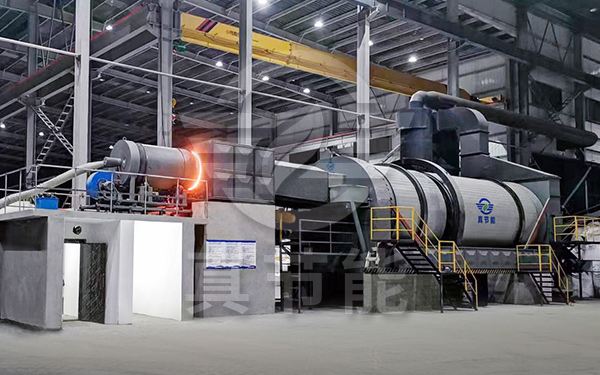
The above are the relevant points to consider when selecting a heat source for an electroplating sludge dryer. In addition, when purchasing an electroplating sludge dryer, users should pay close attention to the quality of the equipment. To see the quality of an electroplating sludge dryer directly, they can visit the manufacturer for an on-site inspection.