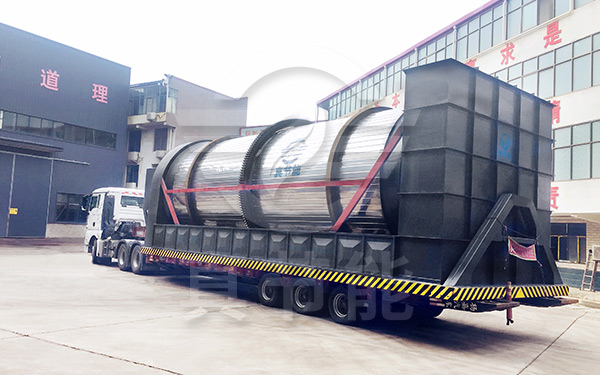
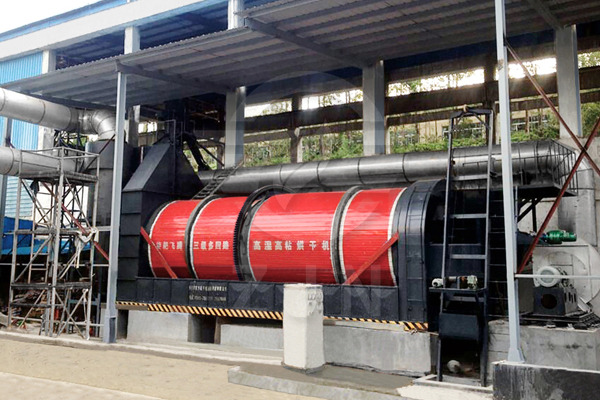
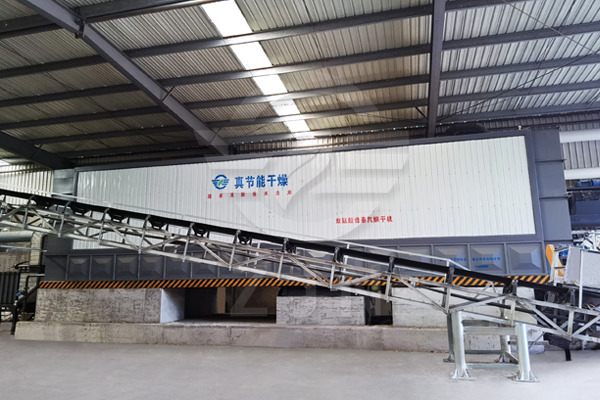
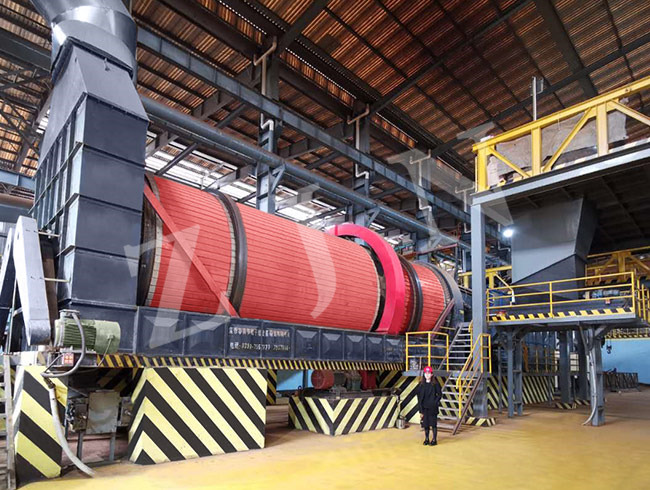
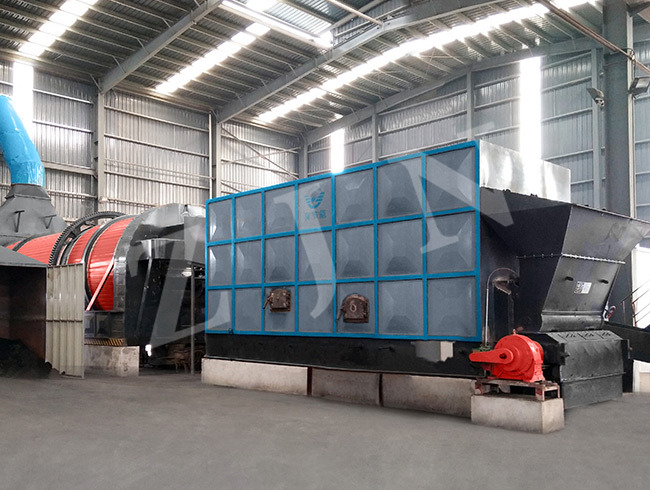
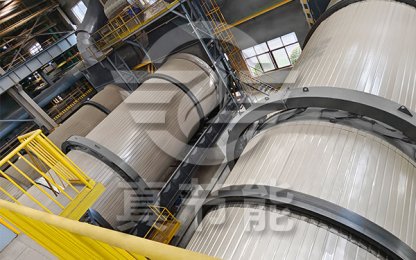
Drying and dewatering sludge with a metal sludge dryer is currently a fairly good method of sludge treatment and disposal. Selecting a suitable heat source when purchasing equipment not only ensures the sludge drying result but also saves considerable production costs, making the entire drying process more environmentally friendly and energy-saving. Heat sources available on the market for a metal sludge dryer include coal, oil, natural gas, biomass pellets, boiler waste heat, and waste steam. With so many heat sources to choose from, how should customers decide? This article briefly introduces the factors to consider when selecting a heat source for a metal sludge dryer.
1. Environmental factors
In recent years, the government has introduced a series of environmental protection policies, and requirements for tail gas emissions have become increasingly strict; in some areas, the use of coal is even prohibited. Customers should therefore pay particular attention when selecting a heat source for the metal sludge dryer. In addition, some fuels release large amounts of harmful gases such as sulfides and dust during combustion. To address the pollution caused by this waste gas, multi-stage dust removal equipment must be installed in the metal sludge drying production line to purify the waste gas, which may be discharged into the atmosphere only after meeting purification standards. To minimize the treatment load and cost of the waste gas, customers should therefore consider the environmental friendliness of the fuel when choosing a heat source and select energy sources that are as clean as possible.
2. Economics
When selecting a heat source for the metal sludge dryer, certain economic considerations should also be taken into account, including the transport cost, purchase cost, and production cost of the fuel. Reducing the input cost of the heat source appropriately can help customers obtain greater economic returns.
3. Operating convenience
Different heat sources operate in different ways. Some are very easy to feed, while others require the feed rate to be carefully controlled, and the calorific value of different fuels also differs. As far as possible, fuel should not be changed midway through operation of the metal sludge dryer. During production, operators should reasonably control the amount of fuel so as to keep the drum temperature stable while also ensuring the sludge drying quality.
The above are the factors to consider when selecting a heat source for a metal sludge dryer. In addition, ZJN Drying System Co., Ltd. kindly reminds you that when choosing a heat source, you should take into account the characteristics of your own material as well as the convenience, cleanliness, and economics of the fuel. Our company currently offers a variety of heat sources, including natural gas, coal, fuel oil, boiler tail gas, steam, biomass fuel, and other combustible gases. Friends in need are welcome to call for consultation.