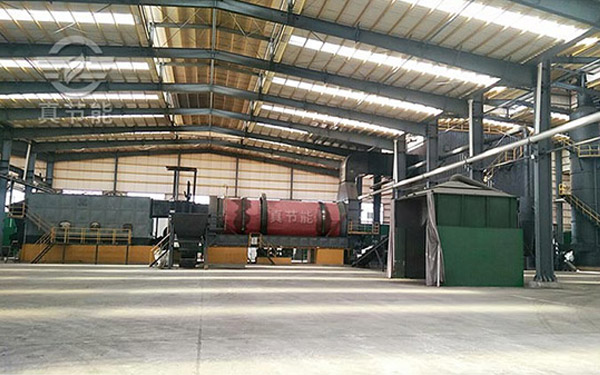
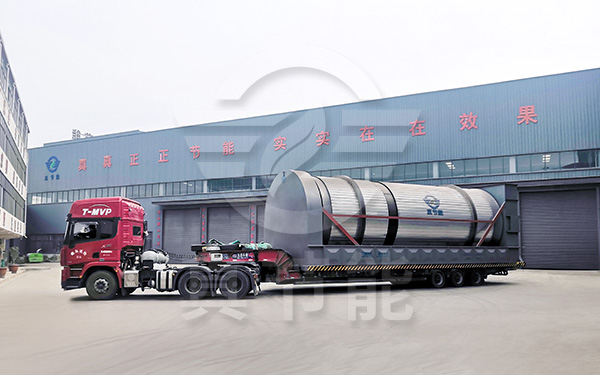
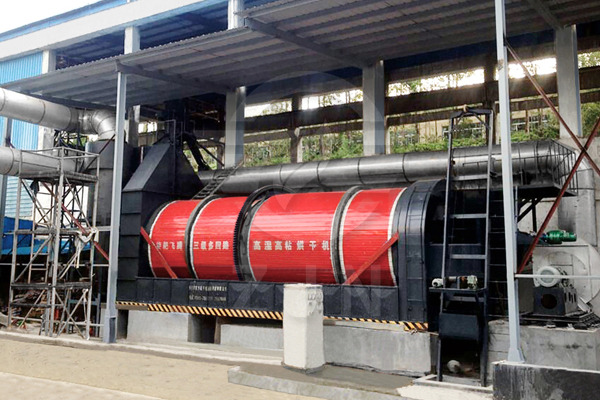
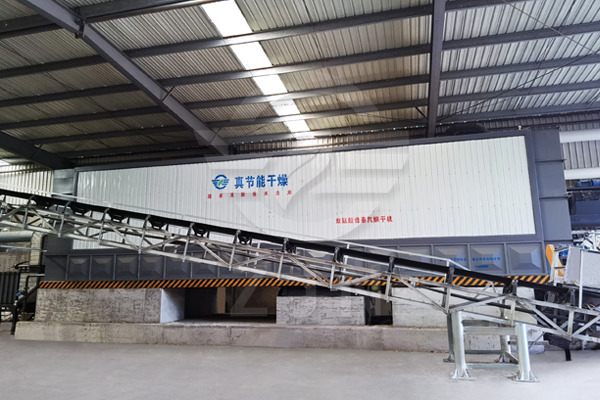
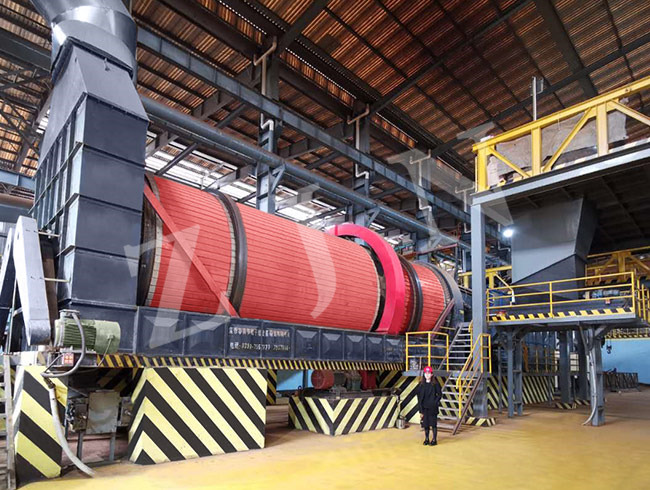
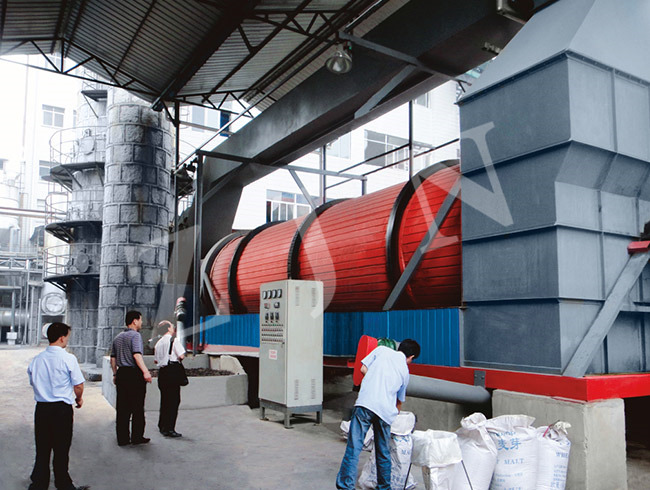
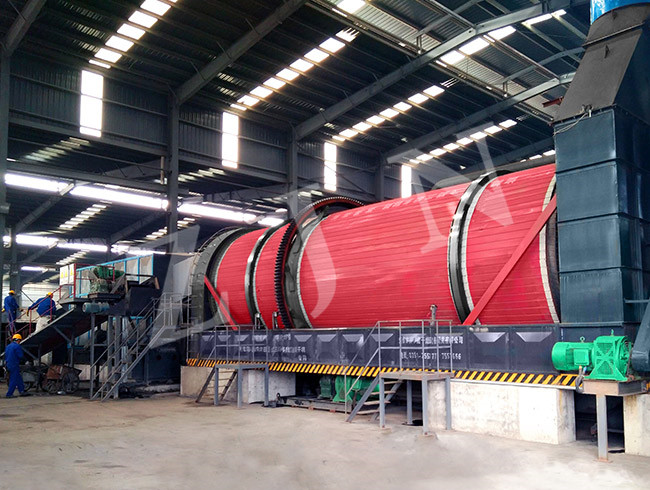
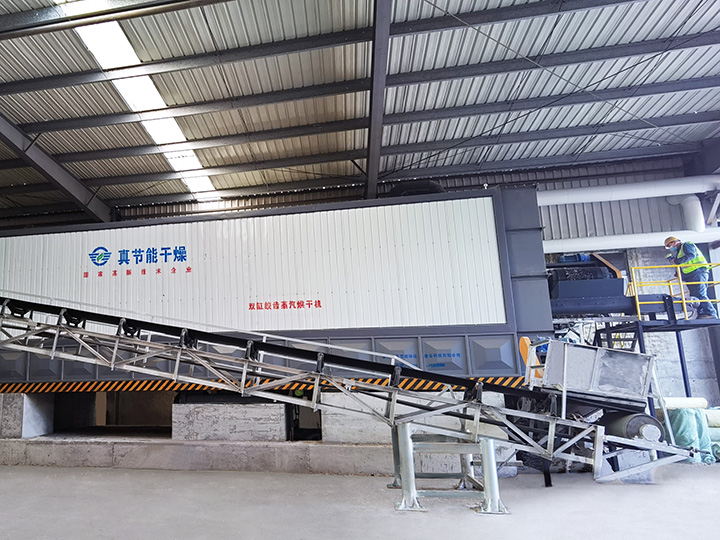
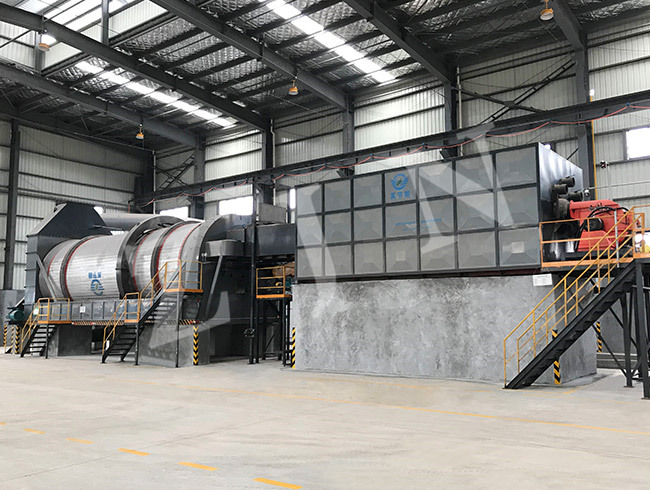
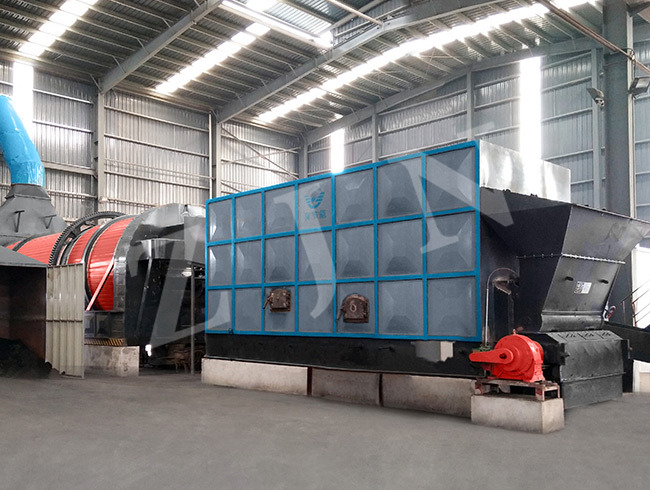
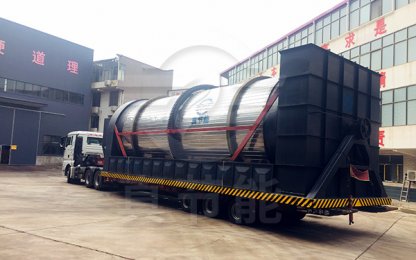
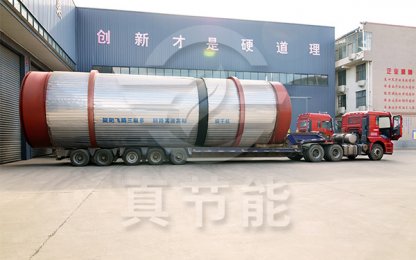
With the rapid development of the economy and the continuous acceleration of urbanization, sludge output keeps increasing, and municipal sludge drying treatment has become a new starting point for environmental governance. So what types of sludge can municipal sludge drying treatment equipment handle?
1. Municipal domestic sludge.This is sludge generated during the operation and maintenance of urban facilities related to urban life. Municipal domestic sludge contains a large amount of solid particles such as sediment, fiber, and animal and plant residues, as well as coagulated colloids, organic matter, microorganisms, and pathogens. If not treated in time, it will not only pollute the environment but also indirectly affect human health. Through processes such as dewatering, drying, and sterilization, municipal sludge drying treatment equipment can achieve the treatment and disposal goals of harmlessness, stabilization, volume reduction, and resource recycling of sludge.
2. Electroplating sludge. Electroplating sludge contains a large amount of heavy metal precipitates such as copper, chromium, iron, and nickel, and its composition is complex. If discharged at will, it will cause serious environmental pollution. After drying treatment by municipal sludge drying equipment, its volume and weight are greatly reduced, making it easier to further extract precious metals and achieve resource recycling.
3. Petrochemical sludge. Petrochemical sludge is the excess sludge generated during the production process of petrochemical enterprises. Its moisture content is as high as over 80%, and it contains a large amount of toxic and harmful substances, especially polycyclic aromatic hydrocarbons (PAHs), whose content seriously exceeds the standard. If it is not properly treated and disposed of, it will cause serious pollution to the environment. Municipal sludge drying treatment equipment can control its moisture content within a certain range, thereby further raising the use value of the sludge.
4. Papermaking sludge.Papermaking sludge has a high moisture content, a large fiber content, and a complex composition, making it difficult to treat and utilize. The traditional treatment method was simple stacking or landfill. As government environmental supervision continues to strengthen, enterprises are required to treat all kinds of sludge they discharge to meet standards before further disposal. Municipal sludge drying equipment can dry it and control its moisture content within a certain range, facilitating subsequent transport, storage, and resource recycling.
In addition, municipal sludge drying treatment equipment can also be used to dry leather sludge, activated sludge, organic sludge, coal slurry, textile sludge, pharmaceutical sludge, printing and dyeing sludge, and others; these will not be introduced one by one here. To learn more about the treatment scope of municipal sludge drying equipment, please visit the official website of ZJN Drying System Co., Ltd.