With the rapid development of the national economy, sludge dryers are being applied in an ever wider range of fields, helping enterprises handle industrial residual waste and achieve the treatment and disposal goals of sludge volume reduction, harmlessness, stabilization, and resource recycling. There are many types of sludge dryers on the market, and the drying processes of different types of drying equipment differ considerably. So which sludge drying equipment is more energy-efficient?
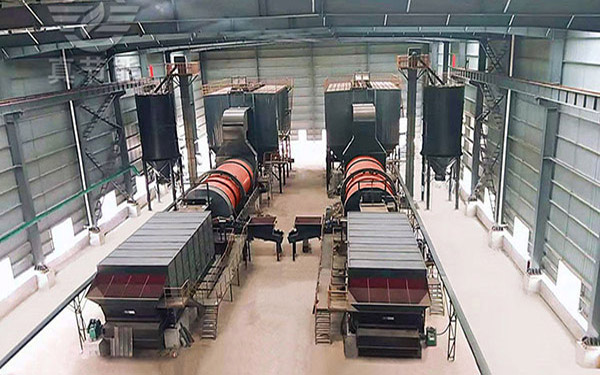
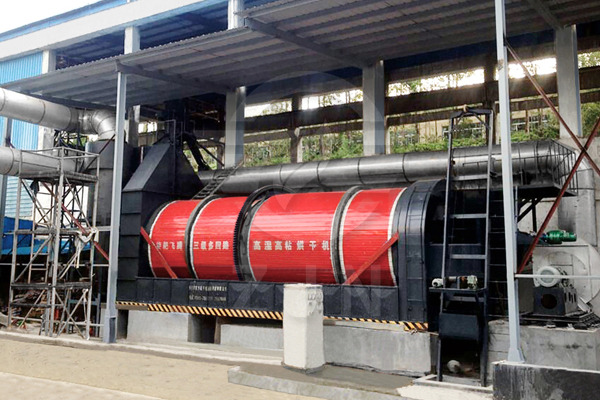
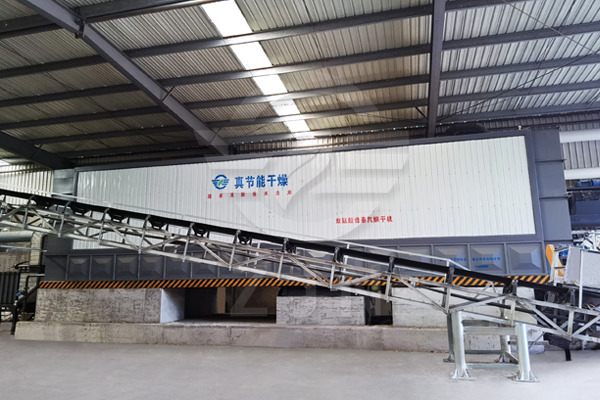
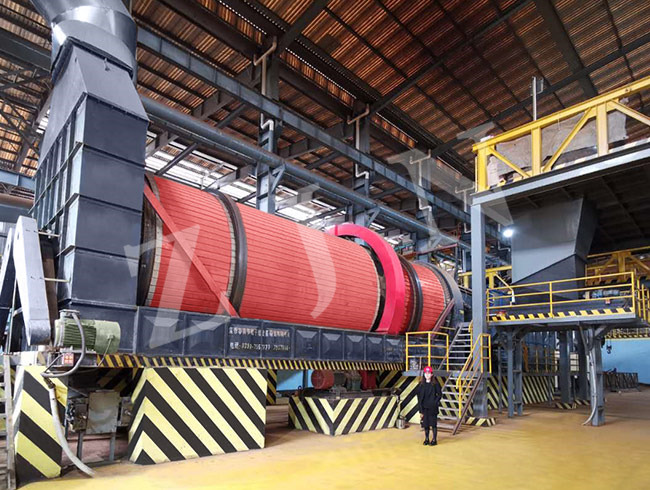
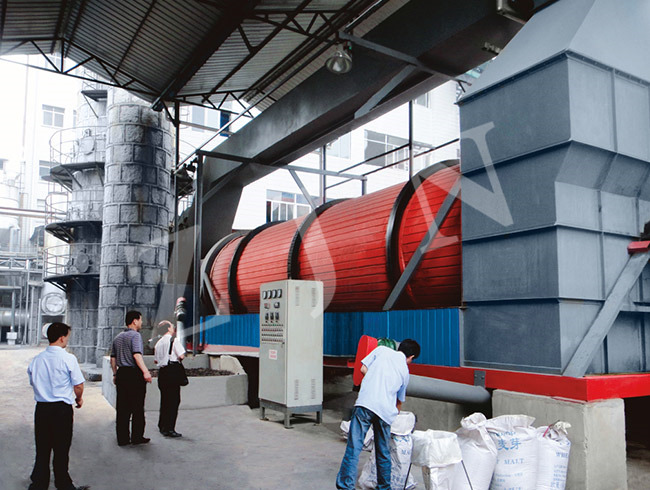
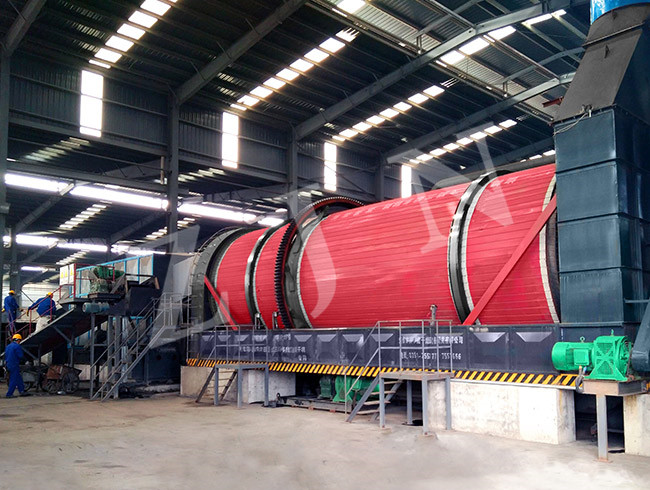
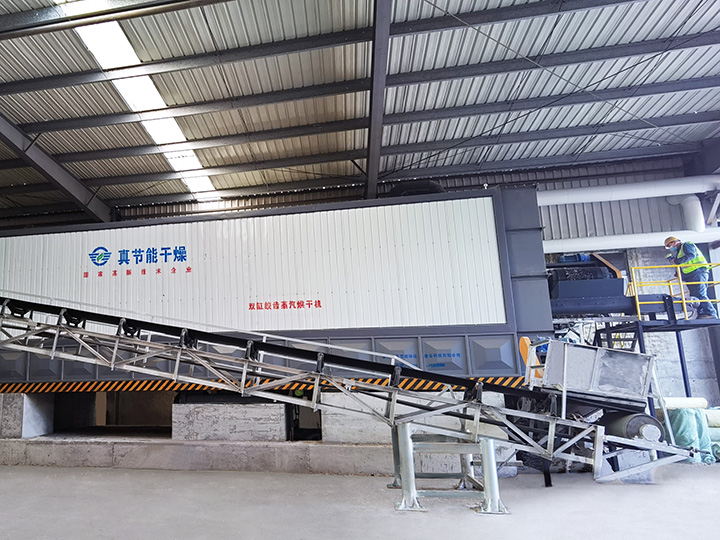
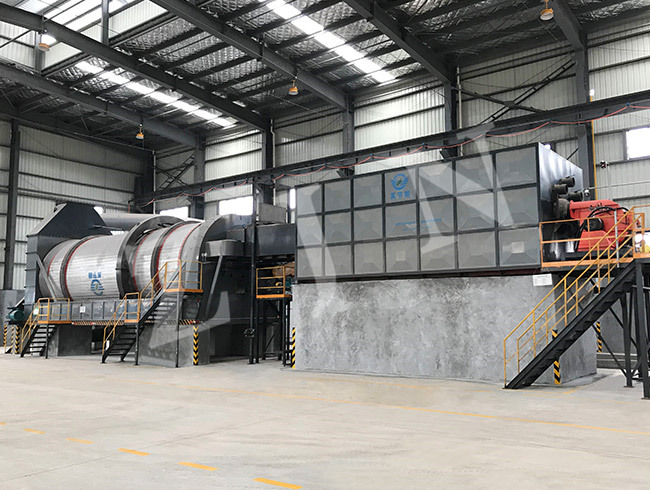
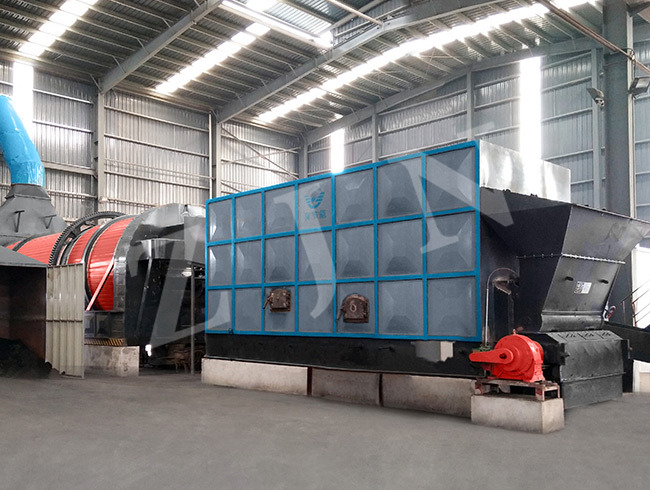
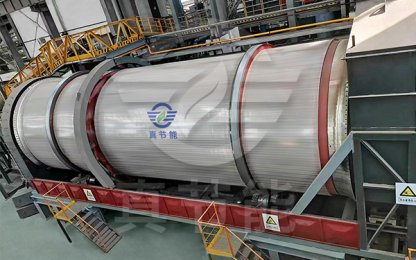
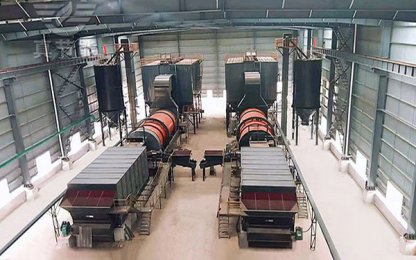
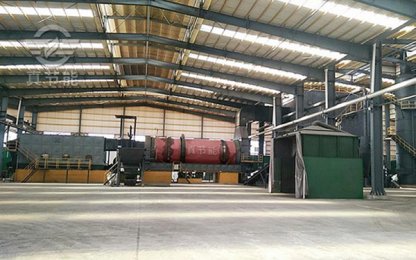
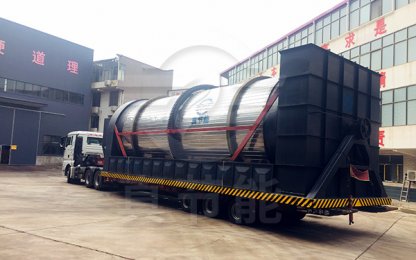
If it comes to which sludge drying equipment is more energy-efficient, we would recommend the "Rotary-Rake Feiteng three-stage multi-loop" sludge drying equipment. This equipment mainly adopts a triple-drum structure: three cylinders of different diameters are nested together, which not only reduces the equipment footprint and increases the equipment volume, so that the processing capacity of the equipment also increases. In addition, the triple-drum structure provides good overall thermal insulation, which not only improves the heat energy utilization rate but also reduces heat loss from inside the drum, greatly lowering energy consumption.
The "Rotary-Rake Feiteng three-stage multi-loop" sludge drying equipment divides the entire drying process into three stages, each using a different drying technology. Stage 1 adopts the "Rotary-Rake Feiteng" technology, which quickly scatters and separates the sludge to increase its mixing and contact with the hot air and improve the heat energy utilization rate, thereby completing the key transition of high-moisture to non-wet and high-adhesiveness to non-sticky. Stage 2 uses counter-flow plus vortex drying: the fresh hot air travels in the opposite direction to the sludge, greatly increasing turbulence and continuing to evaporate the internal moisture from the sludge. Stage 3 adopts cross-flow plus reciprocating drying: under the action of the material seal and special material plates, the wet sludge travels reciprocally and slowly while the dry sludge moves ahead and quickly; once the drying requirements are met, the material is discharged automatically.
The equipment also uses a heat energy distribution system, which adjusts the drying temperature, air volume, and air velocity according to the differing moisture content of the sludge at different drying stages. This allows better optimal allocation of resources, makes full use of the heat source, and reduces energy consumption.
It can use a wide range of heat sources, including coal, electricity, gas, oil, biomass pellet fuel, steam, and waste heat from boiler flue gas. Users can choose according to their own needs. If users have boiler waste heat resources available, they can use this equipment in conjunction with the "low temperature with high air volume" drying technology, which can save the investment in a heat source, achieve free heat use and zero heat-supply investment, and greatly lower the production cost of the sludge drying equipment.
In addition, this equipment can be used for drying industrial solid-waste sludges such as municipal sludge, chemical sludge, steel plant sludge, electroplating sludge, papermaking sludge, printing and dyeing sludge, textile sludge, pharmaceutical sludge, leather-making sludge, activated sludge, coal slurry, oily sludge, and alkaline sludge.