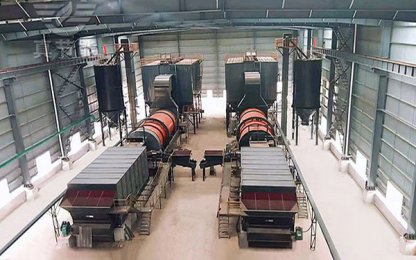
The function of a sludge dryer is to help users handle waste such as waste residue and sludge generated during production, reducing the impact of sludge on the environment, while the dried sludge can also be put to resource utilization, creating more economic value for users.
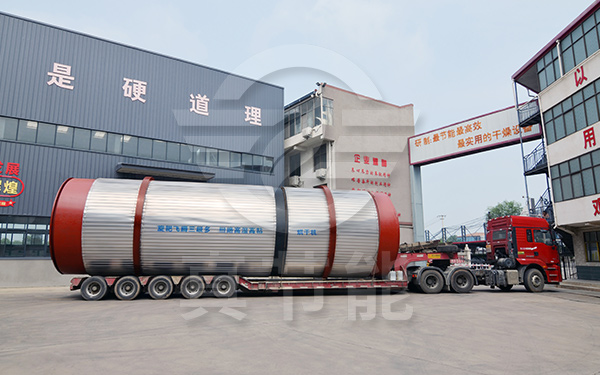
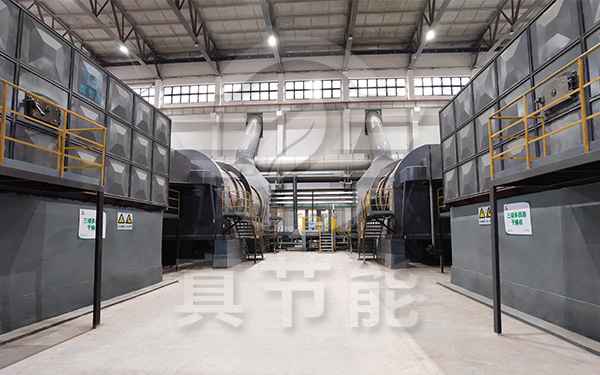
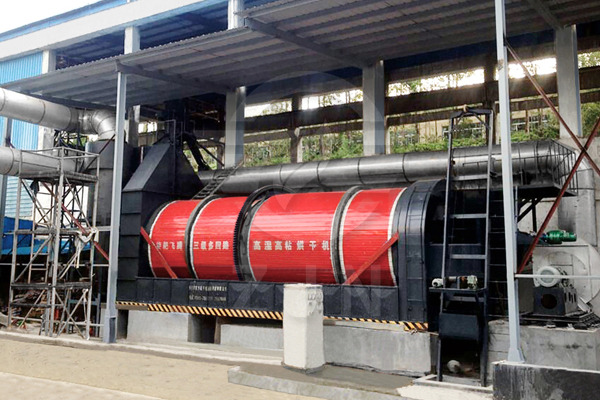
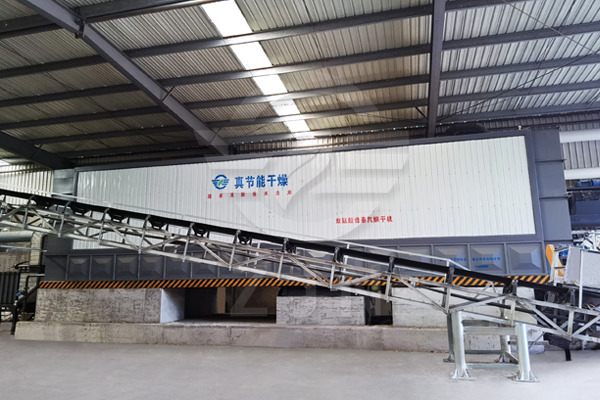
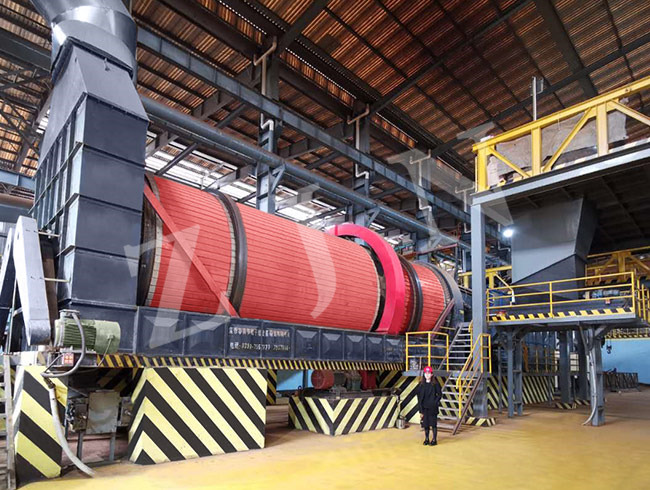
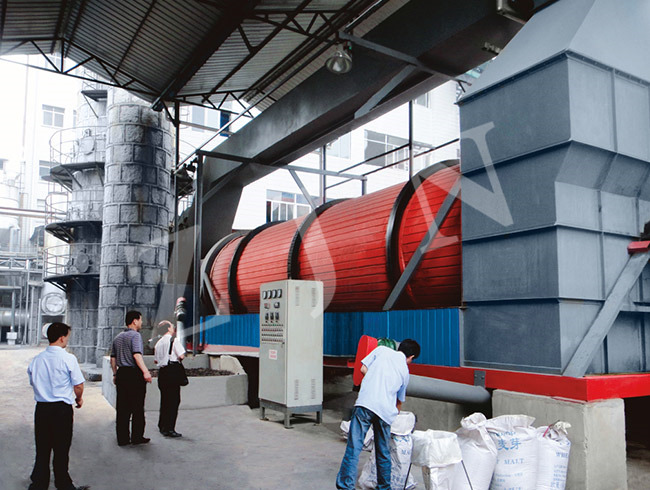
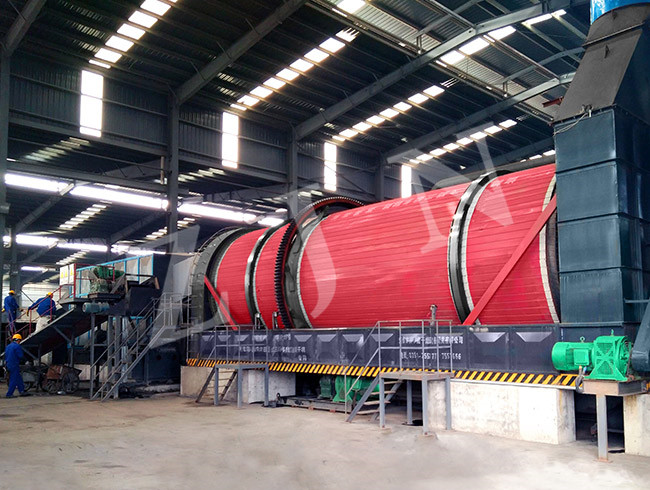
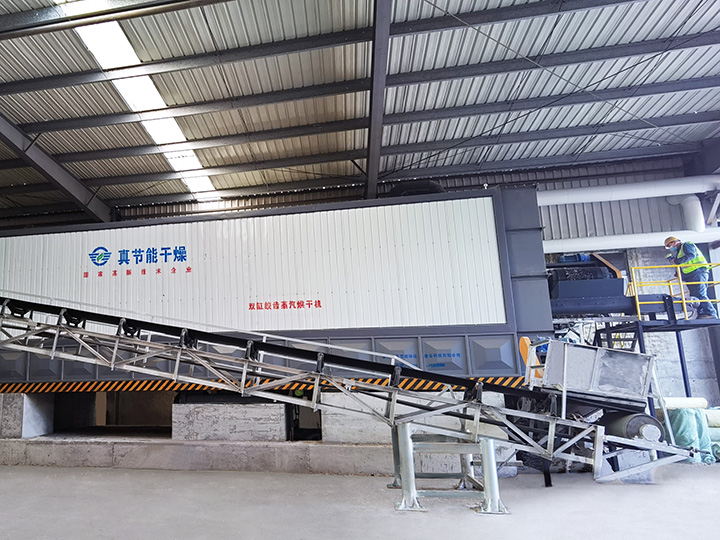
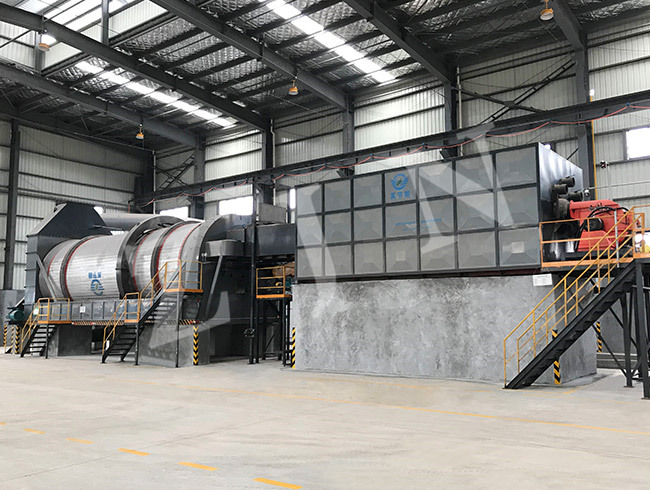
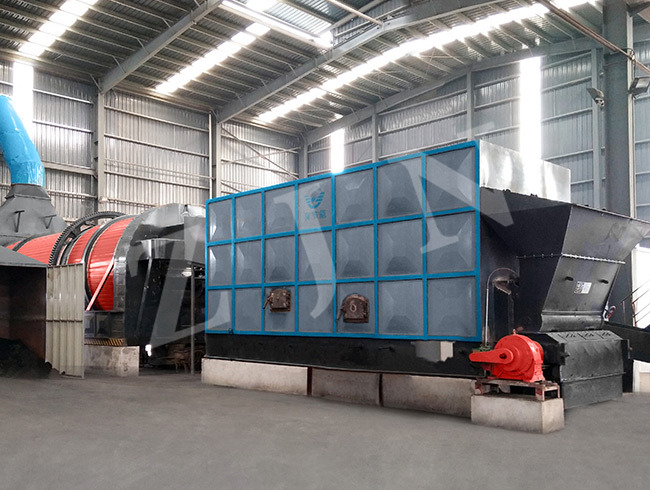
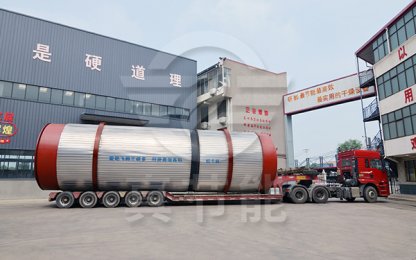
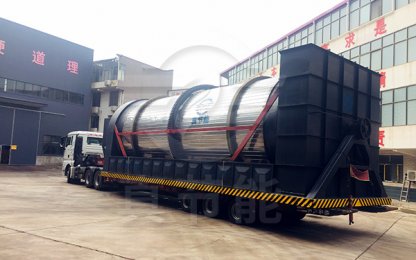
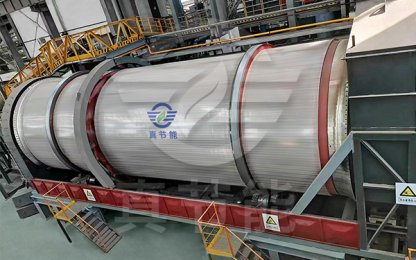
The ZJN sludge dryer adopts the "Rotary-Rake Feiteng three-stage multi-loop" drying process and features a small footprint, high production efficiency, high heat energy utilization rate, low energy consumption, good corrosion resistance, and simple, convenient operation. The equipment uses a "three-stage forward/reverse lifting and material guiding" and "W+S" three-stage material movement process, which makes the sludge move back and forth repeatedly inside the equipment — the so-called "advance three steps, retreat two." This equipment has a large storage capacity, three times that of a conventional dryer; a wide heat transfer area, four to five times that of a conventional dryer; and a long drying stroke, six times that of a conventional dryer, greatly improving the utilization rate of the heat space. In addition, the equipment has a wide application range: it can dry not only municipal sludge, electroplating sludge, coal slurry, papermaking sludge, printing and dyeing sludge, and leather sludge, but also all kinds of distillers' grains and residue waste, such as distillers' grains, vinegar residue, soy sauce residue, soybean meal, apple pomace, tomato pomace and peel, pear residue, herbal residue, beet pulp, bagasse, waste molasses, tea residue, and fruit pomace.
A sludge dryer can better rationally allocate and utilize the surplus resources of enterprises, solving the problems of difficult and costly sludge treatment. It not only improves the operating efficiency of enterprises but also resolves the conflict between the environment and development, fully embodying the principle of "energy conservation and environmental protection, resource recycling" advocated by modern society.
Dried sludge can be used not only for landfill, agricultural land application, and incineration for power generation, but also made into various building material products, such as bricks, ceramsite, and modified adsorbents. For metal sludge, precious metals can be extracted.