The low-temperature sludge dryer is a newly developed drying equipment in recent years, characterized by low energy consumption and designed to meet environmental protection requirements. From initial trials and improvements to gradual market acceptance, it has now become a mainstream product in the drying industry. When discussing drying equipment, most people are familiar with high-temperature drying, which utilizes heat transfer between thermal energy and the material to evaporate moisture from sludge. So, what exactly is low-temperature drying? Next, the editor from ZJN will introduce it to you.
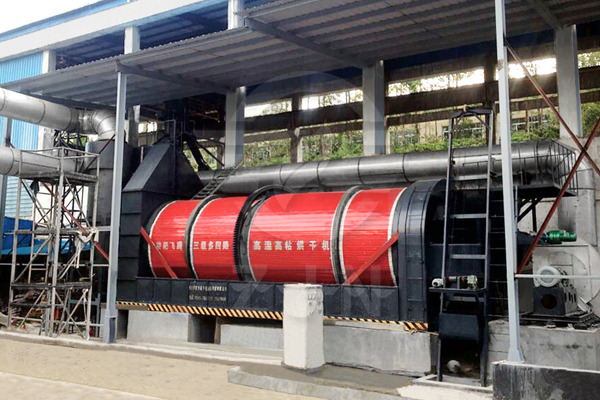
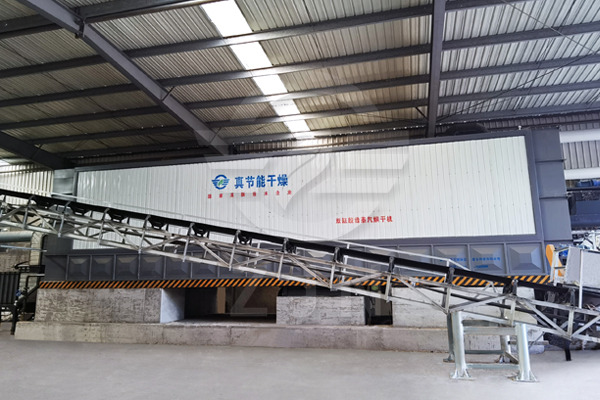
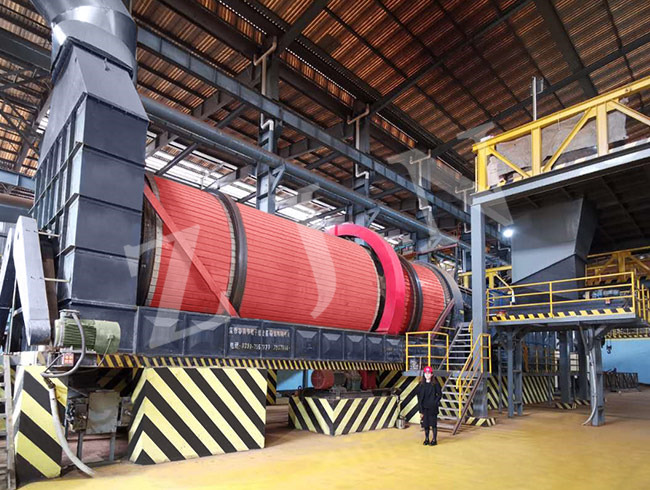
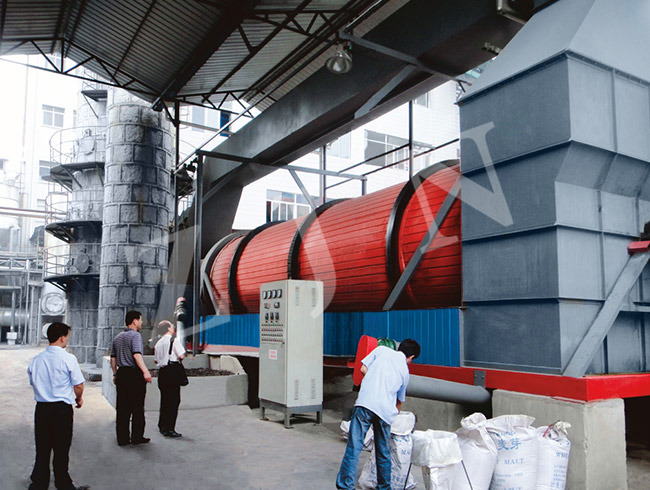
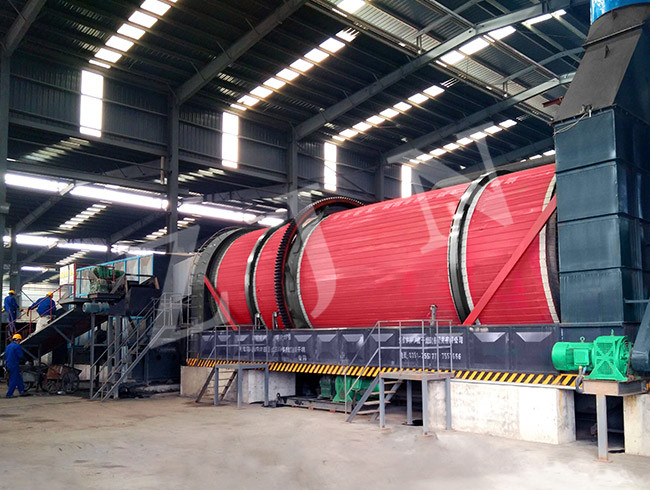
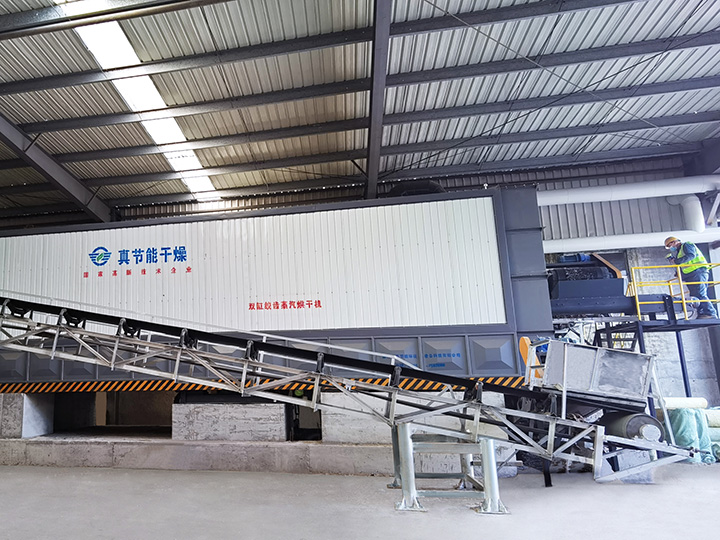
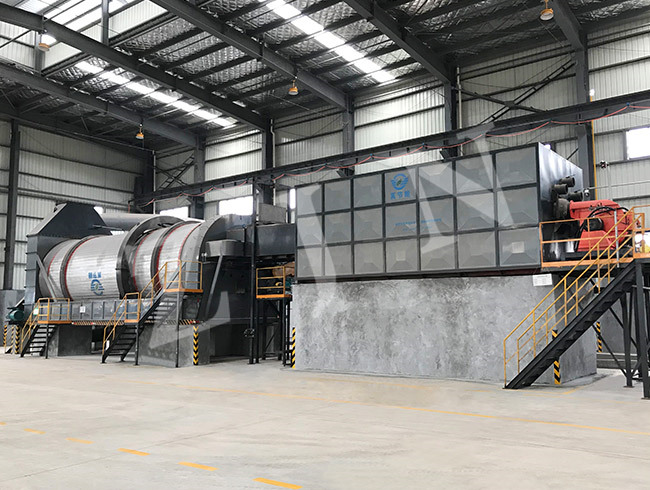
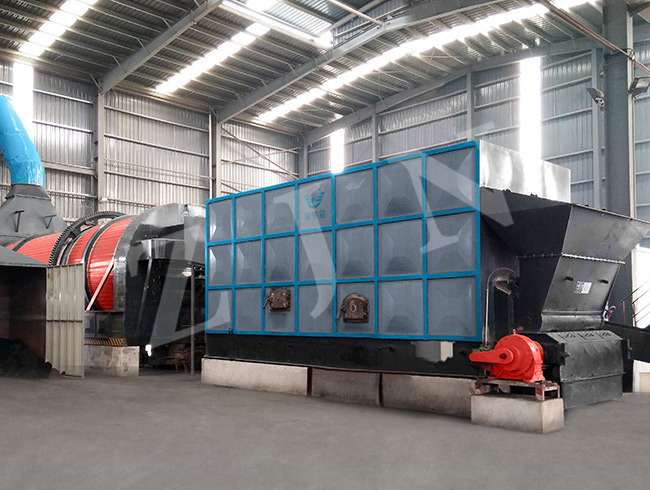
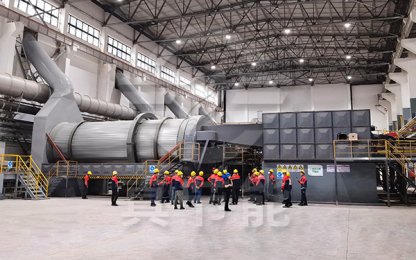
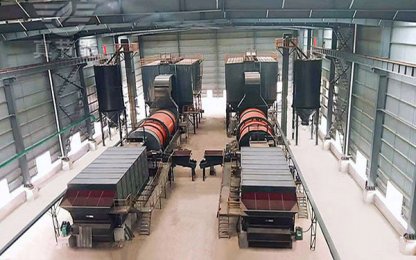
The low-temperature sludge dryer primarily consists of the following components: heat supply equipment, feeder, induced draft fan, drying main unit, discharge device, PLC control cabinet, and more. The drying main unit is the primary workspace where material drying occurs. Externally, the dryer features three concentric cylinders nested within each other. Inside the drum, there are "paddle crushing" dispersing devices, combined lifting flights, and other mechanisms. Once sludge enters the drum, it is first rapidly broken down into small particles by the dispersing device. Under the action of the lifting flights, the material is continuously lifted and scattered, forming a uniform material curtain that fills the entire drying space. By increasing the contact area between the hot air and the sludge, this equipment offers characteristics such as fast drying speed, high thermal energy utilization rate, and good product quality. It can also adapt to the drying of materials with high humidity and high viscosity.
The concept of low-temperature drying involves lower temperature requirements for the sludge dryer. To compensate and increase the drying rate, a larger air volume is employed to remove moisture from the sludge. What are the advantages of requiring a lower heat source temperature? Firstly, it is undoubtedly energy-saving. The low-temperature drying process can significantly reduce fuel consumption, thereby lowering equipment operating costs. It can also be combined with "boiler waste heat utilization" technology to further reduce thermal energy consumption. Secondly, low-temperature drying benefits environmental protection. Unlike high-temperature drying, the lower temperatures during this process do not generate large quantities of toxic and harmful substances, such as carcinogens like dioxins, which facilitates subsequent exhaust gas treatment.
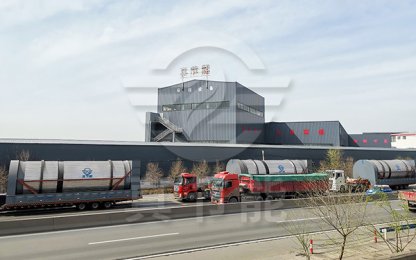
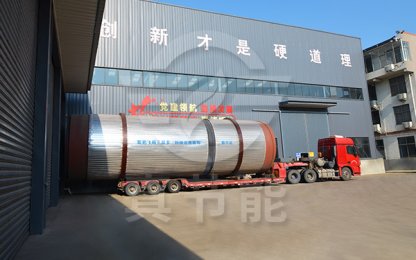
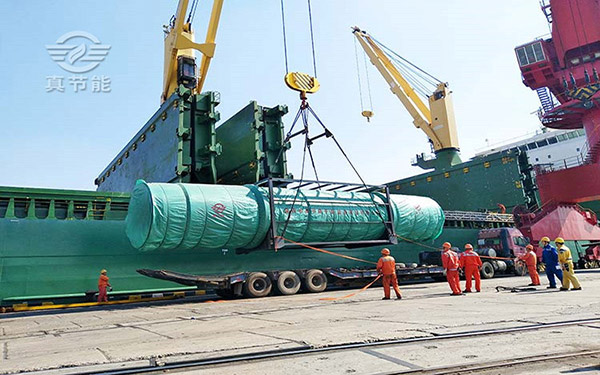
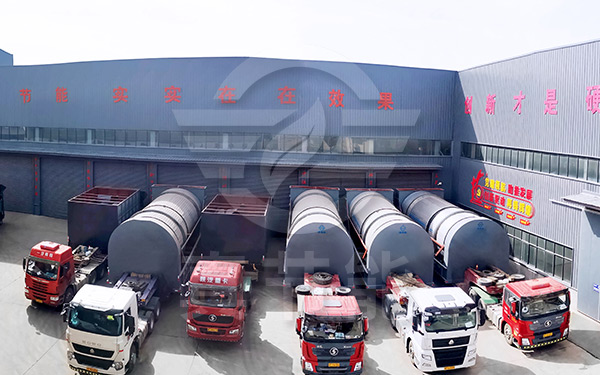
The low-temperature sludge dryer independently developed and manufactured by ZJN benefits from dedicated supervision during production and strict quality control for each batch of products, ensuring reliable quality. Currently, the products are exported to numerous countries and regions worldwide and have earned a strong reputation.