In the textile printing and dyeing industry, the application of textile sludge dryers is quite common. A qualified dryer not only requires professional manufacturing technology but also needs the user to perform maintenance and care according to regulations to better utilize the equipment's performance. Therefore, to reduce the failure rate and maintain normal equipment operation, it is necessary to understand some relevant knowledge about the dryer during operation.
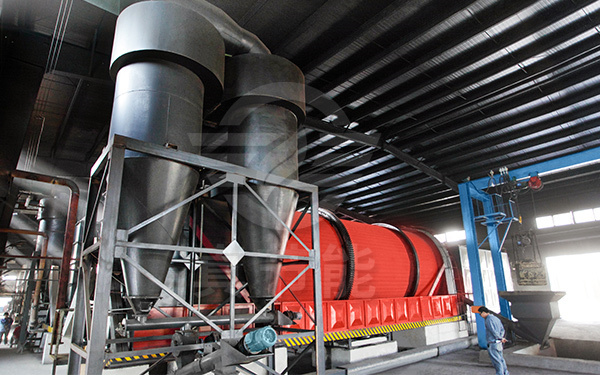
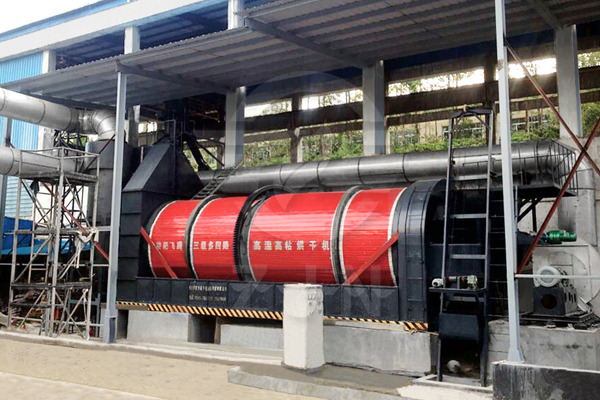
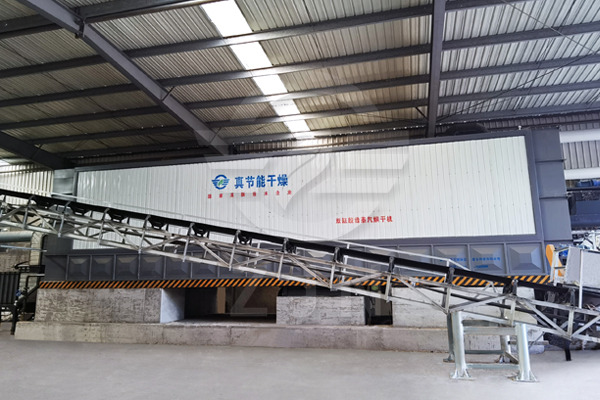
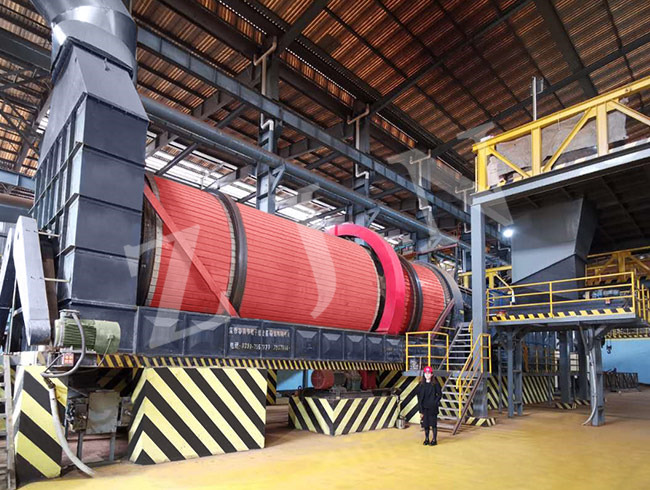
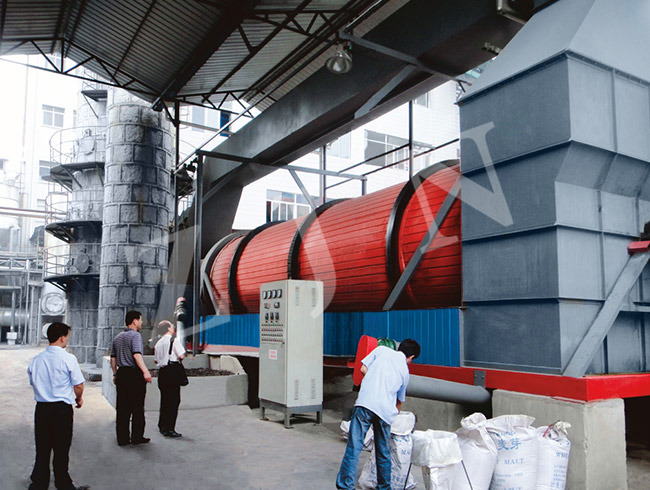
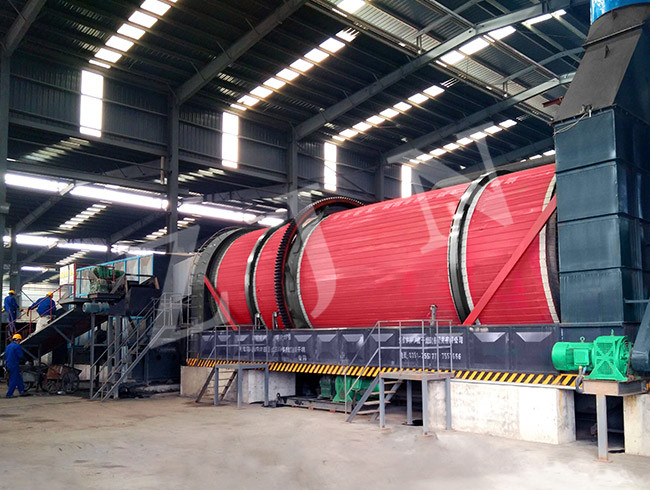
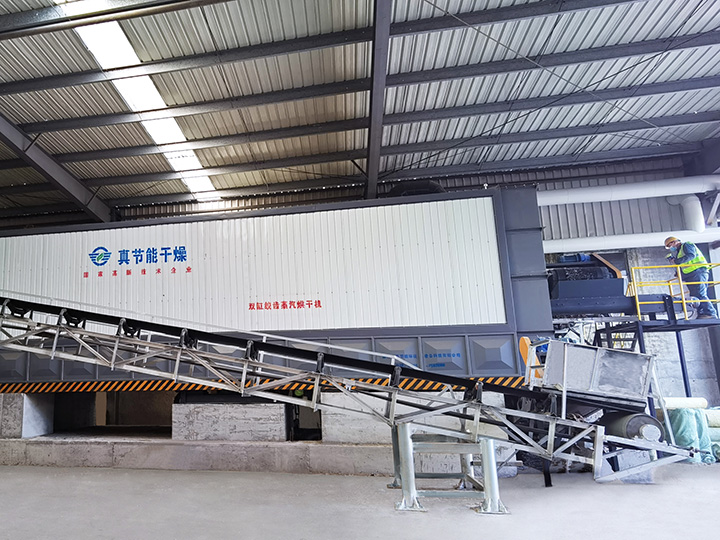
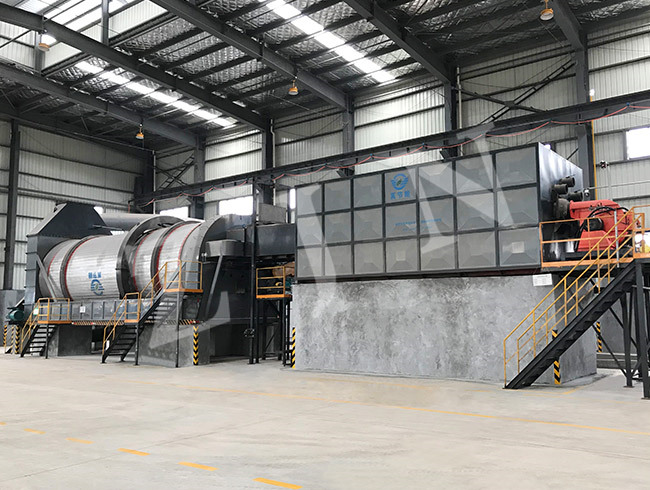
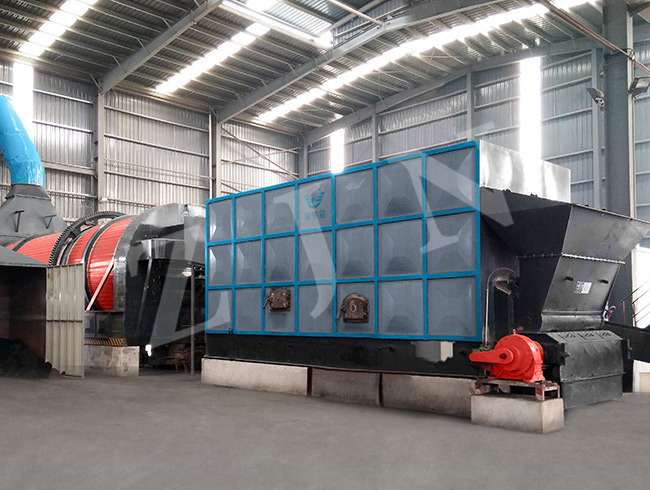
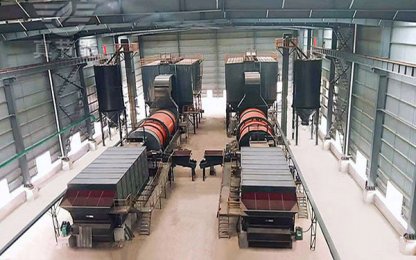
The main body of a textile sludge dryer primarily consists of components such as the base, support rollers, transmission device, feeding and discharging system, and the main drum. The main drying drum is comprised of three concentric cylinders nested together. Wet sludge enters the drum and is broken up. As the drum rotates, the material is repeatedly lifted and scattered by the action of the lifting plates. Upon contact with the hot air, heat and mass transfer occur, gradually drying the moisture in the sludge, achieving the goal of deep dehydration.
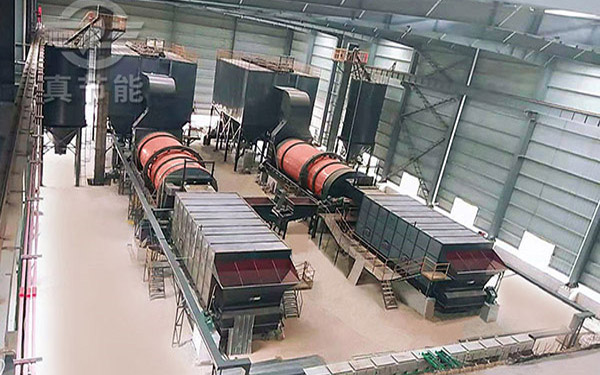
During normal equipment operation, the temperature of the drum must be monitored to prevent it from being too high or too low. Since the thermal load capacity of the drum's cross-section is limited, the operating temperature cannot be increased indefinitely. If the temperature exceeds the specified range, the drum may become deformed. Conversely, if the temperature is too low and fails to reach the optimal drying temperature, the drying effect will be compromised. Therefore, temperature control is very important during equipment operation.
That concludes the introduction to knowledge about textile sludge dryers. These factors are considered by technicians during the design phase to ensure the equipment design is more reasonable and convenient to use.