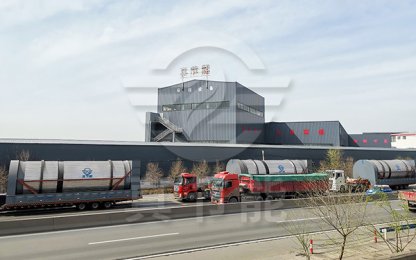
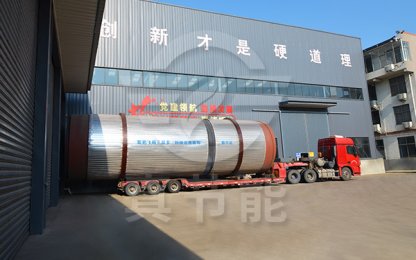
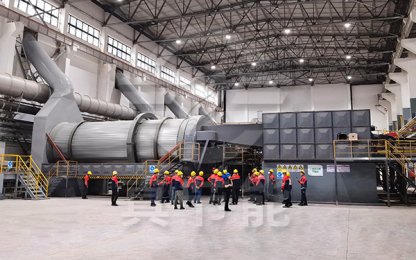
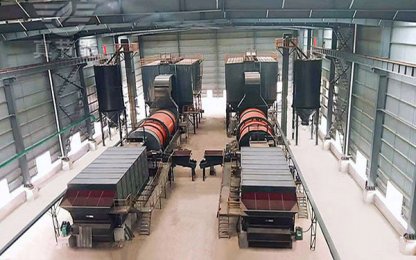
Municipal sludge drying equipment is specially designed for deep dewatering of high-moisture and high-viscosity sludge. Due to the high moisture content of sludge, even after physical dewatering by a filter press, it still retains a large amount of water. Further drying is required to achieve significant volume and weight reduction. Dried sludge is stable in properties, odorless and pathogen-free, and can be reused in various applications such as eco-friendly building materials, land utilization, and incineration for power generation. Sludge drying works on the principle of evaporating moisture through heat and mass transfer, via direct or indirect contact between high-temperature hot air and sludge. As this process is energy-intensive, sufficient professional knowledge is needed when purchasing municipal sludge drying equipment. Currently, sludge drying technologies can be divided into two categories based on heat sources:
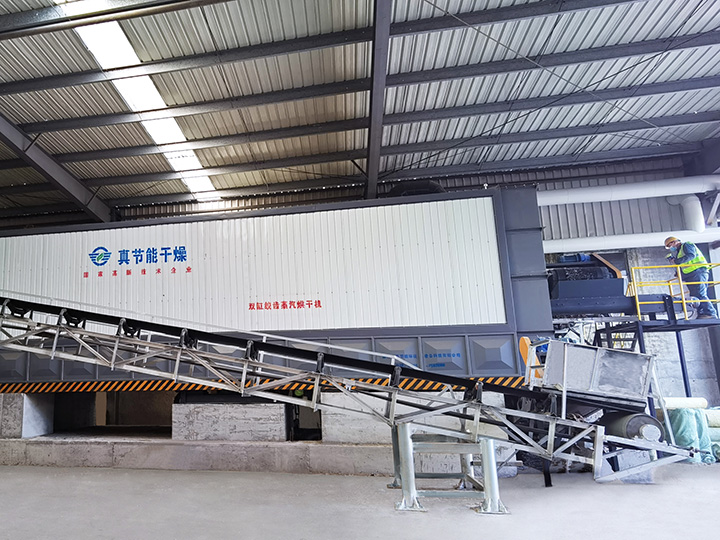
1.Indirect Heating Type Hot air does not contact sludge directly; drying is achieved through heat conduction. Common indirect heating equipment on the market includes paddle sludge dryers and disc sludge dryers. This type features relatively low energy consumption and lower operating costs than direct heating systems. However, it has a smaller processing capacity and tends to cause sludge adhesion when handling high-moisture, high-viscosity materials.
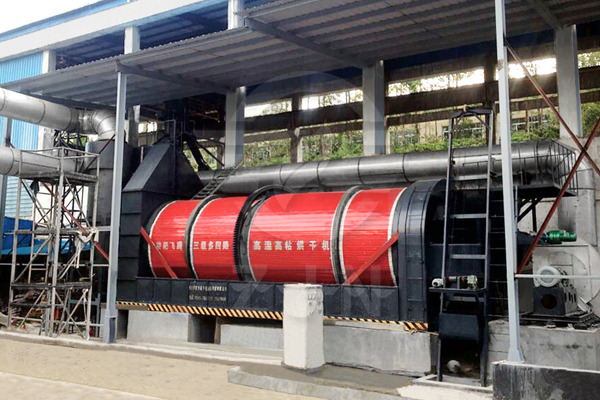
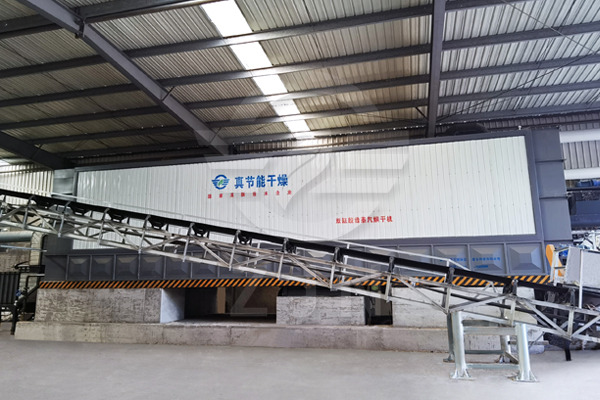
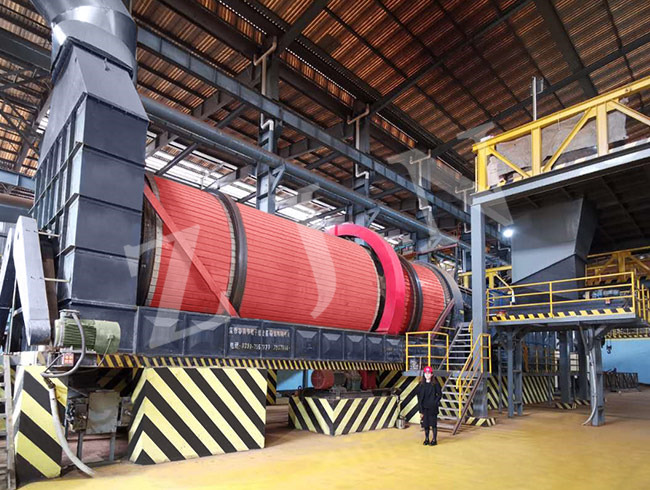
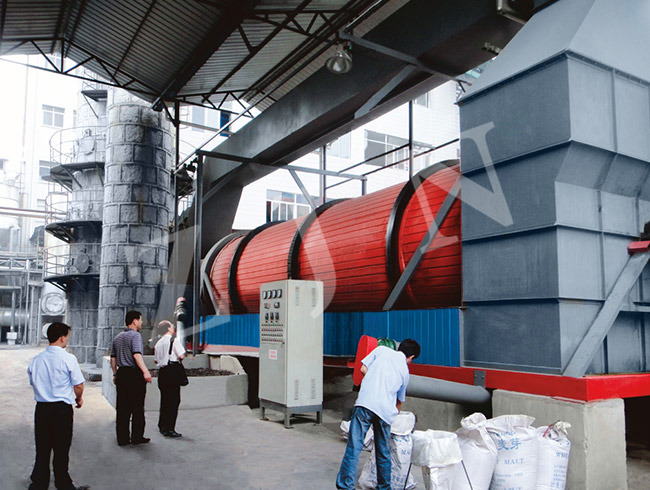
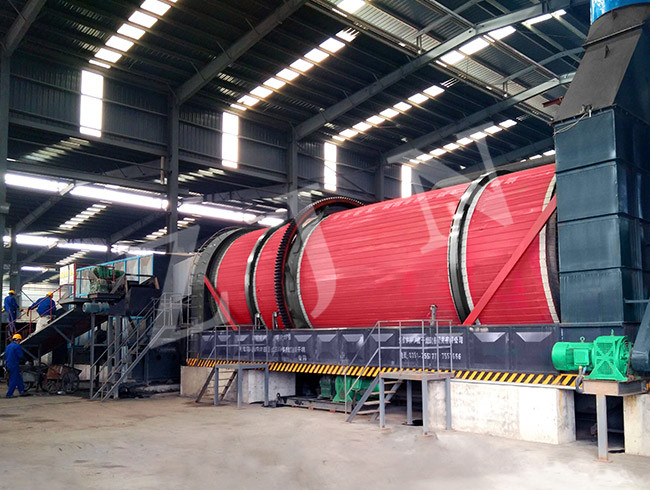
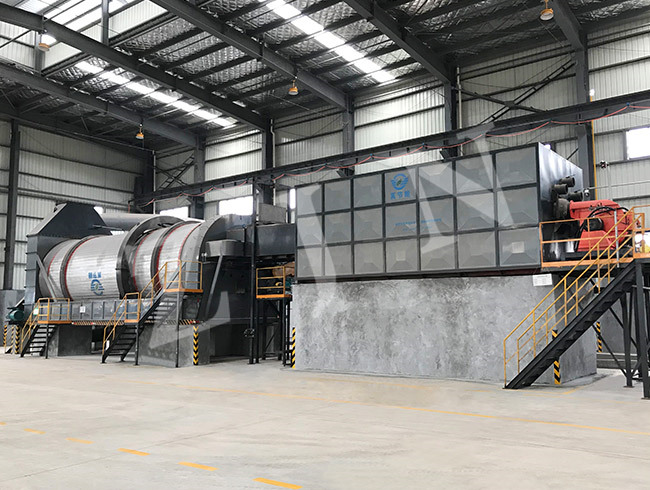
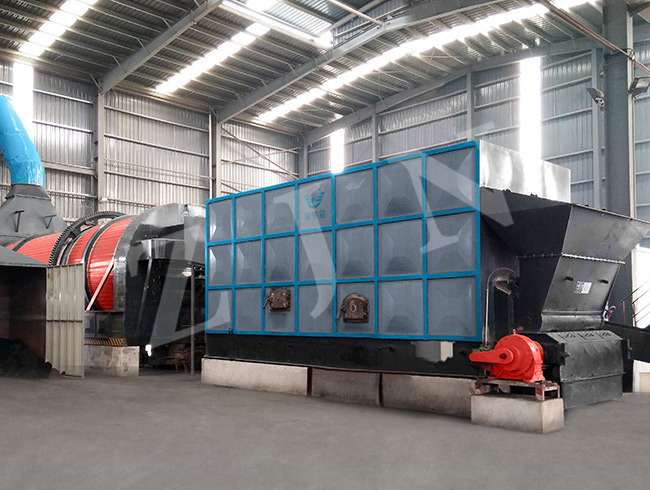
2. Direct Heating Type Direct heating means hot air contacts sludge directly, evaporating moisture using heat from the air stream. Such equipment is usually equipped with crushing and dispersing devices to increase the contact area between sludge and hot air, accelerating the drying rate. Typical direct heating dryers include the **Three-stage Multi-loop Dryer (with disintegrator)** municipal sludge drying system and single-drum sludge dryers. These models feature large processing capacity, fast drying speed and high heat utilization efficiency, making them highly suitable for medium and large-scale sludge treatment plants. The downside is slightly higher operating costs. The choice between the two types depends on actual drying requirements: - Direct heating equipment is recommended for large-volume, high-speed sludge drying. - Indirect heating equipment is more economical for small-scale drying of low-viscosity sludge.