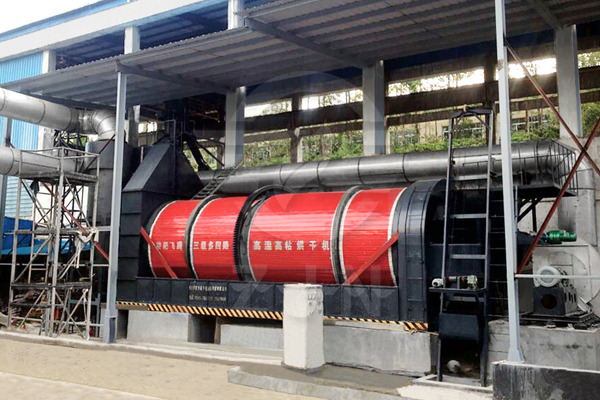
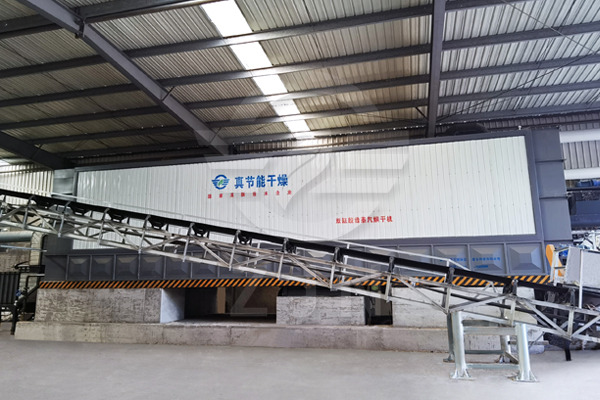
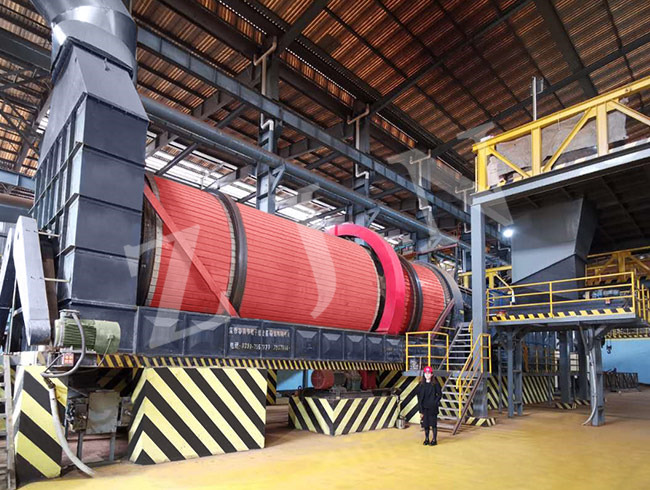
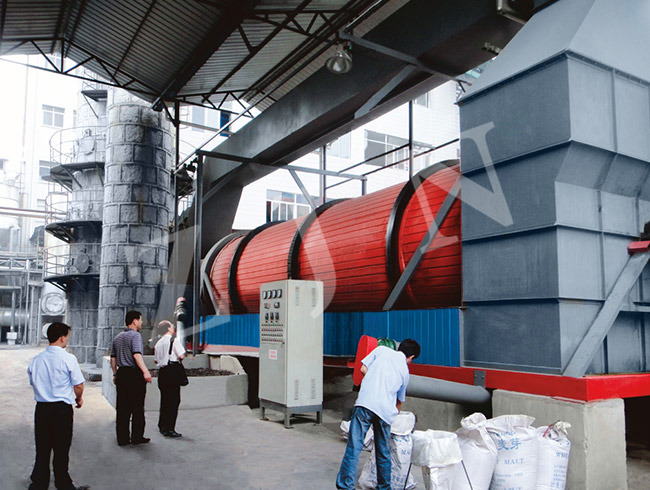
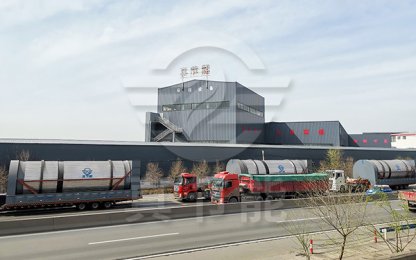
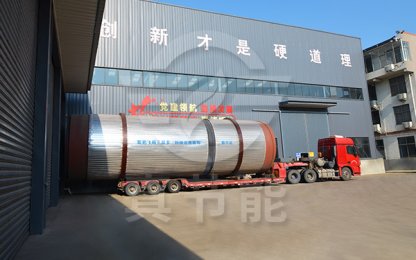
Buyers in need of tannery sludge drying equipment will find that product quality varies greatly on the current market. Driven by the rising demand for sludge disposal and significant differences in drying technologies, drying equipment brands have grown rapidly.
Meanwhile, many inferior products have flooded the market. Unscrupulous suppliers disguise themselves as professional dryer manufacturers and attract customers with low prices. It is hereby reminded that enterprises purchasing large-scale drying equipment must choose carefully to avoid costly unqualified products, which will cause substantial economic losses. The following factors shall be taken into account when selecting tannery sludge drying equipment:
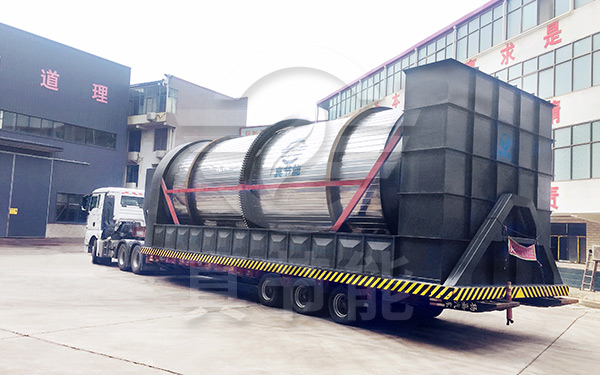
1. Professional Manufacturer Priority should be given to qualified and professional manufacturers. Professional suppliers implement strict control over production, installation and transportation processes, ensuring reliable product quality, stable operation, high safety performance and low failure rate. They also provide complete after-sales service for worry-free operation. In addition, regular manufacturers adopt direct sales models without middlemen markup. With mature production technology and stable raw material procurement channels, they maintain lower manufacturing costs. Customers can therefore purchase drying equipment equipped with latest technologies, instead of outdated and obsolete models.
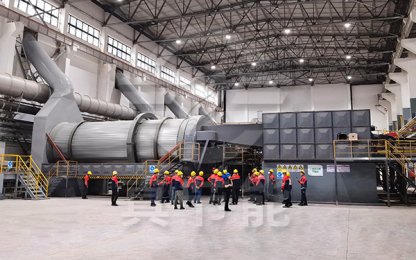
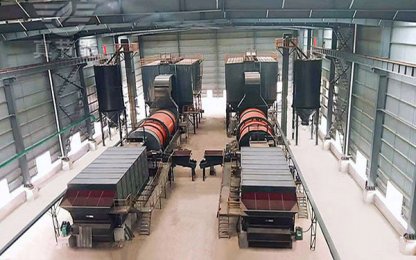
2. Qualified Output and Drying Quality Prices vary greatly among dryers with different processing capacities and quality standards. In terms of output, equipment with a daily capacity of hundreds of tons differs greatly from small units with an output of only a few tons in materials, processing techniques and overall dimensions. Improper model selection will lead to waste: undersized equipment fails to meet production demands and requires later capacity expansion with extra investment. Thus, it is essential to select the proper model according to actual processing requirements. As for equipment quality, it is determined by manufacturing capability, technical craftsmanship and raw material grade. To purchase qualified large-scale drying equipment, buyers shall evaluate the manufacturer’s production capacity, core drying technology and material selection standards. On-site factory inspection and reference to practical project cases are highly recommended to support rational purchasing decisions.