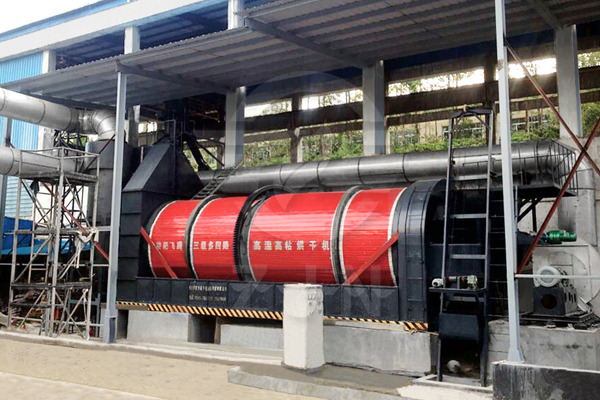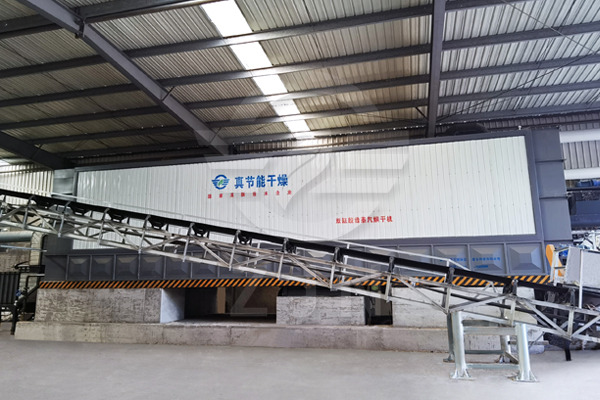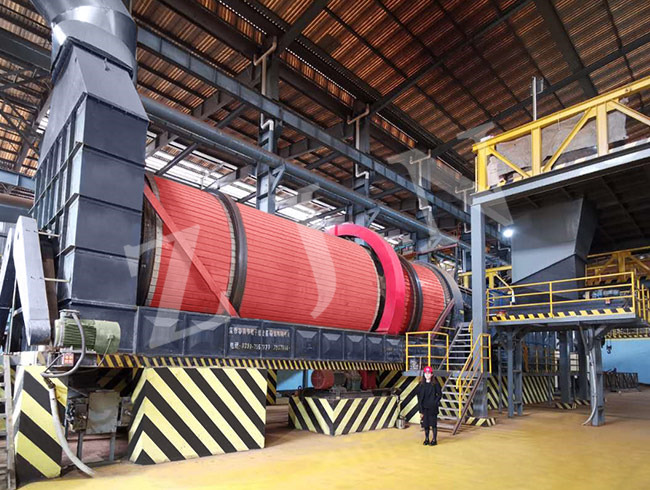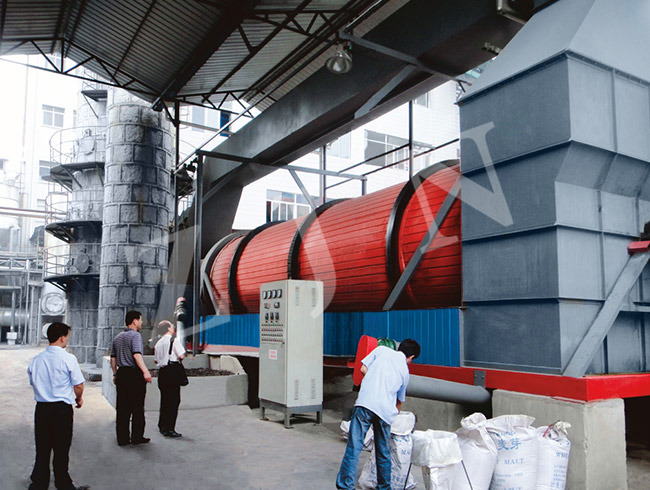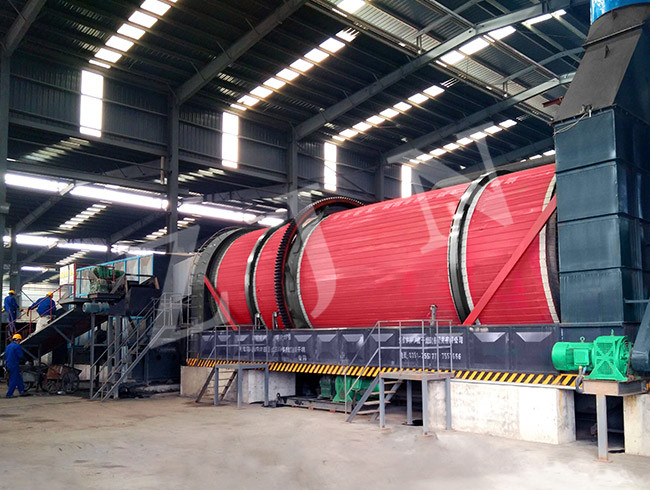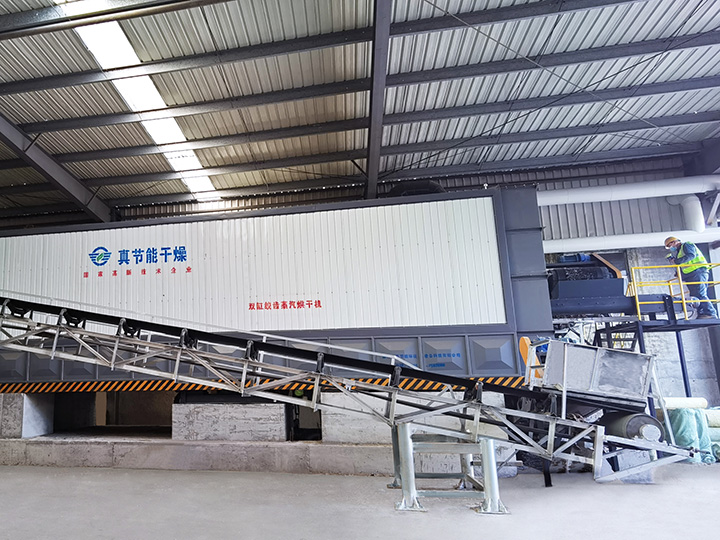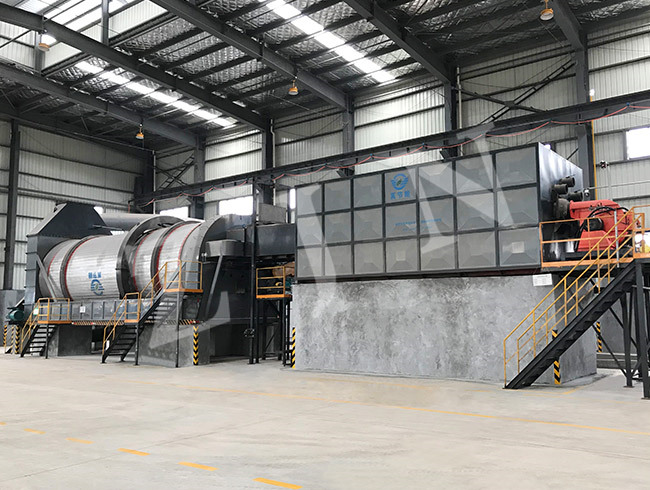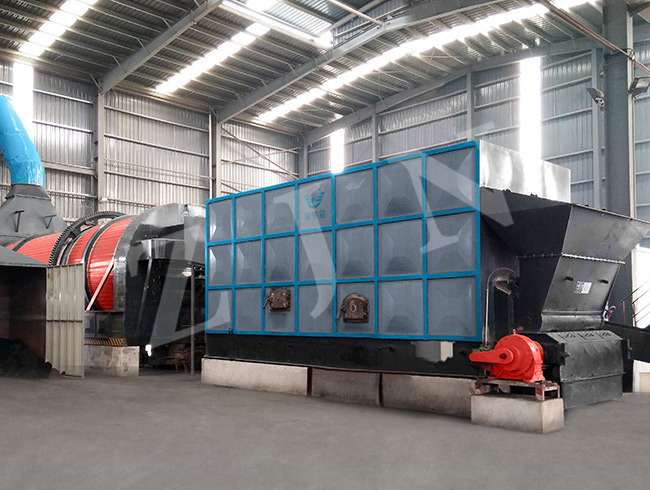
Conventional high-temperature drying processes rely on heat exchange at high temperatures to dehydrate sludge. While they can dry sludge, they are plagued by high energy consumption, large exhaust gas output, material deterioration, and numerous safety hazards, making them incompatible with current green sludge treatment requirements. Against this backdrop, low-temperature sludge dryers, with their core strengths of low-temperature drying, safe stable operation, and energy & environmental conservation, have gradually replaced traditional drying equipment to become mainstream in the sludge disposal industry. They are widely deployed in sewage treatment, industrial solid waste disposal and other fields.
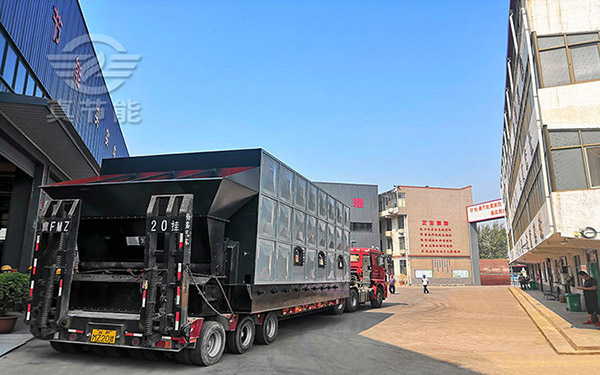
Compared with traditional high-temperature drying systems, the core merit of low-temperature sludge dryers lies in low-temperature drying that preserves material quality, which effectively avoids secondary sludge pollution and damage to sludge composition. Conventional high-temperature drying operates at extreme temperatures; such high heat tends to carbonize organic matter inside sludge and release massive volumes of volatile toxic gases. This not only ruins the resource recovery value of sludge but also generates malodorous exhaust gas, adding heavy burdens to tail gas treatment systems.
By contrast, low-temperature sludge dryers adopt a closed-loop drying process with low temperature and large air volume. The entire drying process runs under mild low-temperature conditions, where gentle hot air continuously extracts internal moisture from sludge without triggering the decomposition of organic matter. The original components of sludge are fully retained, and dried sludge maintains consistent quality, suitable for subsequent disposal routes including fertilizer production, incineration, and resource recycling.
Markedly enhanced safety performance stands out as a prominent feature of low-temperature sludge dryers. During operation, traditional high-temperature drying equipment works under high temperature and pressure, which easily triggers dust explosions and equipment overheating failures. In addition, direct discharge of high-humidity tail gas leads to equipment corrosion and pipeline blockages, resulting in high failure rates and steep operation & maintenance costs.
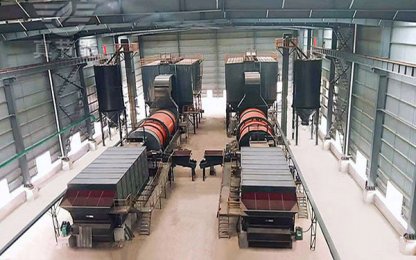
Low-temperature sludge dryers function under low temperature and normal atmospheric pressure throughout the process, eliminating risks of high temperature and pressure and fundamentally preventing safety risks such as dust explosions and spontaneous combustion of materials. Furthermore, the fully enclosed structure delivers stable internal airflow and mild working conditions, enabling reliable 24-hour continuous automatic operation. This drastically cuts downtime for repairs and slashes maintenance expenses.
Superior energy efficiency and lower power consumption constitute a key advantage aligning with green production standards. Traditional high-temperature drying suffers from poor heat utilization efficiency; substantial volumes of hot humid tail gas are discharged directly, causing severe energy waste and imposing heavy loads on exhaust gas treatment facilities. In comparison, the low-temperature drying process boasts drastically improved heat utilization and greatly reduced energy consumption. Its fully enclosed operation prevents exhaust gas and dust leakage, complying with ultra-low emission environmental standards.
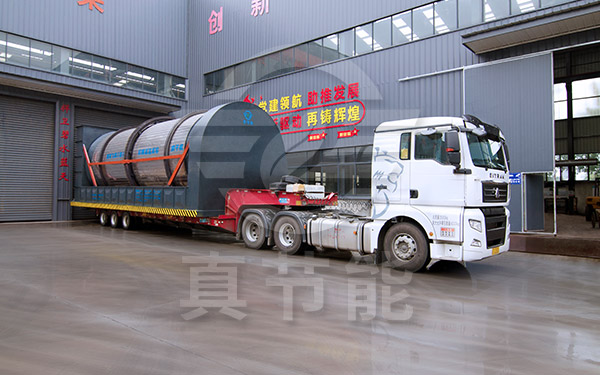
Beyond the above, the equipment features broader adaptability and handles various types of sludge with high viscosity and high moisture content. Traditional high-temperature drying frequently causes crust formation on sludge surfaces, trapped internal moisture, caking and wall adhesion, leading to uneven drying outcomes. The slow low-temperature dehydration mechanism extracts sludge moisture gradually. Equipped with material breaking and lifting devices, the dryer effectively eliminates sludge adhesion and caking, yielding dried sludge with uniform and stable moisture content that outperforms products from conventional high-humidity drying processes by a wide margin.
In summary, low-temperature sludge dryers hold comprehensive edges over traditional high-temperature high-humidity drying equipment in terms of drying quality, operational safety, energy saving & consumption reduction, and material adaptability. They fully satisfy current demands for sludge treatment in three core dimensions: harmless treatment, volume reduction and resource recovery.

Address: Yingbin Avenue, Jiaozuo City, Henan Province, China.




Copyright ©2022 by Jiaozuo ZJN Environmental Protection Equipment Technology Co., Ltd.