Massive volumes of sludge are generated during paper manufacturing. Characterized by high fiber content, strong viscosity and high moisture content, such sludge must undergo drying to achieve volume reduction, harmless disposal and resource recycling. As environmental supervision grows increasingly stringent, paper mills have rising demand to upgrade their sludge treatment equipment, making procurement cost a major concern for enterprises. There is no fixed uniform price standard for paper mill sludge dryers; market quotations vary widely due to multiple factors including equipment specifications, manufacturing materials, technical processes, supporting accessories and manufacturer services.
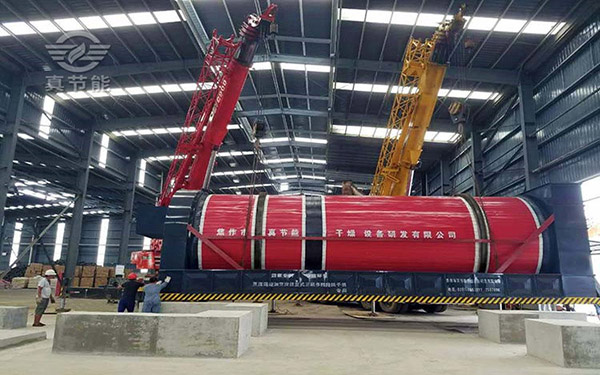
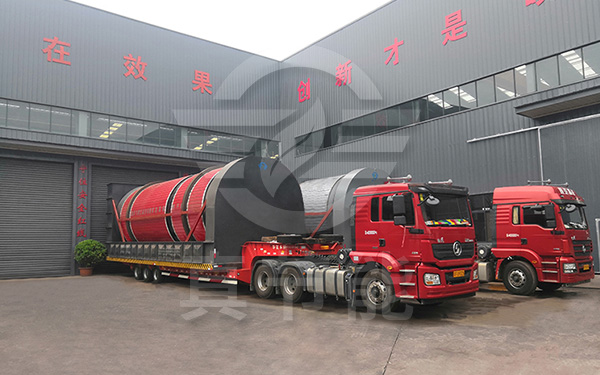
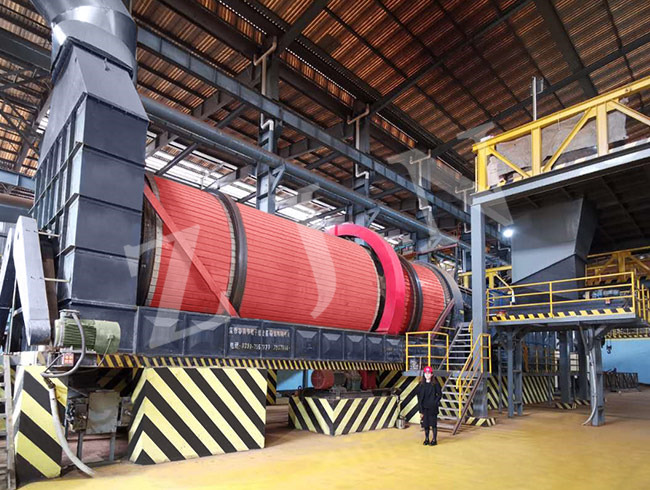
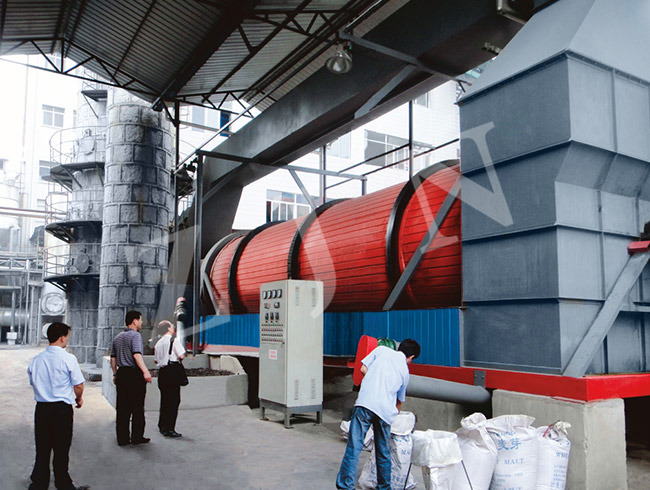
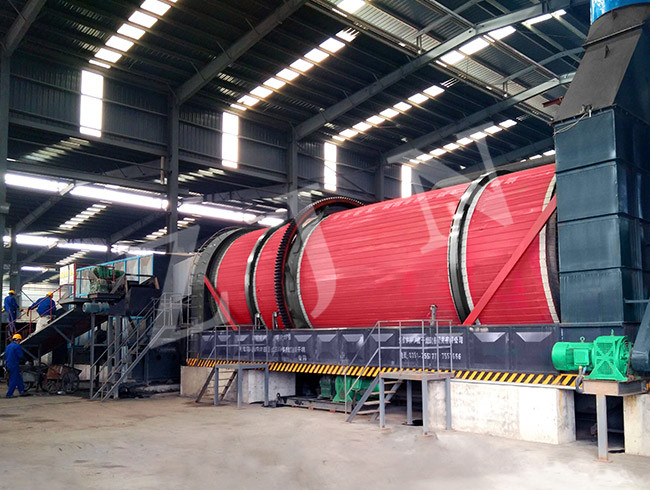
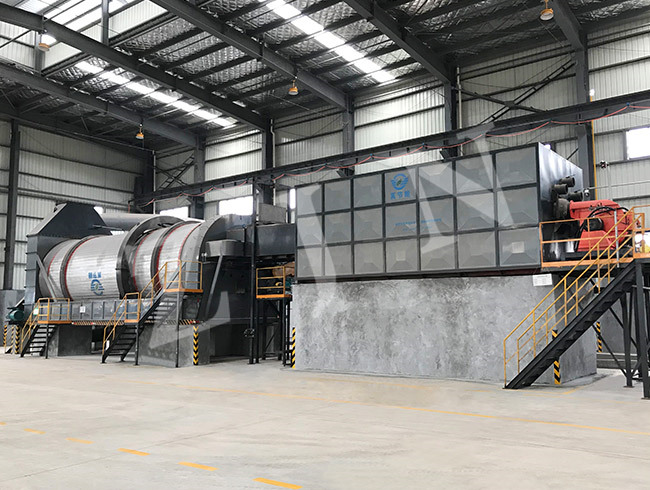
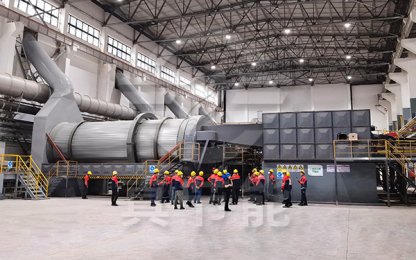
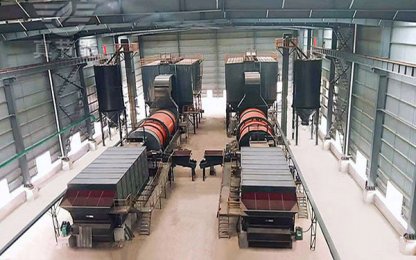
Processing capacity and equipment size constitute the fundamental factor determining the price of paper mill sludge dryers. Paper manufacturers differ greatly in production scale, and varying daily sludge output corresponds to different model dimensions, cylinder volumes and power configurations of dryers. Small-sized units are designed for minor sludge drying projects. Featuring simple structures and less raw material consumption, they come with relatively low procurement costs. In contrast, large paper mill sludge dryers are engineered to handle over a hundred tons of high-moisture sludge daily. Adopting special cylinder structures and more stable transmission systems, they deliver superior drying efficiency and support 24-hour continuous automatic operation, leading to much higher overall manufacturing costs and prices. Enterprises should select models based on their actual sludge output to avoid excess capacity or equipment overloading.
Manufacturing materials and production techniques act as core factors widening price gaps. Paper mill sludge contains alkaline impurities and corrosive substances that cause heavy wear on dryer chambers. Low-end equipment mostly adopts ordinary carbon steel, which cuts initial costs yet offers poor corrosion and wear resistance. Such units tend to rust and crack after long-term operation, resulting in high subsequent maintenance expenses. High-quality dryers are constructed with thickened stainless steel and equipped with anti-sticking lining technology tailored to the sticky properties of paper sludge, significantly extending service life. Upgraded materials directly raise raw material costs and constitute a critical price driver.
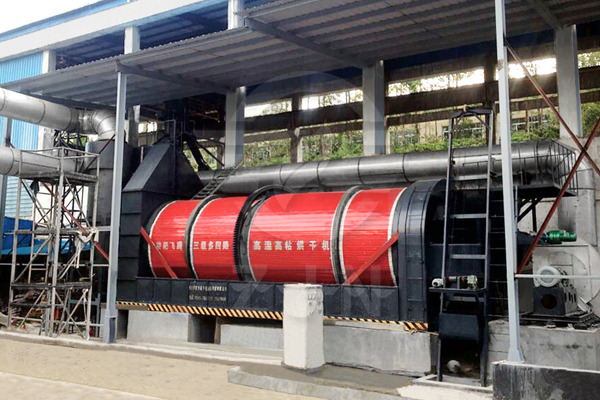
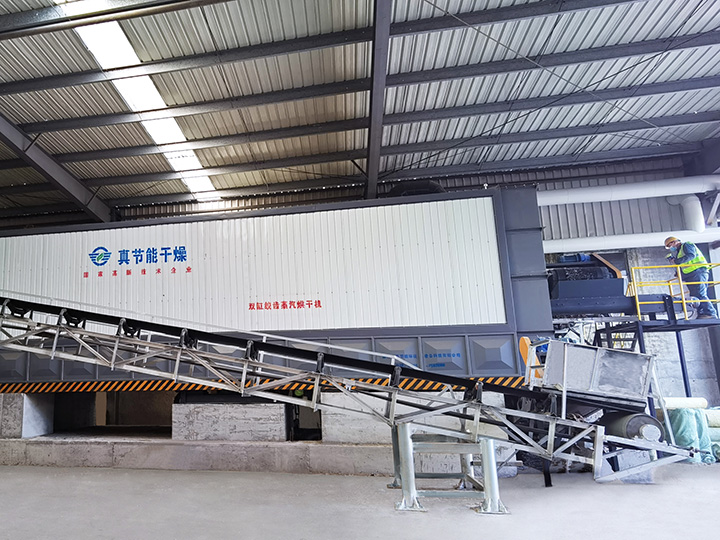
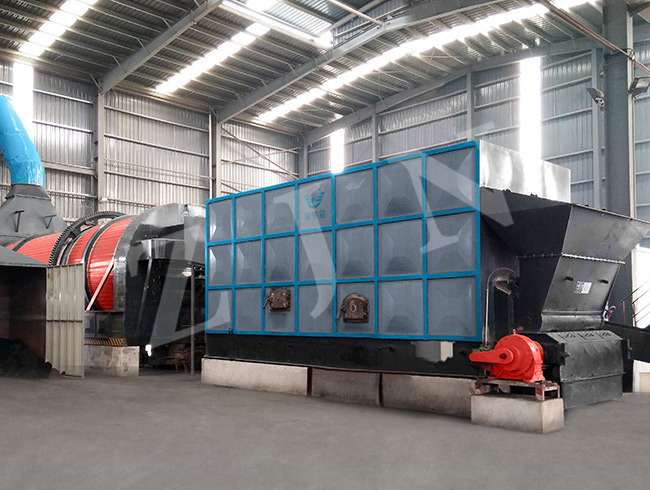
Core technologies and automatic configurations further shape overall equipment pricing. Basic dryers available on the market only deliver simple drying functions with outdated processes, low heat utilization efficiency and high energy consumption, hence carrying low selling prices. Upgraded units adopt advanced technologies such as the high-efficiency "rotary rake turbulent three-stage multi-loop" process and PLC automatic control systems. These precisely regulate drying temperature and air velocity, effectively solving common issues of sludge wall adhesion and uneven drying, while delivering remarkable energy-saving effects. Higher automation levels reduce labor costs, yet investments in technical R&D and upgraded components push their selling prices above standard conventional models.
In addition, brand strength and after-sales service systems of manufacturers exert indirect impacts on quotations. Established large manufacturers adopt mature production workflows and strict quality inspection standards to guarantee stable and durable equipment. Their quotations include added value from comprehensive services covering installation, commissioning, maintenance and warranty support. Though small workshop-made dryers boast lower upfront prices, they suffer from crude craftsmanship and absent after-sales support, accompanied by frequent operational breakdowns and high long-term operation & maintenance costs, resulting in inferior comprehensive cost performance.
In conclusion, enterprises should not merely pursue low prices when purchasing equipment. They need to evaluate capacity, materials, processes, configurations and after-sales support in accordance with their actual treatment requirements. Within budget limits, businesses should select well-matched, cost-effective paper mill sludge dryers that balance upfront procurement expenditure and long-term operational benefits.