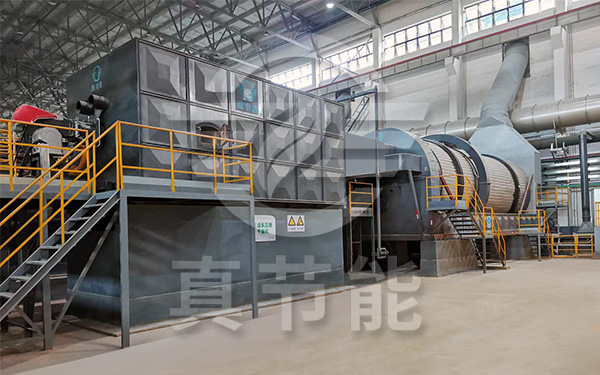
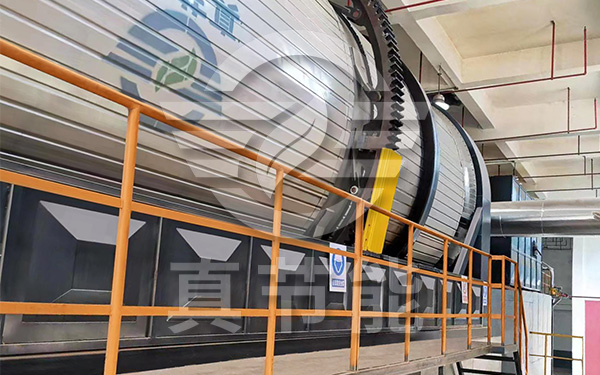
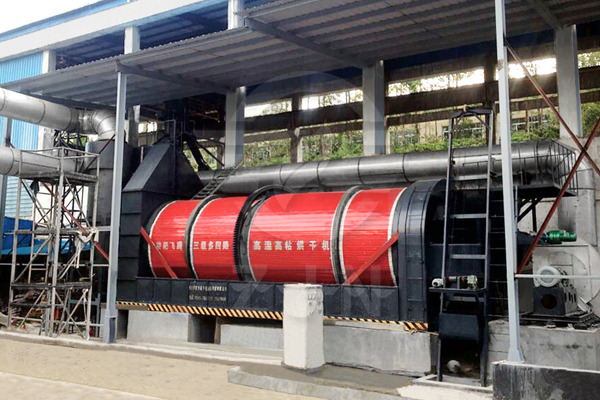
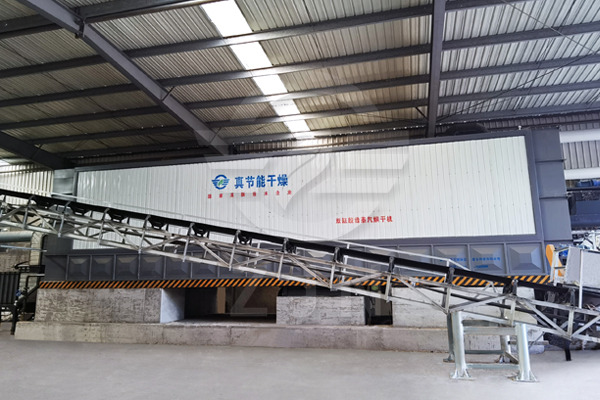
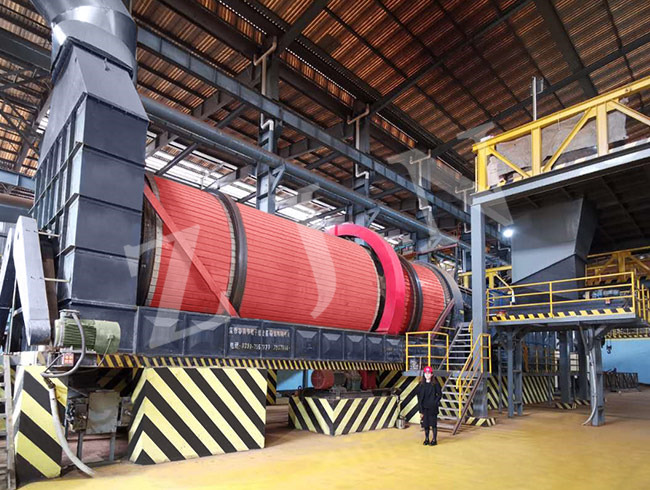
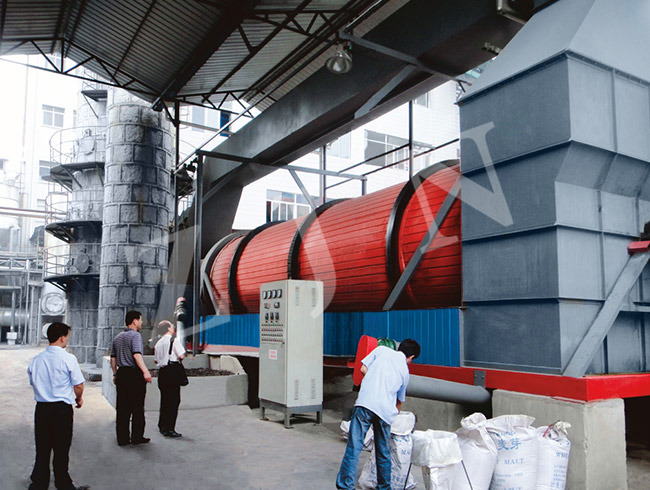
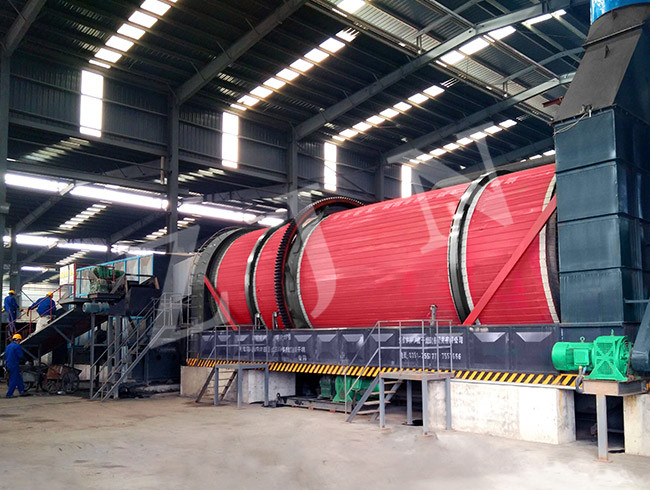
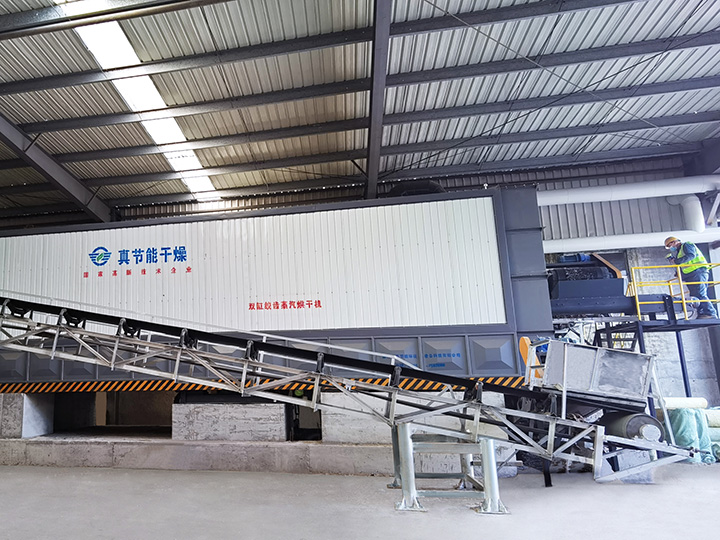
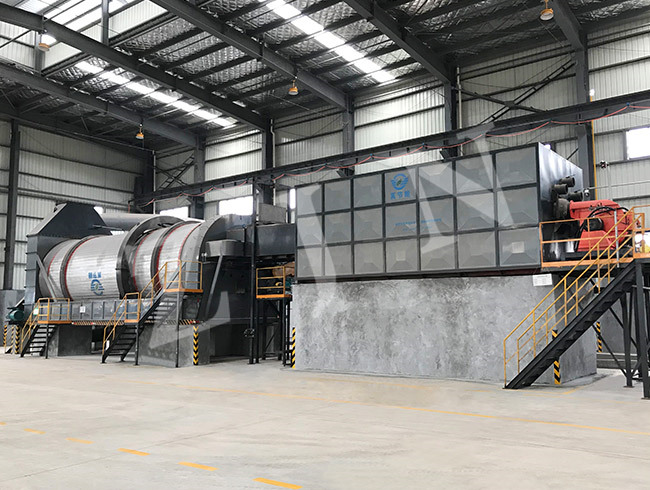
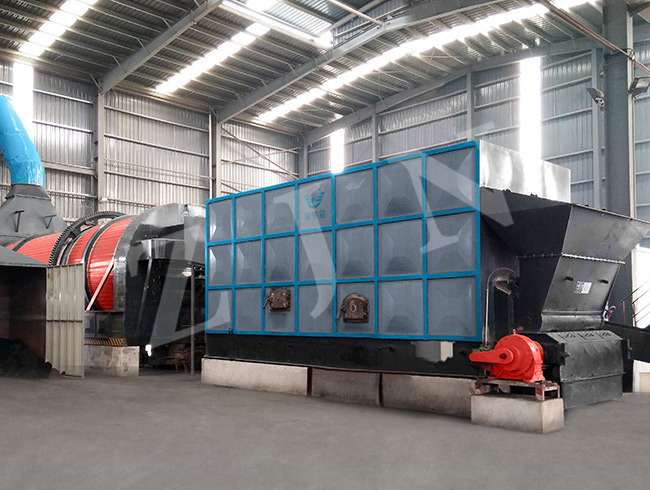
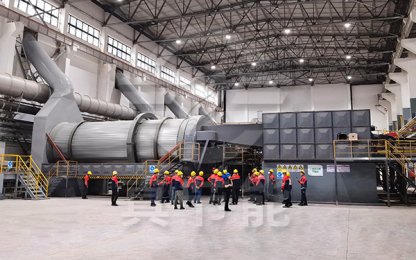
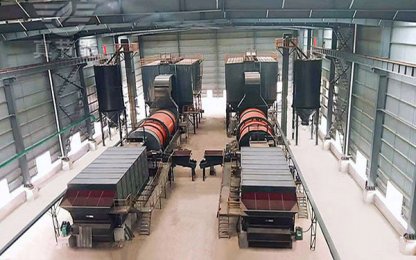
Printing and dyeing sludge is waste generated during the production process of the textile printing and dyeing industry. Printing and dyeing sludge dryers have become an indispensable component in the treatment of such sludge. These dryers can adopt various heat sources including natural gas, biomass, steam, fuel oil, coal, and waste heat from boilers. Through heat and mass transfer, they gradually evaporate moisture from printing and dyeing sludge to achieve dewatering and drying.
Nevertheless, large-scale mechanical equipment consumes substantial energy in practical operation, which tends to push up production costs. Accordingly, how to realize energy conservation and consumption reduction during the operation of printing and dyeing sludge dryers is a major concern for many practitioners at present.
How to Achieve Energy Conservation and Consumption Reduction for Printing and Dyeing Sludge Dryers
Purchase high-performance equipment as the foundation for energy saving and consumption reduction.
A wide range of printing and dyeing sludge dryers with inconsistent performance are available on the market. High-performance machinery features excellent heat transfer efficiency, fast drying rates, and outstanding durability under high temperatures. It can maintain stable operation and consistent discharging performance even under continuous working conditions. Selecting such high-performance equipment cuts energy consumption at the source and lowers production costs accordingly.
Optimize operation and management.
Optimizing operational management and formulating rational technological processes based on actual working conditions is another effective approach to energy conservation for sludge dryers. Operators shall possess proficient operational skills and experience to flexibly adjust equipment parameters such as temperature, rotating speed and air velocity during each operation. Besides, regular maintenance and cleaning of the equipment cannot be overlooked. These measures prevent abrasion and dust buildup from long-term operation and keep the machine in optimal working condition.
Adopt advanced automatic control technology.
This serves as a critical measure to save energy and cut consumption. For instance, automatic control instruments for temperature and other parameters can be installed on the equipment to regulate operating conditions intelligently, delivering ideal operational performance and curbing energy use. Meanwhile, automatic control eliminates errors caused by manual operation and improves the accuracy and stability of production.
Upgrade drying processes.
Revamping drying processes is an efficient way to reduce the energy consumption of printing and dyeing sludge dryers. On the premise of guaranteed drying quality, fuel consumption can be lowered by optimizing processes such as reasonably adjusting heating modes, boosting heat energy utilization efficiency and minimizing heat loss, thus fulfilling the goal of energy conservation and consumption reduction.
Develop and apply innovative drying technologies.
For example, waste steam and flue gas can be recycled as heat sources. This practice realizes waste heat recovery, reduces reliance on conventional heat sources, cuts exhaust gas treatment costs, and ultimately achieves energy and cost savings.