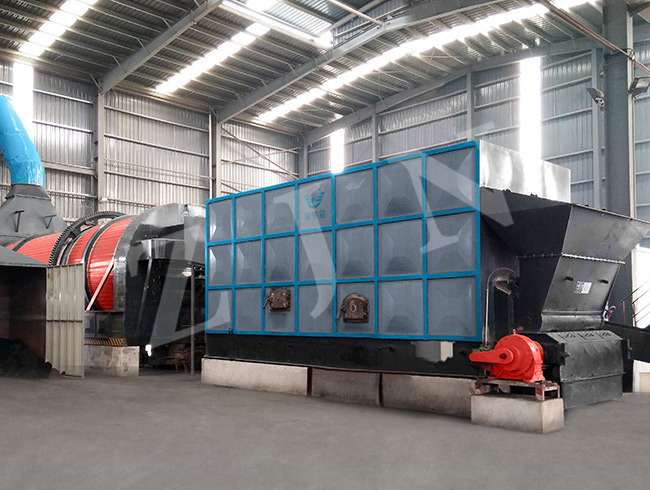
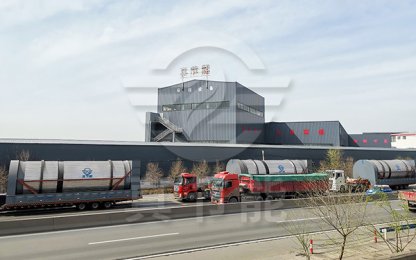
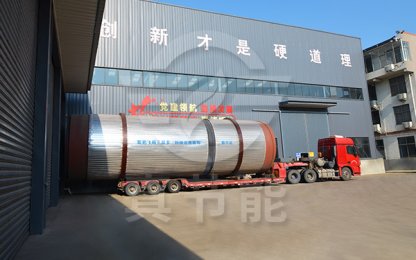
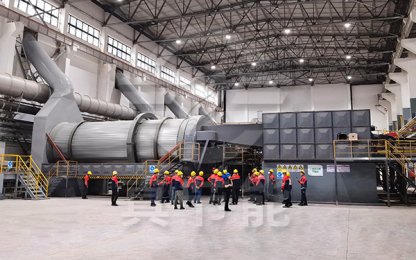
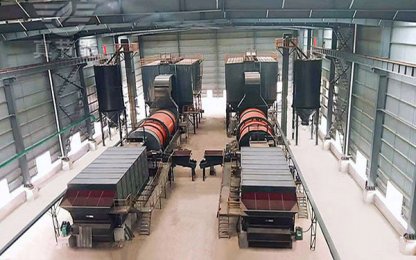
Low-temperature sludge dryer is a common environmental protection device, which is applicable to the dewatering and drying of wet sludge including chemical sludge, textile sludge, electroplating sludge, municipal sludge, printing and dyeing sludge, and papermaking sludge. However, certain sludge contains acidic and corrosive substances, making low-temperature sludge dryers prone to corrosion during operation. A set of targeted measures are required to solve this problem. This article elaborates on effective solutions from the aspects of equipment material selection and regular maintenance.
How to Solve Corrosion Problems of Low-temperature Sludge Dryers
First of all, it is essential to select appropriate materials when purchasing low-temperature sludge dryers, as the equipment material directly determines its corrosion resistance. 316L stainless steel is one of the most widely used materials for such equipment. Featuring excellent corrosion resistance, high structural strength and good high-temperature resistance, 316L stainless steel can effectively resist corrosion when in contact with sludge, though it comes with a higher cost. In contrast, materials such as manganese steel and carbon steel are more cost-effective but have inferior corrosion resistance compared with stainless steel. Users shall select the optimal equipment material based on actual sludge properties and process requirements to improve the equipment’s anti-corrosion performance.
In addition, regular maintenance is a crucial measure to address the corrosion of low-temperature sludge dryers. Routine maintenance enables timely detection and resolution of potential corrosion issues, thereby extending the service life of the equipment. During maintenance, workers need to clean and inspect the equipment thoroughly, and remove dirt and corrosive deposits on the equipment surface in a timely manner. Meanwhile, attention should be paid to equipment lubrication and protection. Lubricants and anti-corrosion agents shall be added regularly to enhance the equipment’s corrosion resistance. Furthermore, it is necessary to periodically check the sealing performance and the working condition of all components, and replace damaged parts in a timely fashion. Hence, regular maintenance is indispensable for controlling equipment corrosion.
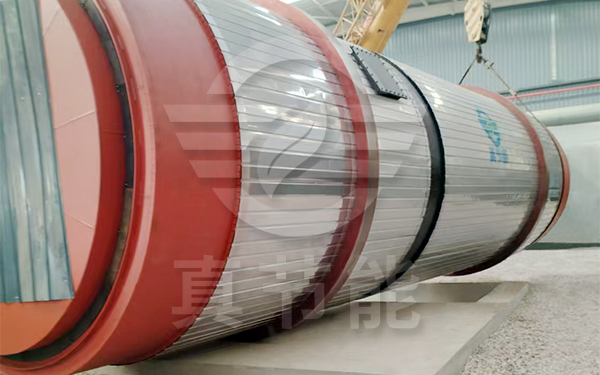
In conclusion, comprehensive measures are required to tackle the corrosion problems of low-temperature sludge dryers. Priority should be given to corrosion-resistant materials during equipment procurement. Standardized regular maintenance helps detect and eliminate hidden corrosion risks and prolong the equipment’s service life. The combined application of the above measures can effectively solve equipment corrosion problems and ensure the stable, long-term and normal operation of low-temperature sludge dryers.