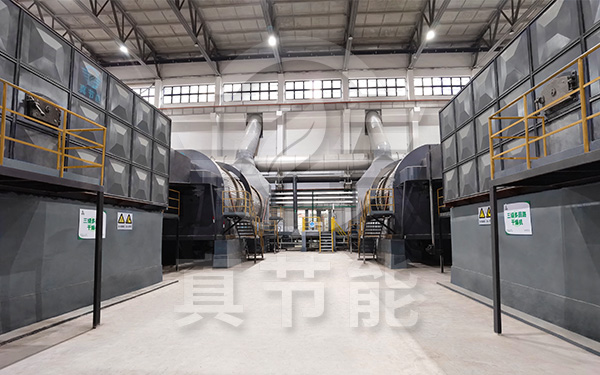
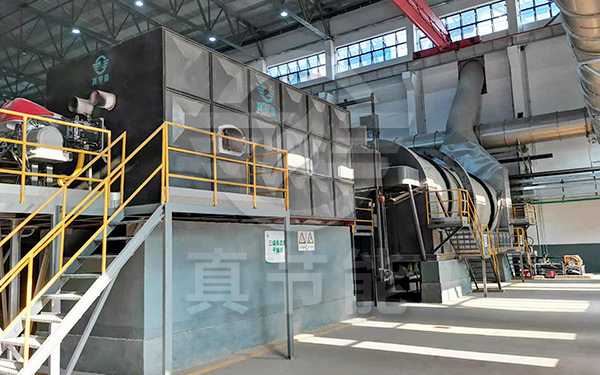
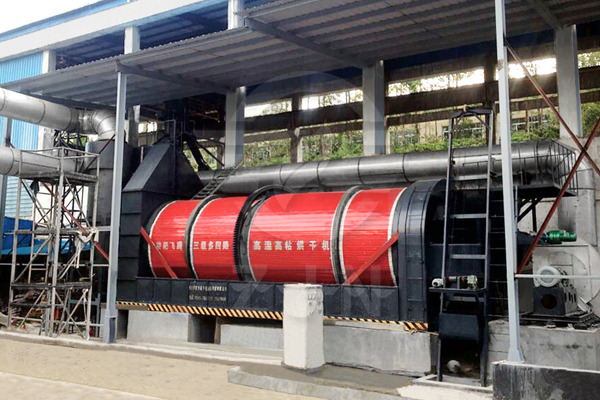
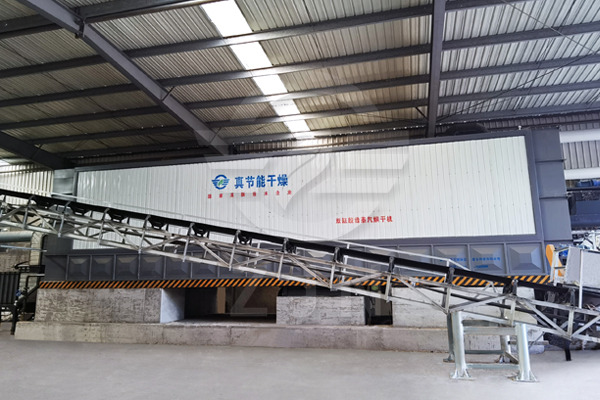
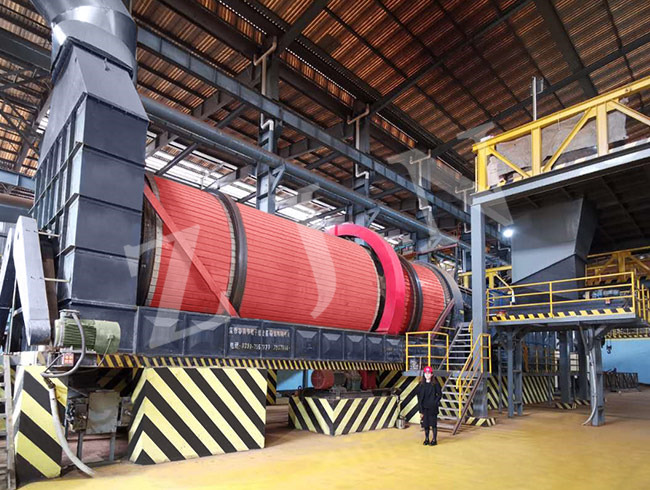
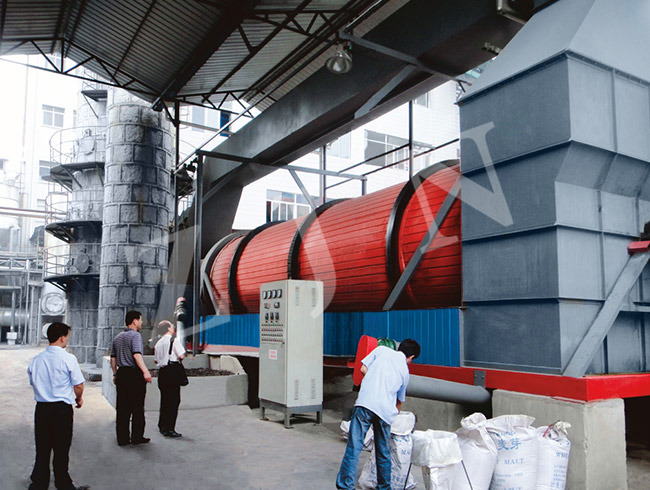
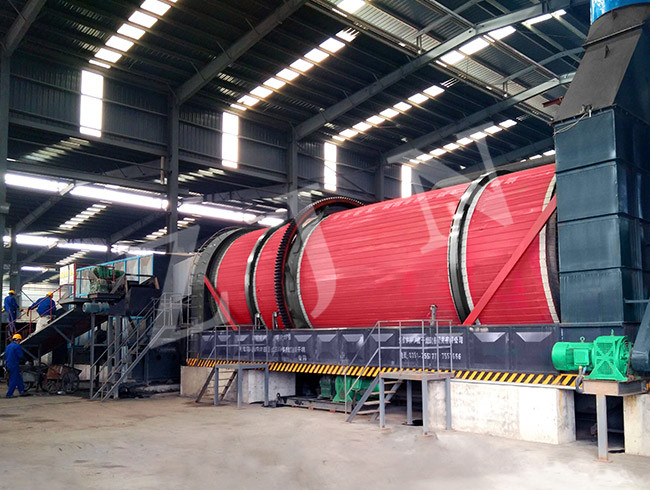
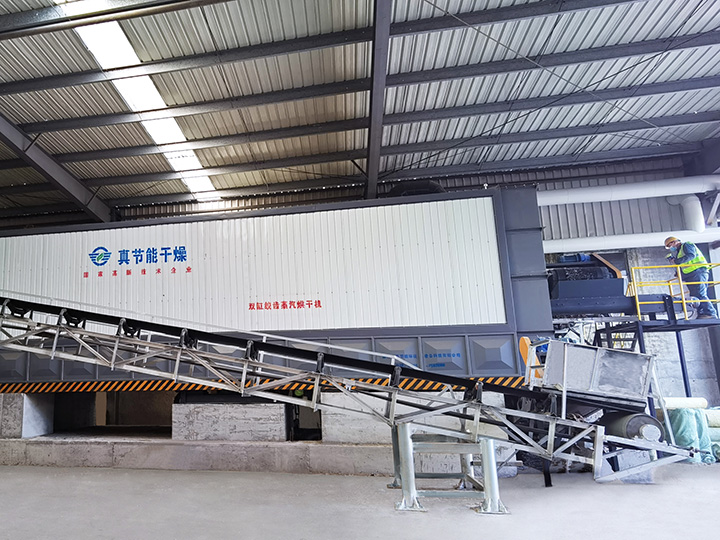
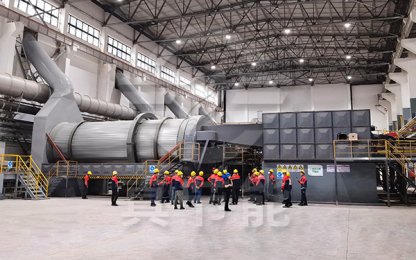
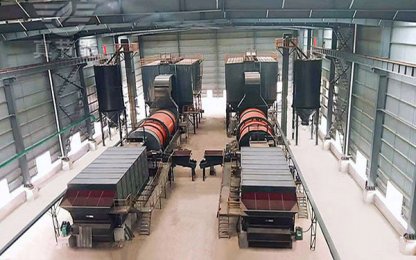
As market demand for pulp drying equipment keeps rising, an increasing number of such devices are available on the market. Pulp drying equipment of various types and specifications sees dramatic price gaps, ranging from small units worth over 100,000 RMB to large complete sets costing millions of RMB. Even identical-model equipment often carries vastly different price tags, leaving many buyers confused when making selections. So what exactly leads to these huge price differences for pulp drying machines?
1. Equipment Capacity and Specifications Stand as the Primary Price Determinant
Pulp drying equipment is designed to dehydrate and dry pulp and papermaking residues. Units with different processing capacities vary drastically in structural design and material consumption.
Small-scale models process less than 10 tons of materials per day, suited for minor pulp drying projects. Their simple construction keeps prices between 100,000 and several hundred thousand RMB. In contrast, large-scale units deliver daily output of over 100 tons to meet mass production demands of medium and large paper mills. Equipped with feeding, drying, discharging, waste gas treatment and PLC control systems, they consume far more raw materials and pose higher manufacturing difficulties, with prices ranging from several hundred thousand to over one million RMB.
Furthermore, drying mechanisms split equipment into rotary drum, paddle and heat pump types. Distinct structural designs for each category create noticeable price divides.
2. Core Technology and Manufacturing Craftsmanship Directly Widen Price Gaps
State-of-the-art low-temperature drying processes paired with intelligent PLC control systems precisely regulate temperature and air volume to prevent damage to pulp fibers while cutting overall energy consumption substantially. Such equipment requires heavy R&D investment and sophisticated manufacturing techniques with strict standards for welding and sealing, hence higher pricing.
Low-end units adopt outdated drying technologies without intelligent control or energy-saving designs. Their shoddy craftsmanship results in poor sealing and heat insulation, bringing low drying efficiency and frequent malfunctions like material caking and wall adhesion, yet they come at much lower prices.
3. Divergences in Material Selection and Supporting Systems Further Expand Price Margins
Pulp features high moisture and strong viscosity. Reliable pulp drying equipment uses corrosion-resistant stainless steel for all material contact surfaces, fitted with built-in dedicated breaking and lifting devices to extend service life and reduce breakdowns. Additional supporting facilities including automated control and waste gas treatment systems push up manufacturing costs.
Low-cost alternatives mostly employ ordinary carbon steel with incomplete auxiliary configurations. Though cheap upfront, they incur steep long-term maintenance expenses and often fail to meet environmental emission standards.
4. Brand Strength and After-sales Service Systems Also Significantly Impact Pricing
Established manufacturers of pulp drying equipment boast comprehensive R&D, production and after-sales frameworks that guarantee reliable product quality. They also offer customized solutions, installation & commissioning, and long-term operation & maintenance services — all value-added factors reflected in final pricing.
Small manufacturers lack proprietary core technologies and large production capacity, without standardized after-sales support. They compete solely on low prices yet cannot guarantee equipment quality or post-purchase service.
When purchasing pulp drying equipment, buyers should not prioritize the lowest price blindly. It is critical to match equipment to actual production demands and comprehensively evaluate processing capacity, technical performance, material quality and after-sales support to select cost-effective units.