With increasingly stringent environmental protection policies, the reduction, harmless treatment and resource utilization of activated sludge have drawn widespread attention, driving growing market demand for sludge drying equipment. However, the market is flooded with numerous manufacturers of activated sludge drying equipment featuring uneven qualifications, strengths and technical capabilities. Lacking relevant professional knowledge, many enterprises end up spending heavily on poorly matched equipment with inadequate after-sales support. To address this issue, we have sorted out core practical knowledge for screening manufacturers of activated sludge drying equipment as a reference for corporate procurement.
1. Verify Manufacturer Qualifications and Compliance as the Primary Prerequisite
Manufacturers of sludge drying equipment must hold complete production, environmental and safety certifications. Their manufacturing processes and finished equipment shall comply with national policies, without adopting obsolete processes or manufacturing eliminated products.
In addition, buyers should confirm that the manufacturer has no major quality, safety or environmental accidents in the past three years, with sound credit standing and contract performance capacity. Steer clear of unqualified shell companies to guarantee equipment meets environmental approval standards and avert potential compliance risks in later operation.
2. Evaluate Technical Strength and Product Adaptability as the Core Criterion
A trustworthy manufacturer shall own independent R&D capabilities, either with in-house research institutions or stable cooperative relations with scientific research institutes. They should maintain continuous R&D investment and accumulate relevant patents over the past three years, capable of delivering customized drying solutions tailored to activated sludge characteristics such as moisture content and viscosity.
Moreover, inspect the manufacturer’s production capacity and check whether they are equipped with complete processing and testing facilities to guarantee stable product quality. This avoids common troubles stemming from immature technology, including low drying efficiency, excessive energy consumption and frequent equipment breakdowns.
3. Assess After-sales Service and Comprehensive Costs as Critical Safeguards
Professional sludge drying equipment manufacturers deliver full-cycle services: free pre-sales technical proposals and site layout planning; installation, commissioning and operator training during delivery; 24-hour malfunction response, regular maintenance and spare parts supply after sales.
Enterprises need to comprehensively balance upfront investment and long-term operating costs, and clarify whether the quotation covers value-added services like installation and commissioning. This helps avoid low-price traps and keeps subsequent operation and maintenance expenses under control.
4. Inspect Industrial Reputation and Practical Project Cases as an Effective Screening Method
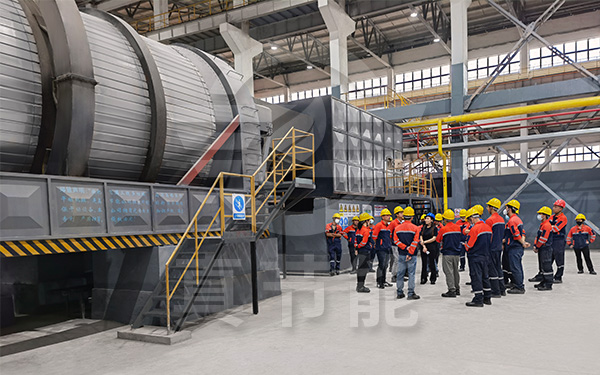
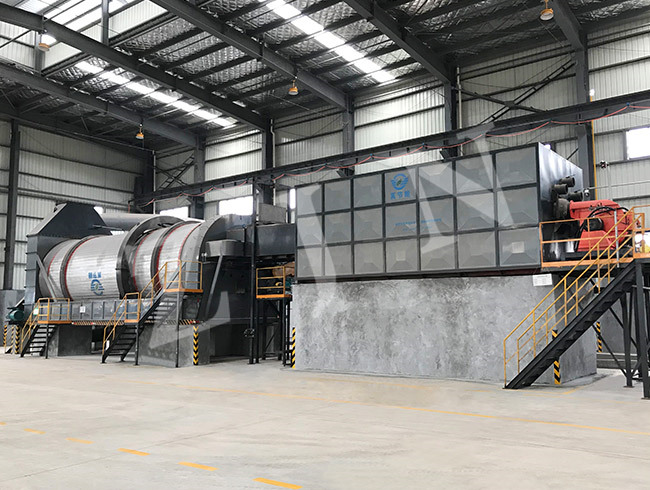
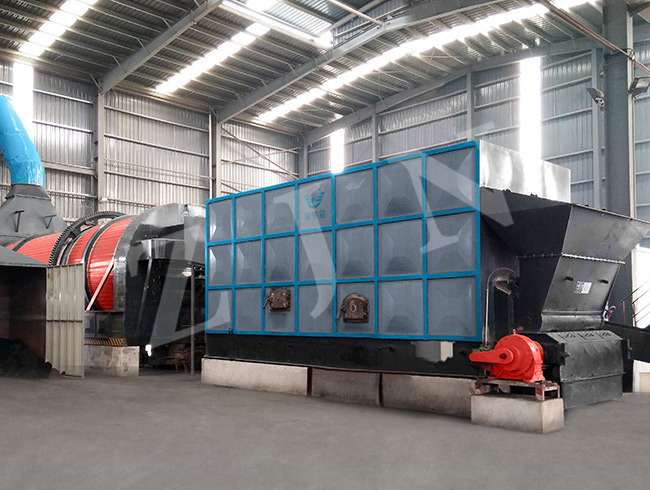
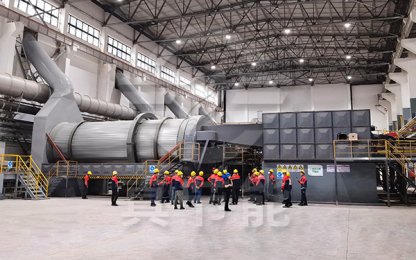
Prioritize manufacturers with mature activated sludge treatment projects. Conduct on-site inspections of running projects to verify actual operating data, drying performance and emission indicators of the equipment. You may also consult peer enterprises for procurement experience to rule out manufacturers with poor reputations and slow after-sales response, so as to secure stable and practical drying equipment.
The selection of activated sludge drying equipment directly determines whether enterprises can meet environmental emission standards and maintain production efficiency. Enterprises should abandon the misconception of judging products solely by price, and conduct all-round assessment covering manufacturer qualifications, technical competence, after-sales services and market reputation.