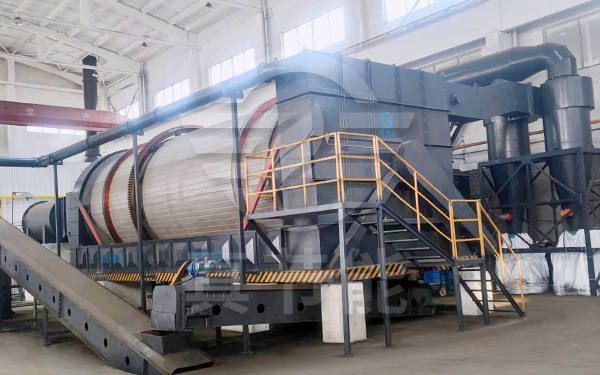
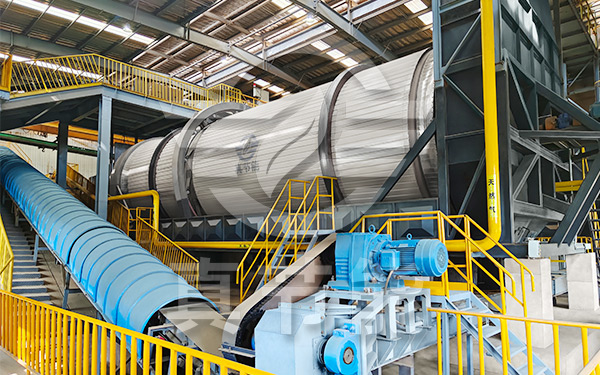
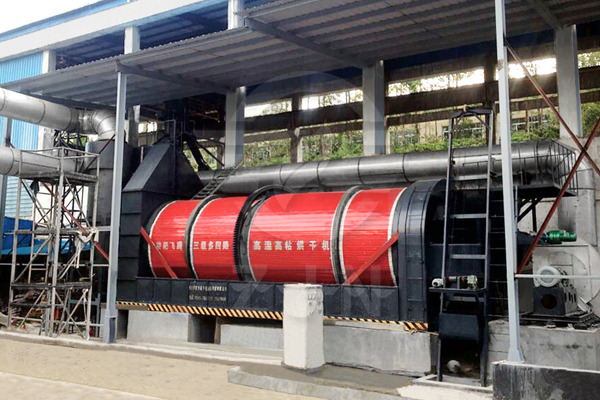
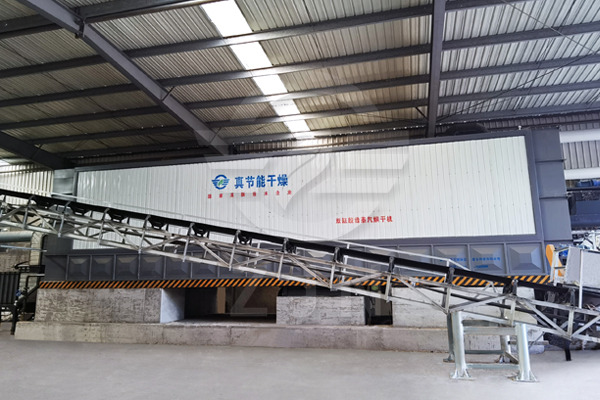
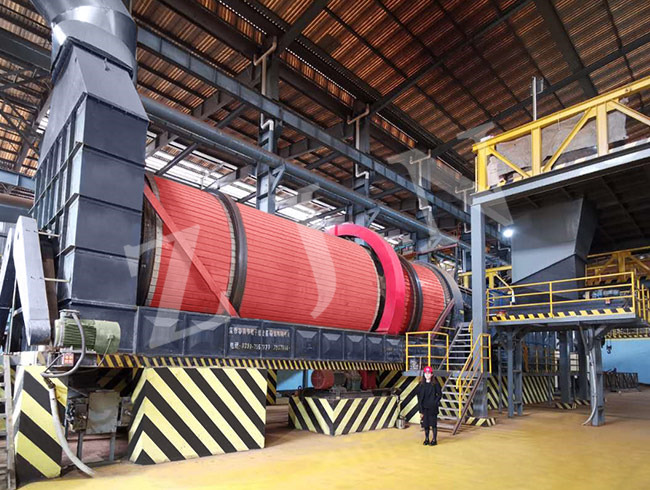
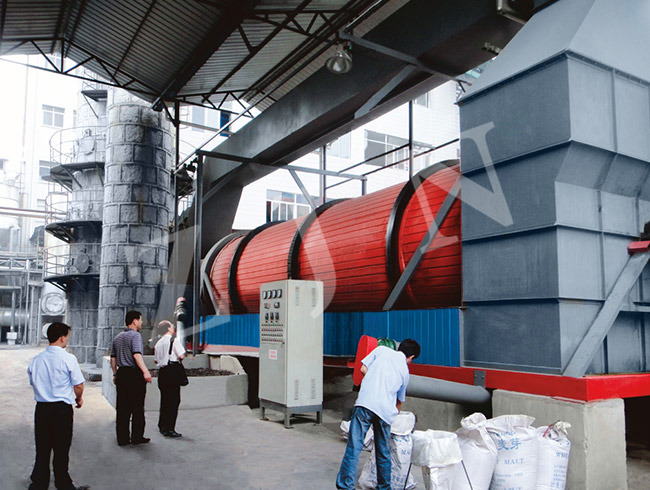
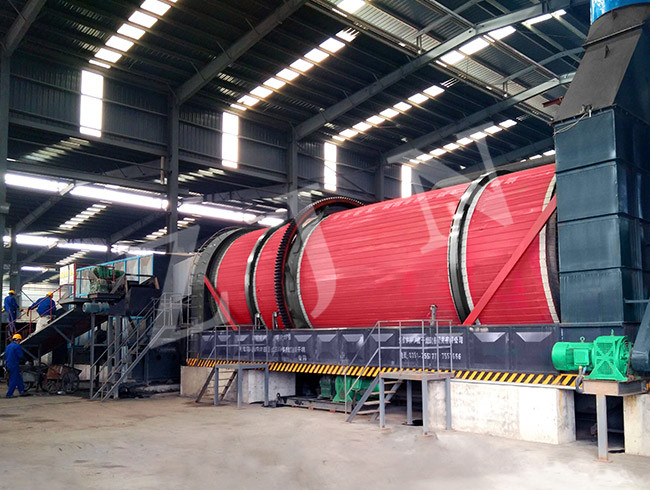
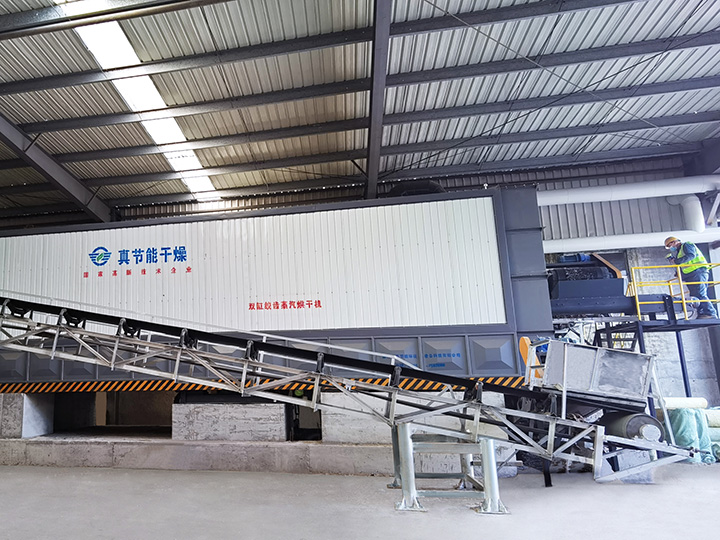
The output of rotary sludge dryers is closely tied to users’ economic benefits. Boosting the processing capacity of rotary sludge dryers can significantly raise operational profits. Therefore, during sludge dewatering and drying with rotary drying equipment, how can we increase the dryer’s output?
1. Sludge Moisture Content
Sludge moisture content is a decisive factor for dryer throughput. Sludge with high moisture demands more heat and longer drying duration, drastically slowing drying speed, lowering thermal efficiency and reducing overall output. Reasonable control over incoming sludge moisture can stably guarantee the dryer’s designed processing capacity.
2. Sludge Particle Size
Larger sludge particles carry more water per unit surface area, requiring extended heating time and higher heat input, which cuts drying efficiency. Particle size thus constitutes another key constraint on dryer output.
To tackle this issue, manufacturers optimize internal dryer structures by installing dispersing devices and lifting flights. These components continuously break, separate, stir and lift sludge during drying, expanding the contact area between sludge and hot air, accelerating internal water evaporation and lifting both drying efficiency and throughput.
3. Drying Temperature, Air Volume & Wind Speed
Elevating drying temperature, air volume and wind speed effectively lifts rotary sludge dryer output. Higher temperatures intensify water evaporation from sludge; matched with increased airflow velocity, the heat exchange rate between sludge and hot air accelerates sharply. This greatly boosts the dryer’s handling capacity, improves drying efficiency and raises hourly output.
4. Thermal Insulation Performance of Dryer Cylinder
Reinforcing thermal insulation for the rotary dryer cylinder prevents internal heat dissipation, improves heat energy utilization, strengthens heat and mass transfer effects, speeds up sludge drying and lifts equipment throughput.
Conclusion
Numerous variables govern the output of rotary sludge dryers. To raise throughput and revenue, users must first equip themselves with high-quality, high-performance dryers to avoid low productivity caused by substandard equipment. Additionally, standardized routine maintenance minimizes equipment breakdowns, ensures stable continuous production and substantially lifts total output.