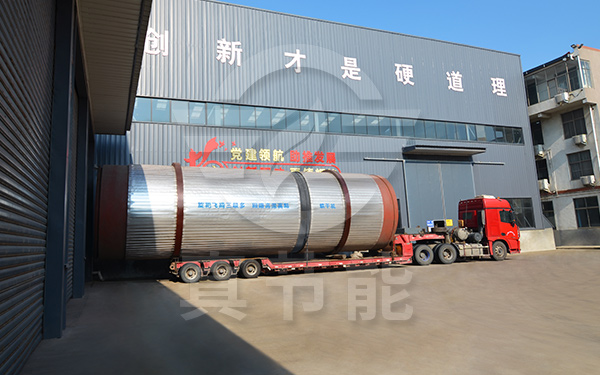
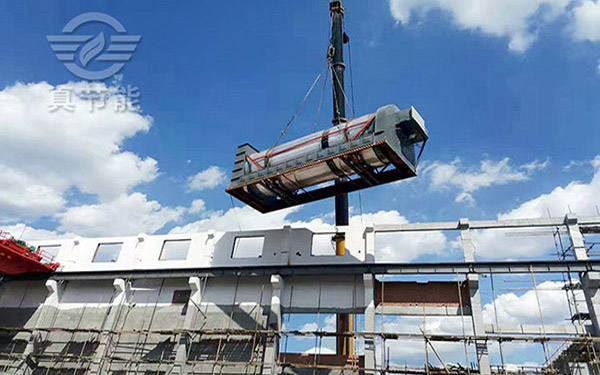
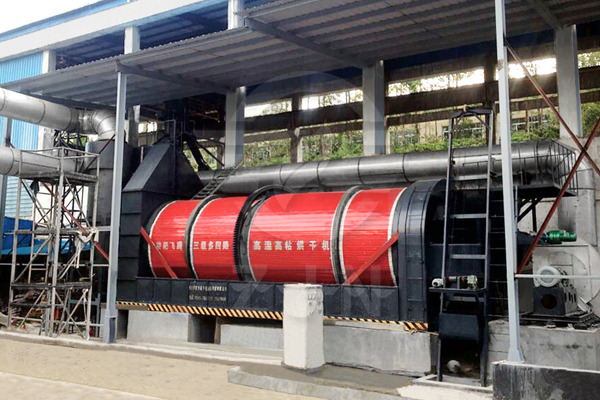
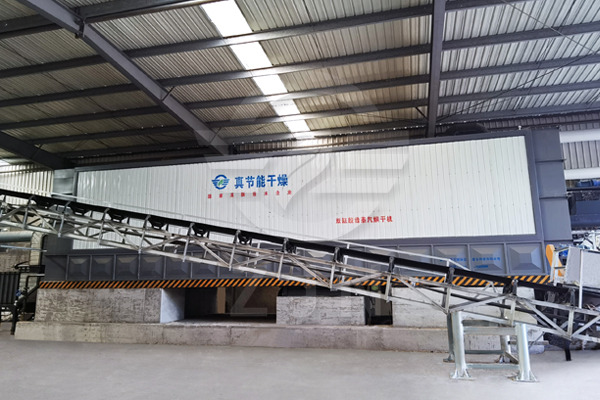
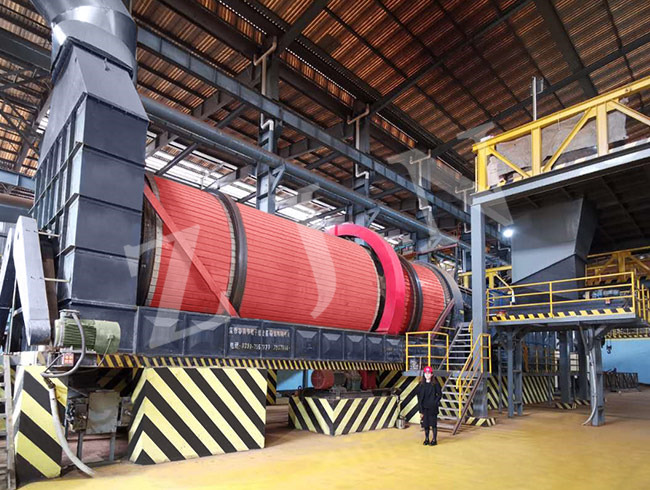
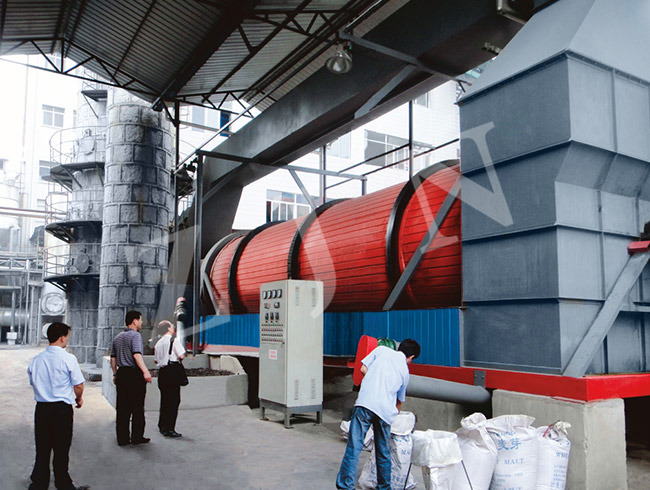
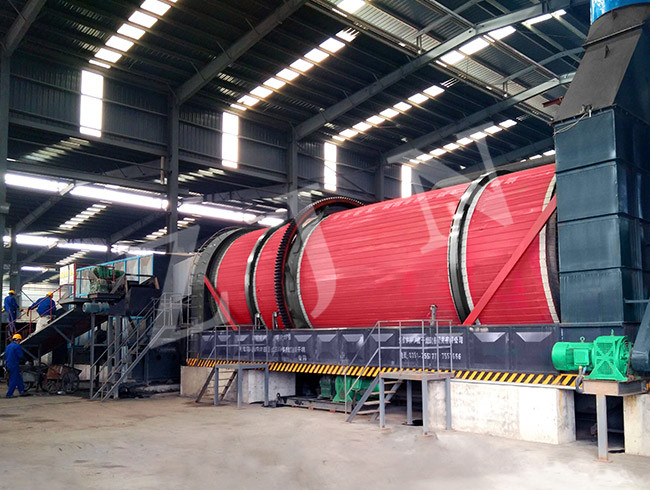
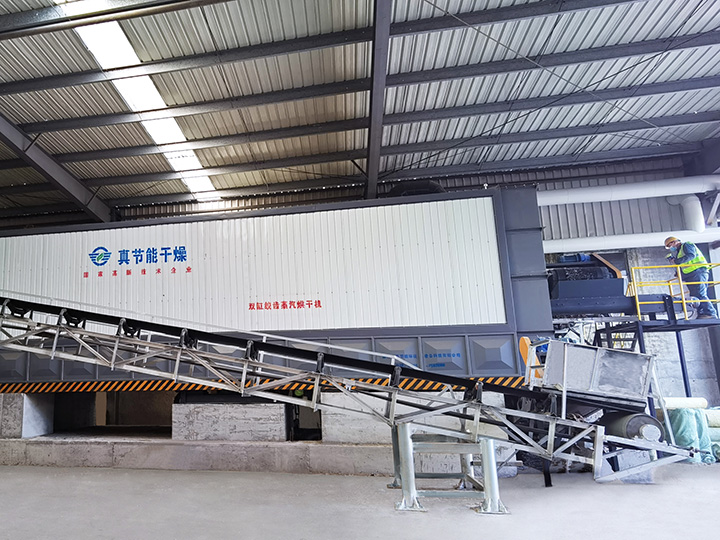
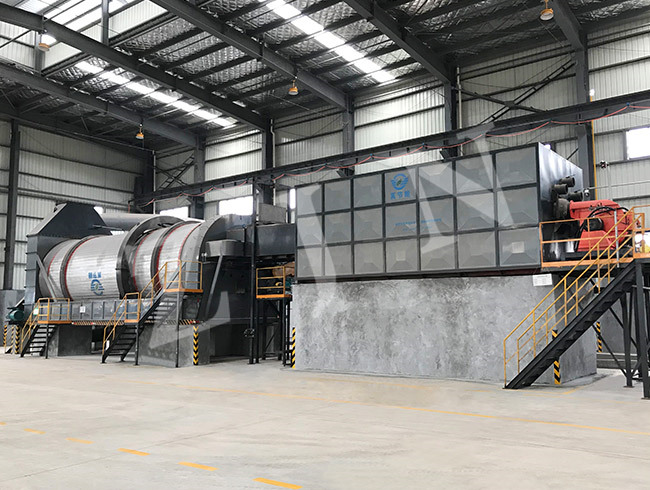
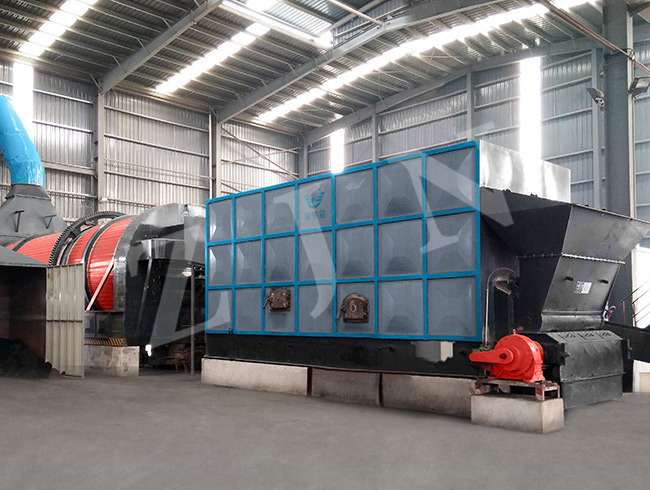
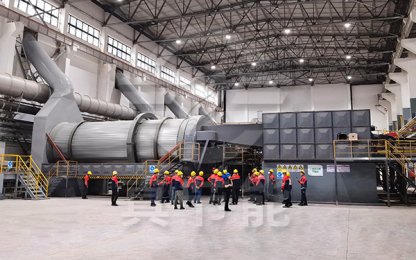
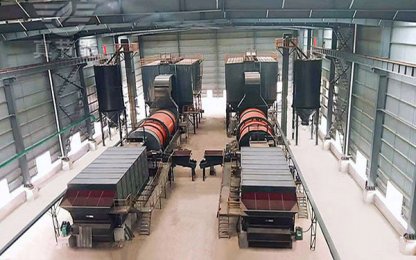
The widespread application of sludge drying equipment in the market has brought innovative development ideas to manufacturers across industries. Looking at the overall development of industrial production, enterprises of all kinds adopt sludge drying equipment to treat sludge and residue waste generated during production, achieving the goals of harmless, stabilized, volume-reduced and resource-based disposal of sludge. Therefore, the development of sludge drying equipment bears great practical significance.
Sludge drying equipment comes in a wide variety of models to meet diverse user and market demands. Equipment types vary greatly for different industries and different sludge types. Users should select equipment based on their actual production requirements; only properly matched drying equipment can ensure the treated sludge meets standard specifications.
Sludge drying equipment can be classified by sludge drying process or production efficiency. In practical production, equipment ranges from small to large sizes to satisfy different actual sludge handling capacities of users. High-quality, high-performance sludge drying machines are custom-manufactured by manufacturers according to clients’ production demands, with matched supporting auxiliary parts. Customized equipment can better adapt to on-site production conditions.
Application Scope of Sludge Drying Equipment
Municipal, electroplating, papermaking, textile, printing & dyeing, chemical, leather-making, pharmaceutical, mining, metallurgical and other industries. Applicable materials include municipal sludge, electroplating sludge, papermaking sludge, textile sludge, printing & dyeing sludge, chemical sludge, leather sludge, pharmaceutical sludge, ores, mineral residues, coal, metal powder, clay, diatomite, kaolin and other sludge-like wastes.
Agriculture, feed and fertilizer industries. Applicable materials: straw, forage grass, leaves, fish meal, corn mash, starch residue, distillers’ grains, medicinal residues, fruit pomace, soy sauce residue, bagasse, potato residue, peat, organic compound fertilizer, sludge, aquatic waste, food factory waste, slaughterhouse waste, organic fertilizer, inorganic fertilizer, phosphate fertilizer and ammonium sulfate.
Powdered and granular materials requiring special drying standards, such as various crystals, light calcium carbonate, activated clay, magnetic powder, graphite, inorganic mud, pottery clay, lime slurry, mineral slurry, phosphate slag, red mud from aluminum plants and other wastes.
Materials requiring large-scale continuous low-temperature drying treatment.
The core goal of sludge disposal is to realize resource recycling and harmless reuse of sludge so as to fulfill environmental protection targets. Sludge drying equipment is specially designed to achieve these objectives.