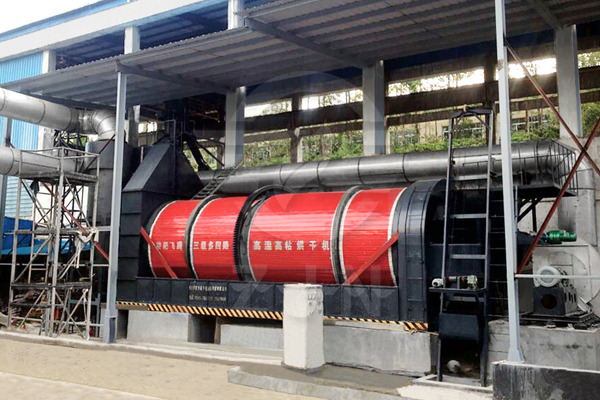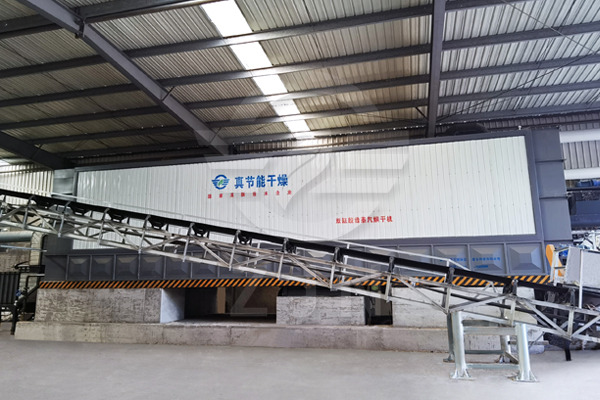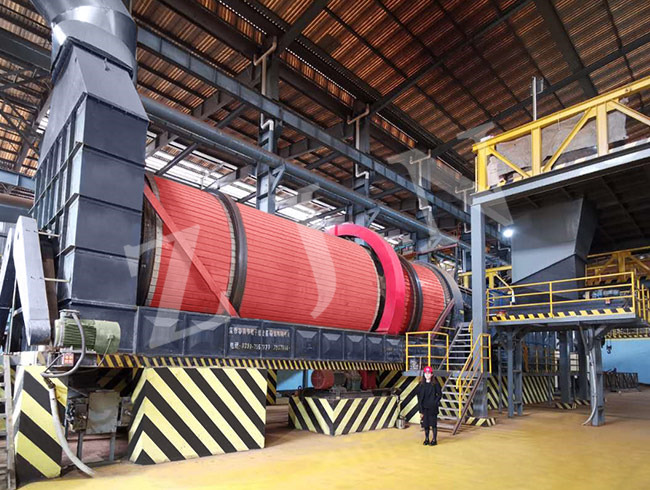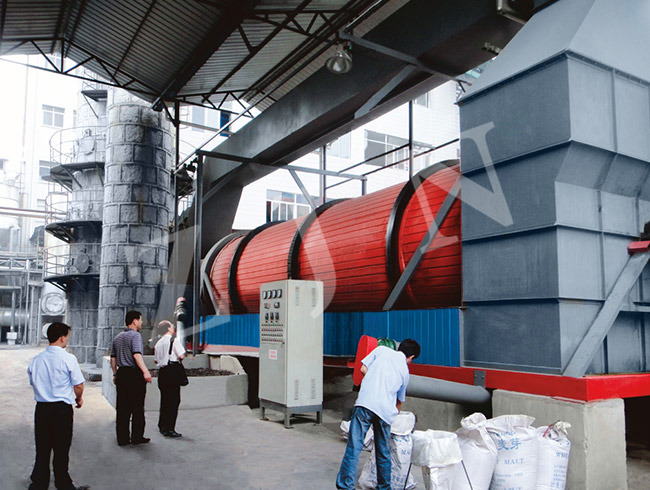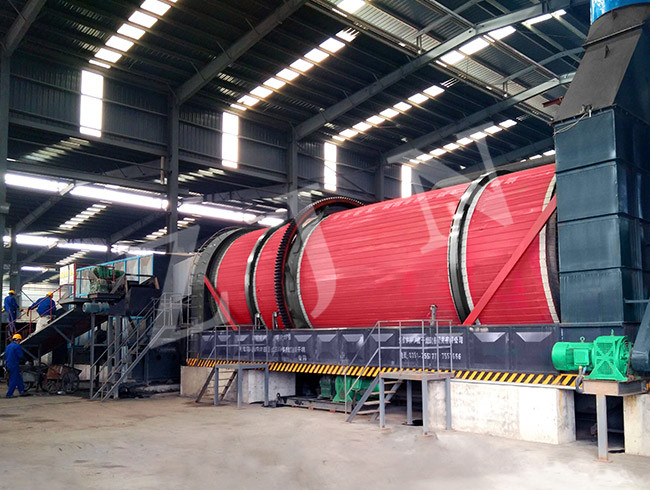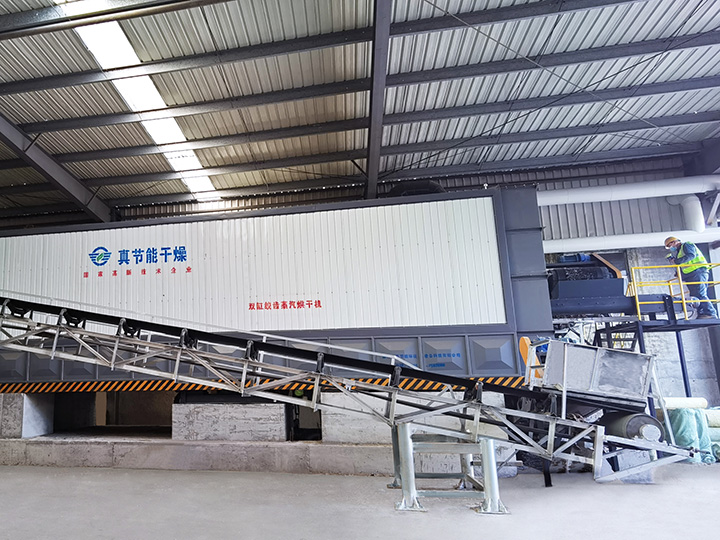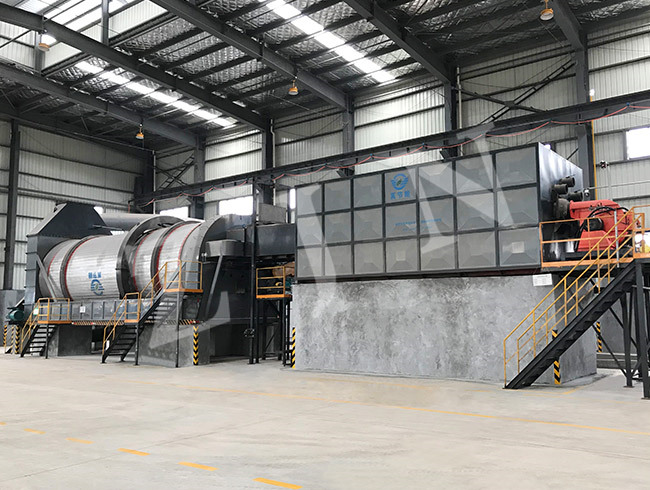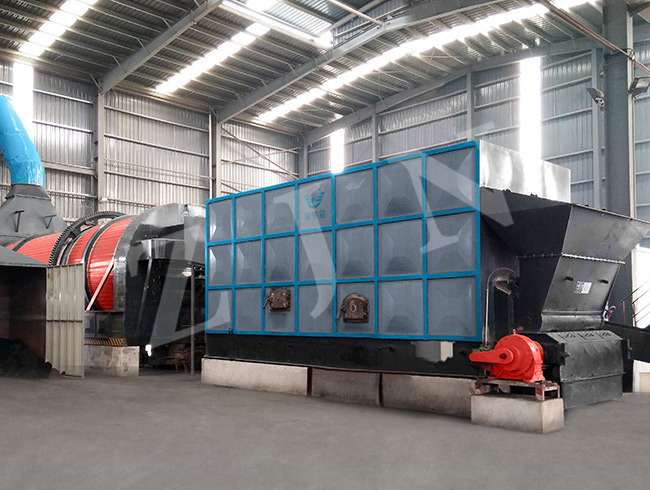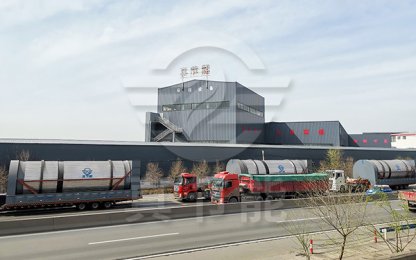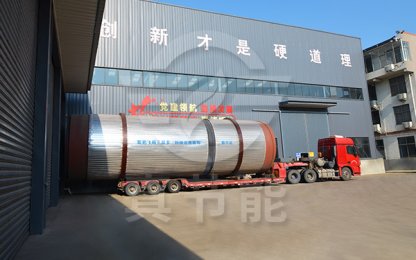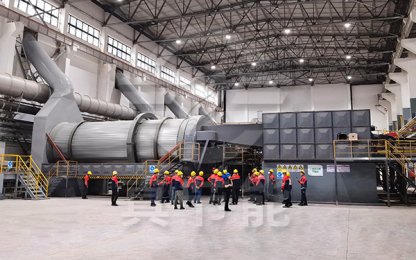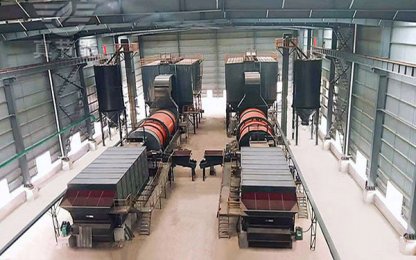
Three-pass dryers are widely adopted for kitchen waste treatment, favored by numerous clients for large throughput, fast drying speed, flexible operation and high automation. Most investors pay close attention to operating costs, among which heating cost accounts for the largest share, followed by maintenance and labor expenses. So how to pick proper fuel to cut running costs?
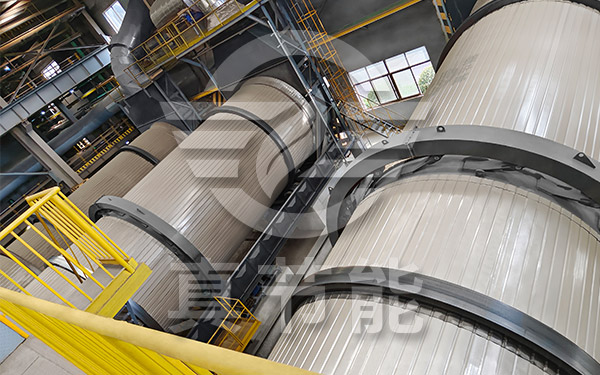
Kitchen waste dryers support a wide range of fuels. Coal and diesel were mainstream heat sources in the past. However, coal is non-renewable and releases massive CO₂, sulfur dioxide and other toxic pollutants during combustion, bringing heavy waste gas treatment pressure. Despite its low raw material price, coal is phased out in most drying projects due to strict environmental regulations. Currently applicable fuels include natural gas, biomass pellets, boiler flue gas, waste steam and more. Each heat source carries unique merits; the selection shall be made based on actual site conditions with the following factors taken into full consideration:
When matching heat source equipment, accurate temperature control is essential with safeguards against overheating. Steady operation and safety precautions must also be implemented to prevent explosion risks and other malfunctions.
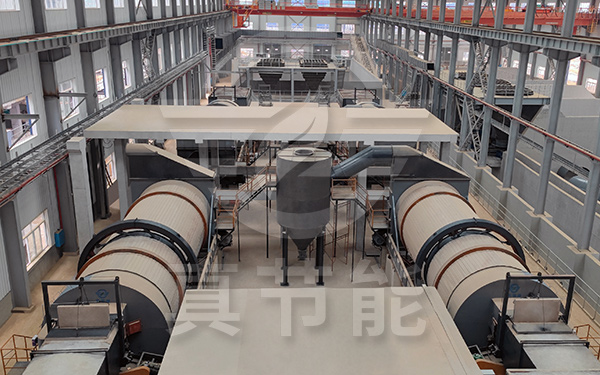
The above covers fuel selection guidelines for kitchen waste dryers for your reference. ZJN complete kitchen waste drying units feature rational layout, small footprint and high automation. Multiple heating modes are optional to create optimal production conditions.

Address: Yingbin Avenue, Jiaozuo City, Henan Province, China.




Copyright ©2022 by Jiaozuo ZJN Environmental Protection Equipment Technology Co., Ltd.