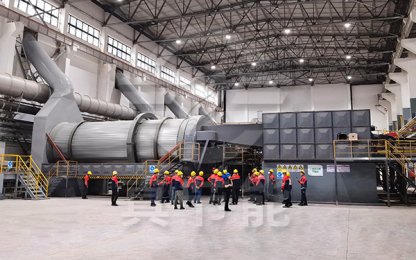
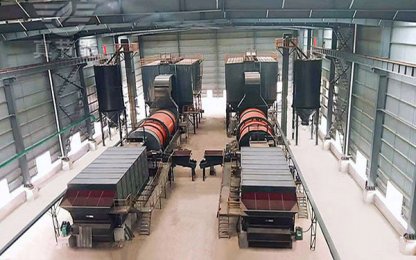
Environmentally friendly sludge drying equipment is an emerging new type of facility in recent years. It serves as an efficient tool for sludge dewatering, drying and resource recovery, delivering outstanding social, economic and environmental benefits. At present, many enterprises face a large and annually growing volume of sludge, creating heavy drying workloads. Sludge disposal companies have to boost production capacity and expand operation scales to meet actual sludge drying demands. So what factors affect the processing capacity of environmentally friendly sludge dryers? Details are as follows:
1. Model and Configuration of Equipment
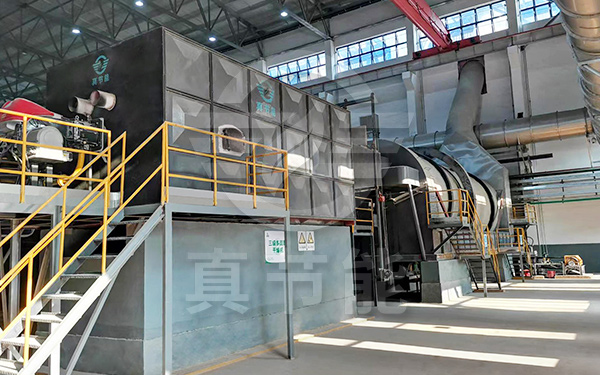
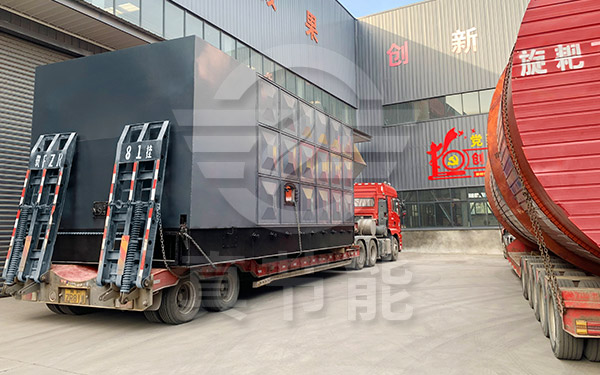
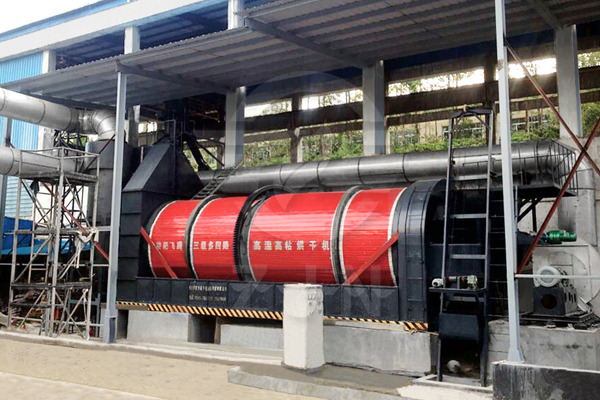
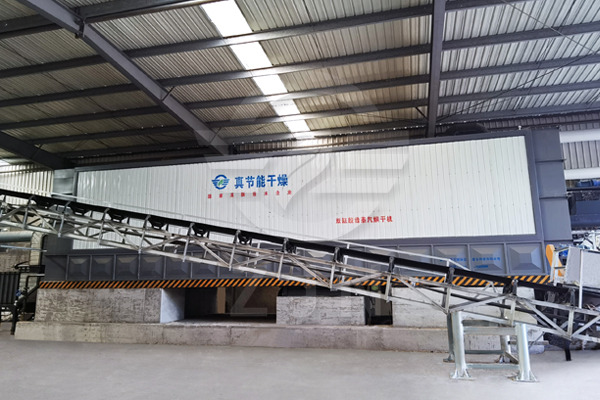
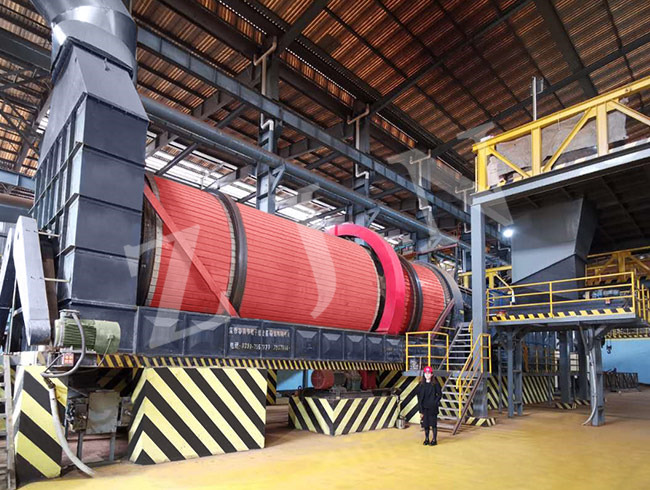
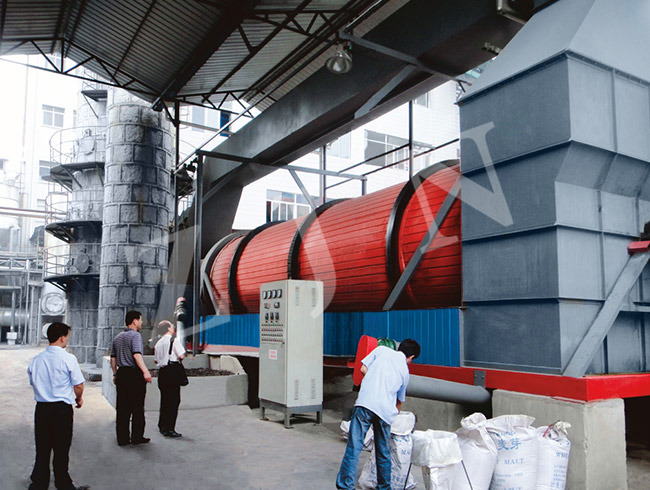
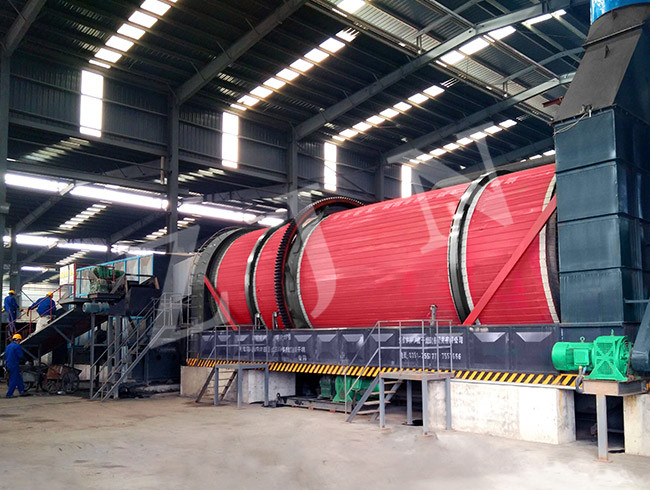
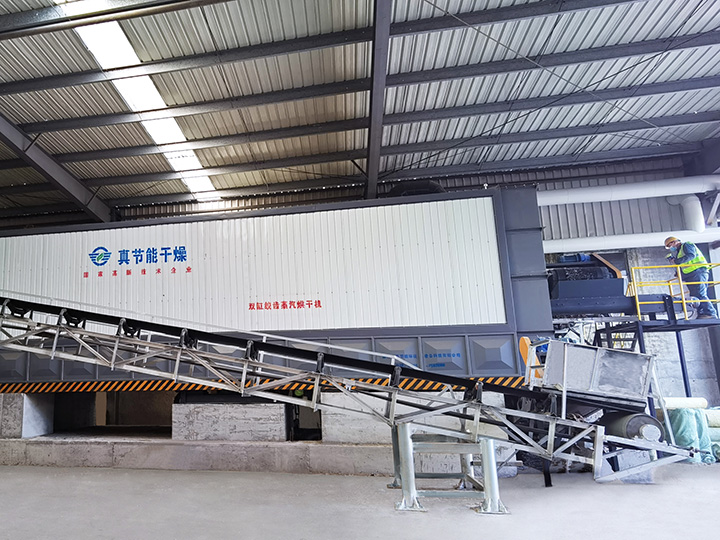
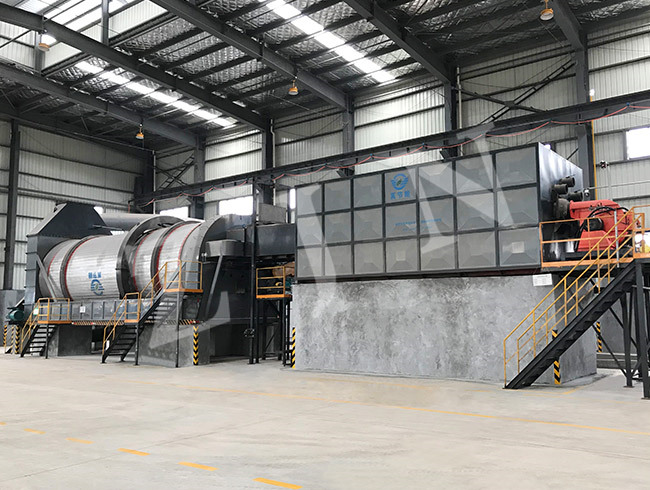
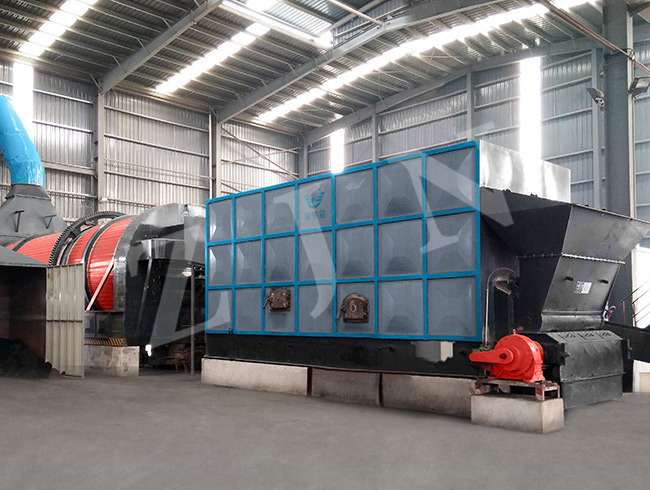
The model and configuration of the dryer are the decisive factors for its daily throughput. Large-scale drying projects require equipment with matching specifications. For example, the rotary rake three-stage multi-loop dryer for high-moisture and high-viscosity sludge allows customized matching of the main drying unit, heat source system and auxiliary equipment according to clients’ actual production needs to satisfy all drying requirements.
2. Heat Supply
Sustained and stable heat supply is critical during drying. Insufficient heat will discharge materials before they reach the target dryness, worsening drying performance and raising extra costs for secondary drying.
3. Drying Process
The rotary rake three-stage multi-loop sludge dryer adopts a three-stage drying process: co-current drying, counter-current drying and reciprocating drying. Each stage adapts to fluctuating material moisture levels and extends the contact path between sludge and hot air to accelerate moisture evaporation. Built-in breaking and material lifting components fully mix wet sludge with hot air to boost heat transfer efficiency. Its throughput is several times higher than that of conventional dryers.
4. Viscosity of Raw Sludge
High-moisture, sticky sludge is harder to dry. It consumes more fuel and takes longer processing time, and tends to stick and clump inside the cylinder, lowering daily output. The three-stage multi-loop dryer is specially engineered for such tough materials. Its exclusive drying technology and optimized structure gradually turn wet, sticky sludge into loose dry material, thoroughly solving the drying difficulties of viscous wet sludge.
The above lists key factors influencing dryer throughput. Large drying projects often process over one hundred tons of sludge daily; undersized equipment cannot keep up with production. Higher throughput also cuts heat consumption and improves working efficiency.
With over 30 years of experience in drying technology, ZJN provides tailor-made drying solutions to handle all types of high-moisture sticky sludge, solid waste and hazardous waste sludge.