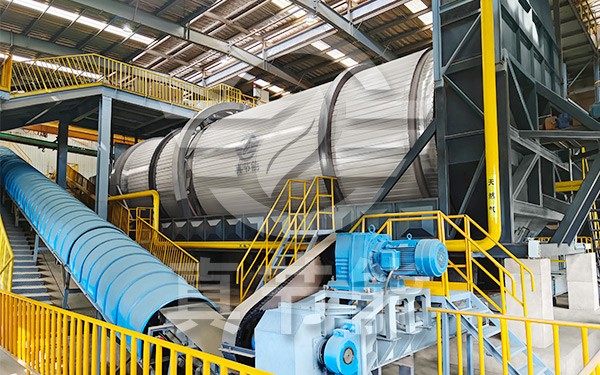
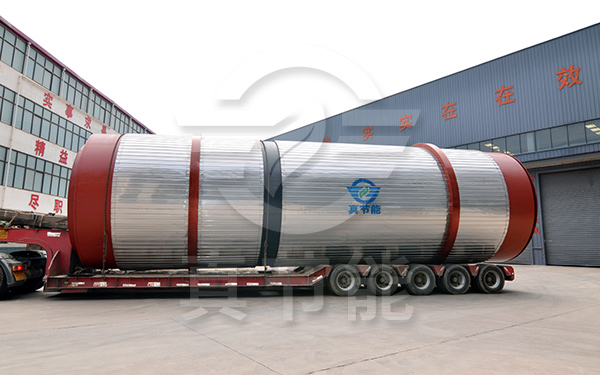
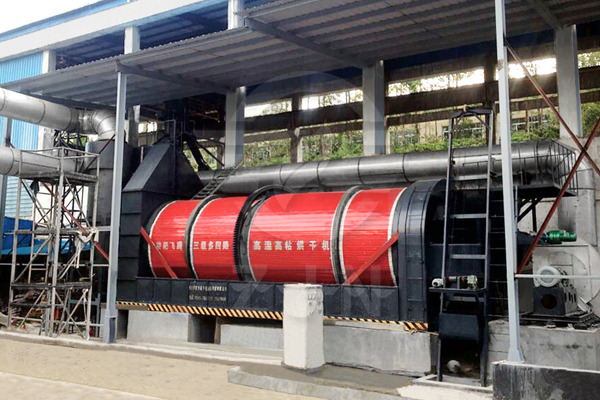
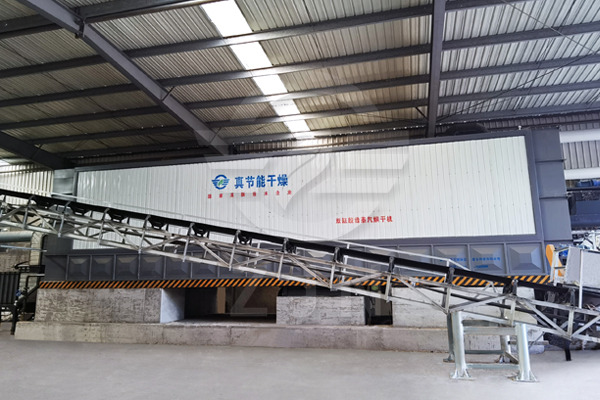
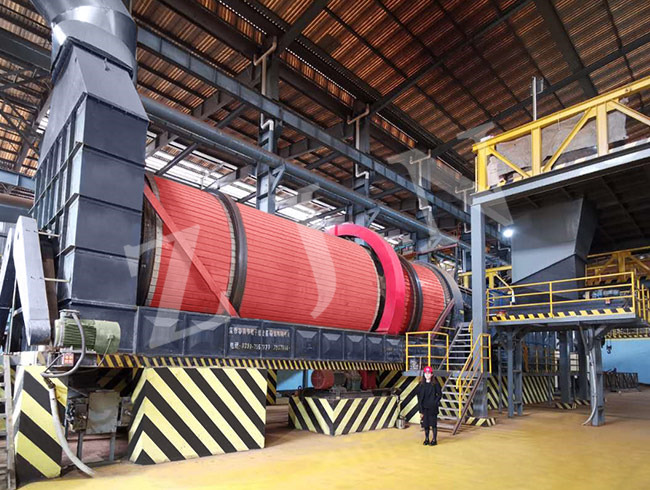
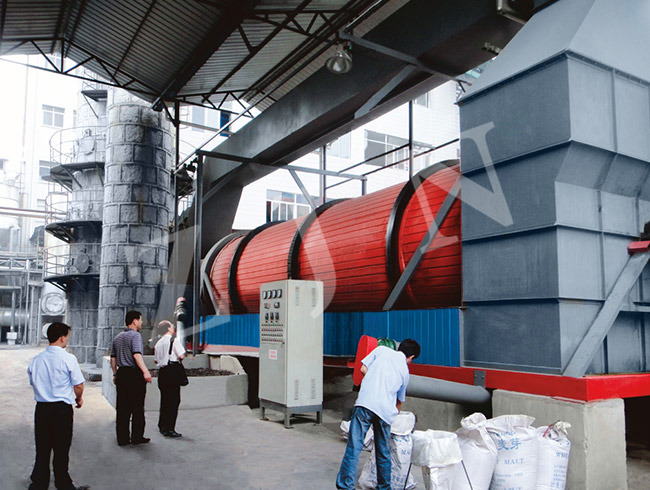
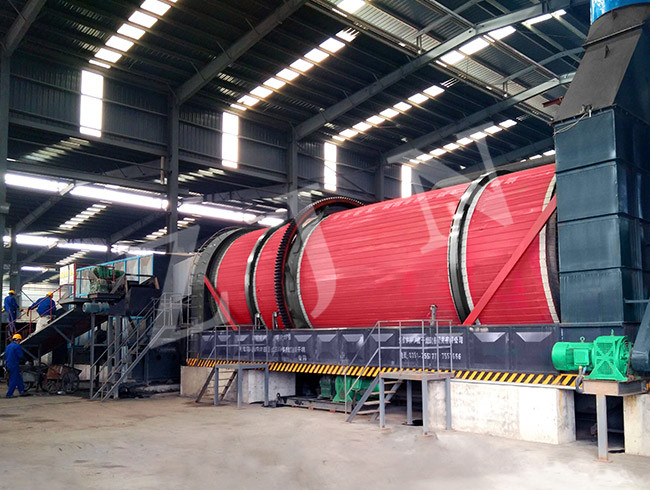
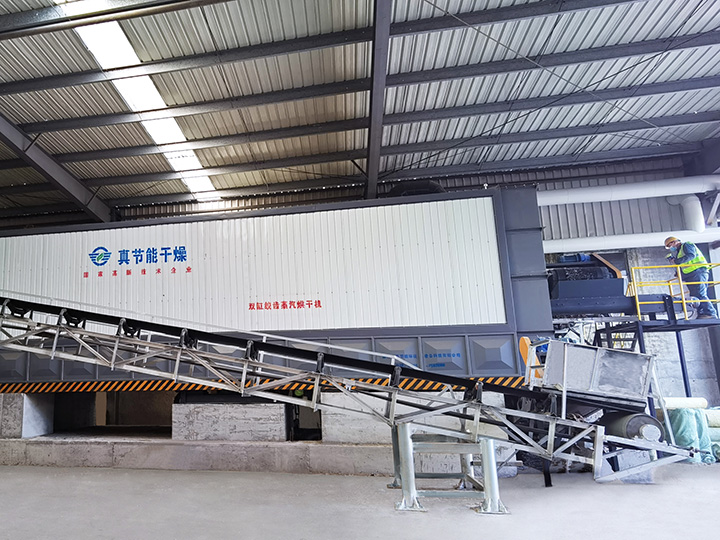
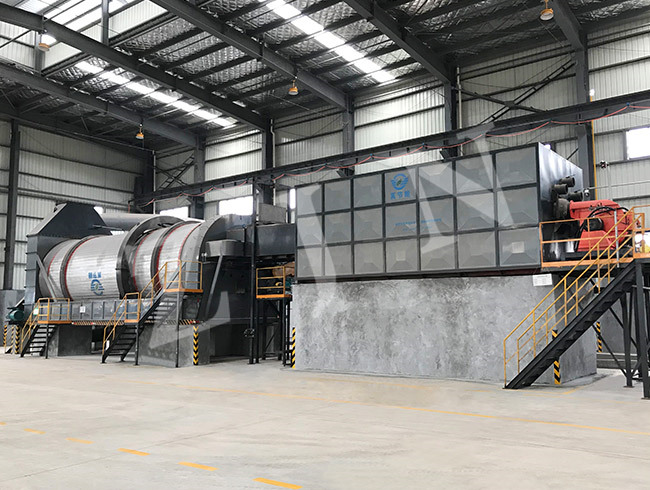
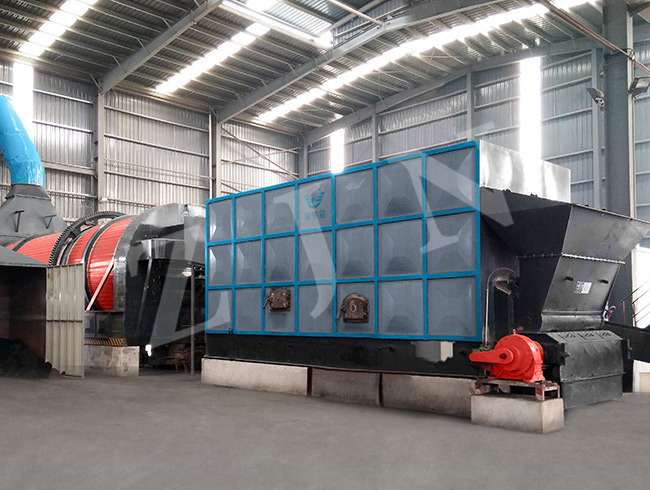
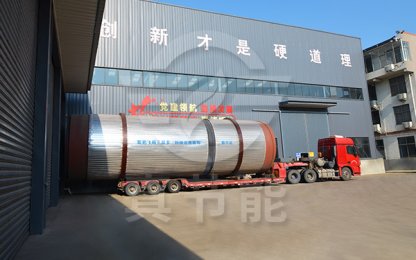
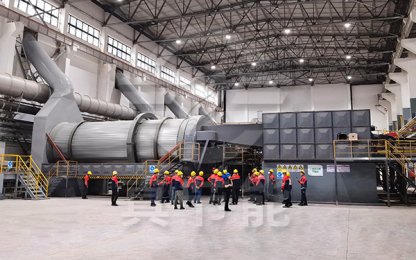
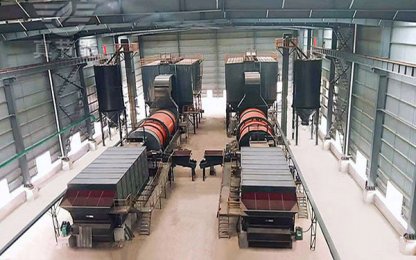
Solid and hazardous waste sludge dryers work on the heat and mass transfer principle between high-temperature hot air and wet sludge. Heat evaporates massive moisture from sludge to realize dehydration. Featuring excellent drying effect, large throughput, stable performance and long service life, the equipment can rapidly reduce sludge moisture content. For this reason, more and more enterprises have built complete solid and hazardous waste sludge drying lines. As heavy-duty machinery, the dryer is prone to various typical faults. Below is a summary of frequent problems and corresponding solutions.
I. Insufficient lubrication, inadequate heat supply, loose belts and worn parts
Solutions
These are routine faults during equipment operation, which can be addressed with targeted measures:
- Adjust belts regularly; replace worn components timely; fasten loose bolts and fittings securely.
- Ensure sufficient lubrication for bearings and gears.
Operators shall conduct periodic inspections and watch out for abnormal running conditions.
II. Sludge sticking to dead corners of the cylinder wall
Solid and hazardous waste sludge is characterized by high moisture and strong viscosity. During contact with hot air, slow surface water evaporation or overlong drying time easily causes sludge adhesion on cylinder dead zones. Uncleaned buildup will degrade drying quality and efficiency, and may even damage the dryer.
Solutions
- Regular cylinder cleaning: After a period of operation, shut down the machine to clear accumulated sludge inside the cylinder for stable high-efficiency running.
- Speed up drying process: Install special crushing and material lifting assemblies inside the cylinder to fully mix wet sludge with hot air, boost heat & mass transfer and shorten drying duration.
- Maintain uniform and moderate feeding volume to avoid blockage caused by excessive one-time feeding.
III. Uneven drying of sludge
Uneven drying mainly results from insufficient heat supply or excessively high moisture of incoming sludge.
Solutions
- Secure stable fuel supply to keep cylinder temperature within the specified range.
- Pre-dehydrate high-moisture viscous sludge via filter presses, dewaterers or centrifuges before feeding into the dryer, so as to improve the uniformity of finished dried sludge.