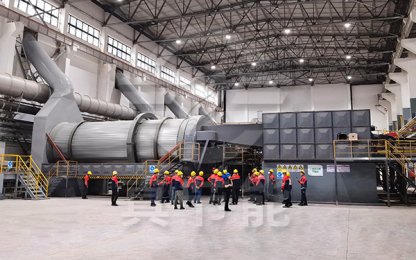
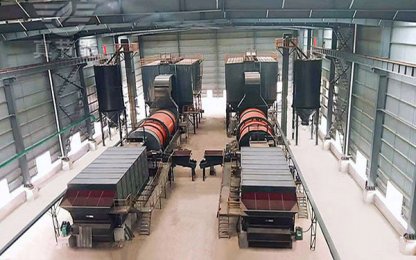
A large amount of sludge is generated during industrial production and municipal operation. The core function of sludge drying equipment is to reduce sludge weight by evaporating internal moisture, lowering the overall moisture content of sludge. This facilitates subsequent transportation, stacking and resource recycling, making the equipment a core facility for solid waste disposal and energy-saving & environmentally friendly production. Below is a detailed introduction to the complete drying process of ZJN sludge drying equipment.
1. Overall Equipment Composition
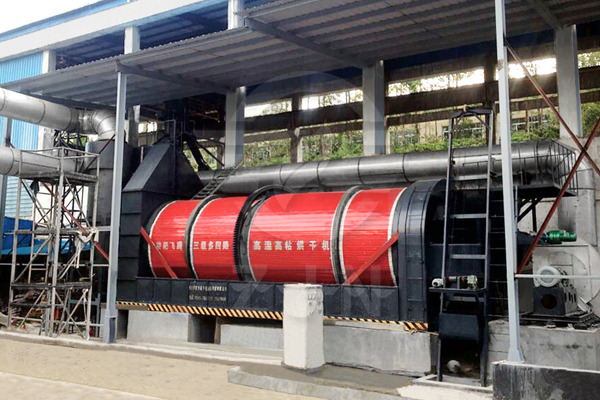
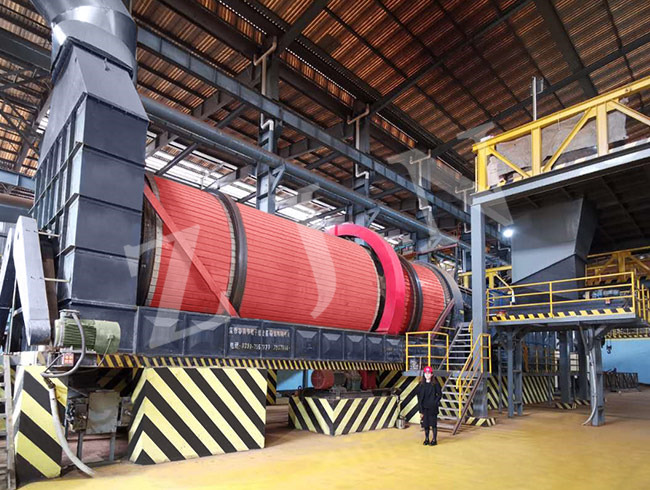
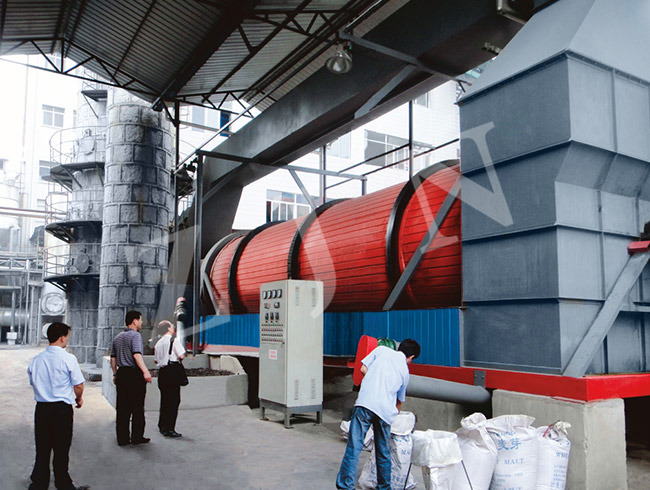
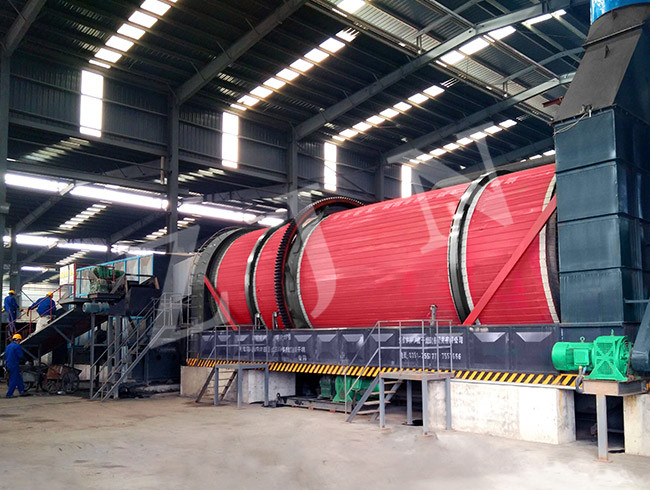
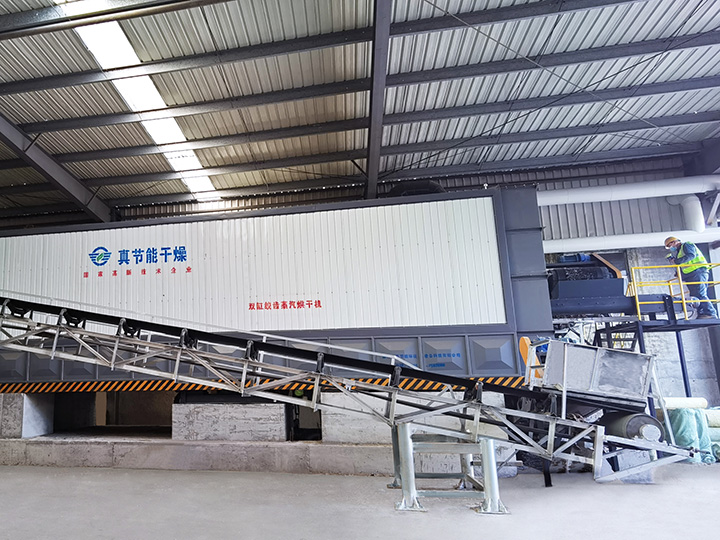
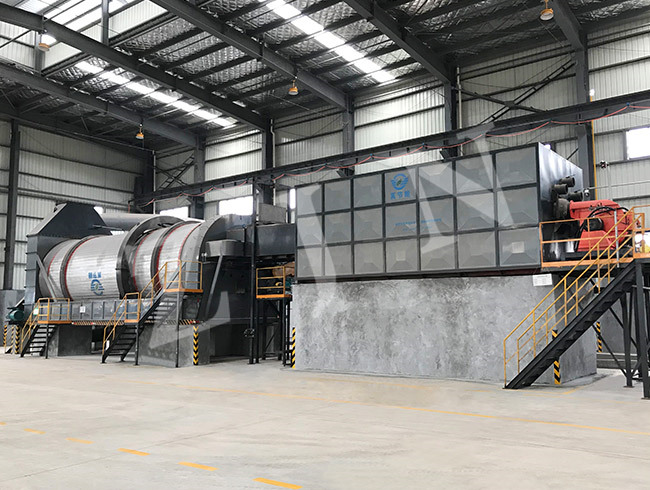
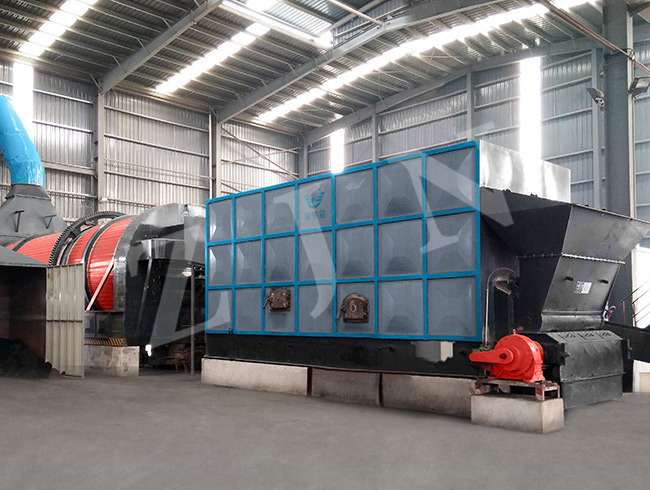
The integrated complete sludge drying system mainly consists of a heat supply system, automatic feeding device, three-stage multi-loop drying host, discharging device, induced draft fan, dust removal and purification equipment, electric distribution cabinet and other supporting components. All systems operate in coordinated and automatic manner, completing the full-process operations including sludge feeding, breaking and drying, material conveying and discharging, as well as tail gas purification, featuring stable operation and high automation.
2. Core Drying Process of Three-stage Multi-loop System
ZJN sludge drying equipment adopts the original rotary rake flying three-stage multi-loop drying technology. The whole drying process is divided into three segmented drying stages. Each stage is tailored to sludge with different moisture levels, realizing zoned temperature control and precise drying. It effectively avoids material adhesion, uneven drying and excessive energy consumption.
Process 1: Inner Cylinder Cocurrent Breaking Drying (Primary Dehydration)
Wet sludge is evenly fed into the inner cylinder of the dryer through the feeding device. The special rotary rake breaking device continuously stirs, breaks and separates the sludge, thoroughly eliminating agglomeration. This enables full contact between materials and high-temperature hot air, quickly evaporating free moisture on the sludge surface. The process effectively improves heat energy utilization and drying efficiency, and prevents sludge from sticking to the cylinder wall or clumping together. After primary dehydration, the sludge is guided into the middle cylinder by special material lifting plates for secondary drying.
Process 2: Middle Cylinder Counter-current Vortex Drying (Deep Dehydration)
The middle cylinder adopts the counter-current and vortex drying process. Hot air flows reversely against sludge materials, greatly enhancing gas-solid turbulent mixing and heat exchange efficiency to continuously remove internal bound moisture for deep dehydration. Equipped with the three-stage automatic air volume and temperature regulation technology, the system accurately matches drying working conditions, ensures uniform heating of sludge and avoids uneven drying. The dehydrated sludge is transported to the outer cylinder for final drying.
Process 3: Outer Cylinder Reciprocating Uniform Drying (Final Product Shaping)
The outer cylinder applies the cross-flow and reciprocating drying process. With the cooperation of material sealing structure and special guide plates, materials operate in differentiated modes: high-moisture wet sludge moves slowly and reciprocates for sufficient drying, while low-moisture dry sludge moves forward quickly and discharges in time. This differentiated material conveying mode accurately controls drying standards, ensures uniform and qualified moisture content of finished sludge, and realizes automatic discharging to meet the requirements of subsequent resource utilization.
3. Tail Gas Dust Removal and Purification Process
Flue gas and dust generated during drying operation are drawn into the professional dust removal and purification equipment under the negative pressure of the induced draft fan. After multi-stage filtration, dust removal and purification, pollutants and dust in the waste gas are effectively removed. The treated tail gas fully meets national environmental protection emission standards and is discharged cleanly, minimizing environmental impact and realizing green and low-carbon production.
4. Wide Range of Application Industries and Materials
Featuring strong adaptability, the sludge drying equipment is widely used in municipal, chemical, steel, electroplating, papermaking, printing and dyeing, pharmaceutical, leather making, coal and other industries. It can process various high-moisture and hard-to-dry sludge, including municipal sludge, electroplating sludge, chemical sludge, papermaking sludge, printing and dyeing sludge, textile sludge, coal slime, pharmaceutical sludge, activated sludge, oily sludge, leather sludge and alkali sludge, meeting the solid waste drying demands of multiple industries.
5. Process Advantages Summary
With core technologies including segmented precise drying, rotary rake material breaking and intelligent temperature & air volume regulation, ZJN three-stage multi-loop sludge drying process ensures high equipment capacity and working efficiency, while achieving low energy consumption and environmentally compliant operation. It represents an advanced, stable and cost-effective sludge drying solution in the industry.
ZJN Drying System Co., Ltd. has specialized in R&D and manufacturing of drying equipment for more than 30 years. We master cutting-edge industrial technologies, own a professional technical team and a large number of successful engineering cases. We provide one-stop services including equipment design, manufacturing, installation, commissioning, technical training and after-sales support. Customers are welcome to visit our factory and inquire for cooperation.