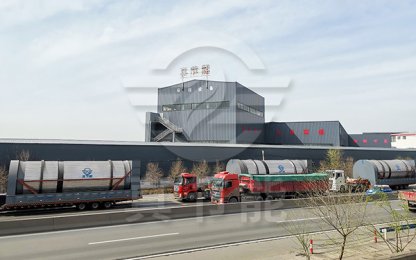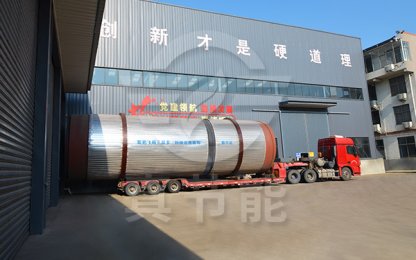
Large volumes of textile sludge are generated during textile manufacturing processes such as printing, dyeing and spinning. Featuring complex composition, the sludge contains dyes, chemical auxiliaries, fiber residues and trace heavy metals, with typical characteristics of high moisture, strong viscosity, easy agglomeration and peculiar odor. It poses great treatment difficulties and strict environmental compliance pressures. Traditional textile sludge treatment is generally troubled by insufficient volume reduction, high energy consumption, secondary pollution and unstable equipment operation, seriously restricting the green and sustainable development of textile enterprises.
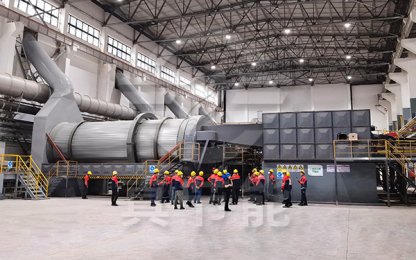
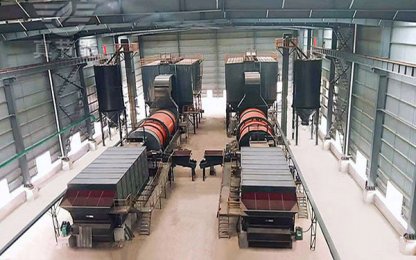
ZJN Drying System Co., Ltd. is deeply specialized in sludge drying and solid waste treatment technology. Targeted at the characteristics of textile sludge, ZJN independently developed professional textile sludge drying equipment. Through technological innovation and process optimization, the equipment realizes harmless treatment, volume reduction and resource utilization of textile sludge, providing reliable and efficient solutions for textile enterprises to solve environmental treatment difficulties.
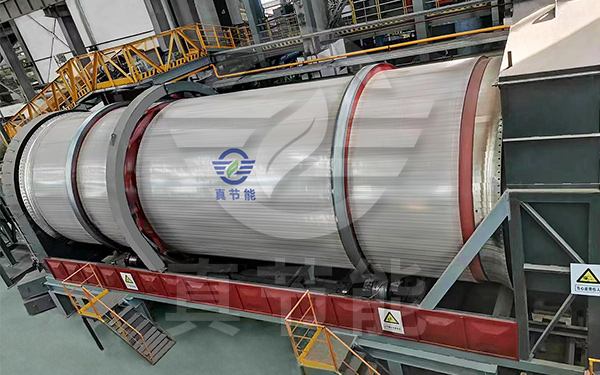
Solve Insufficient Volume Reduction & High Disposal Costs
Most traditional textile sludge treatment only adopts simple mechanical dewatering. The dewatered sludge still maintains high moisture content and bulky volume, occupying a large amount of storage space. It also brings high costs for transportation and landfilling, and easily causes secondary environmental pollution.
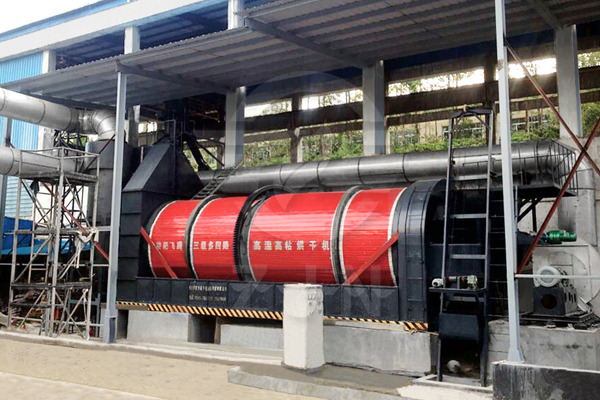
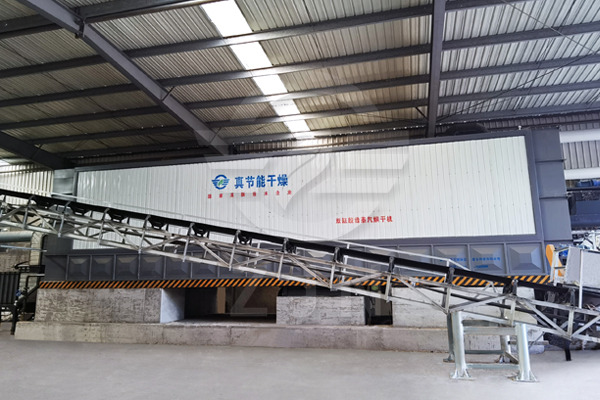
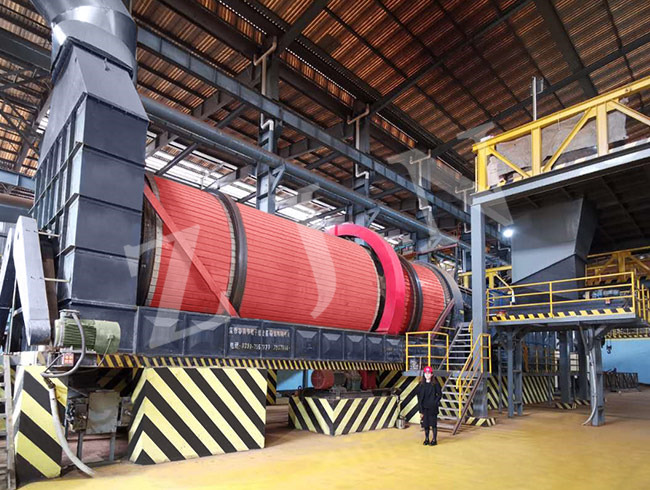
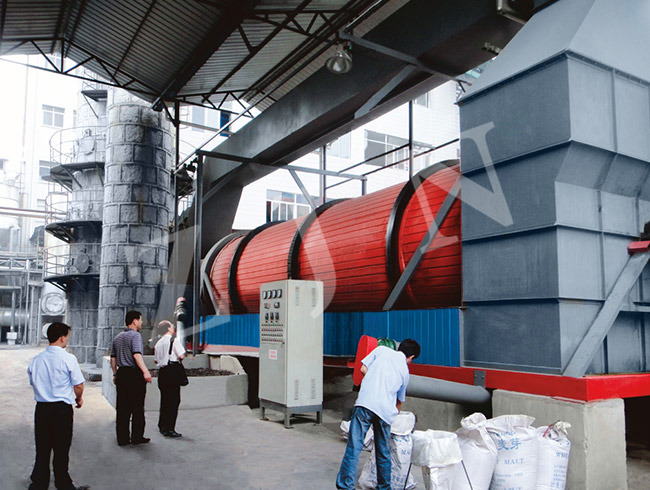
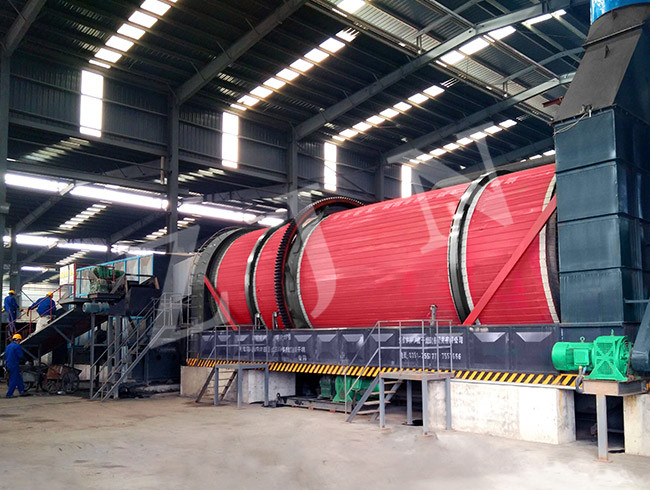
ZJN textile sludge drying equipment adopts the exclusive 3‑Stage Multi‑Loop rotary rake drying technology equipped with professional material breaking devices. It effectively breaks sludge agglomeration, enables full contact between high‑viscosity wet sludge and hot airflow, and rapidly evaporates internal moisture. After drying treatment, the sludge moisture content and volume are greatly reduced, which significantly lowers storage, transportation and final disposal costs. Meanwhile, it creates favorable conditions for subsequent sludge resource recycling and completely improves the defects of traditional treatment methods.
Solve High Energy Consumption & High Operating Costs
The textile industry belongs to high energy‑consuming industries. Traditional drying equipment is low in thermal efficiency and high in power consumption, which increases enterprise operating costs and fails to meet national low‑carbon and green development requirements.
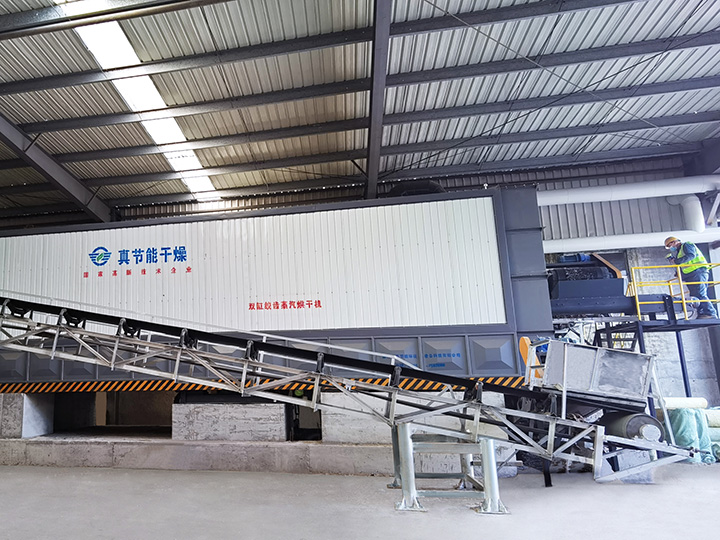
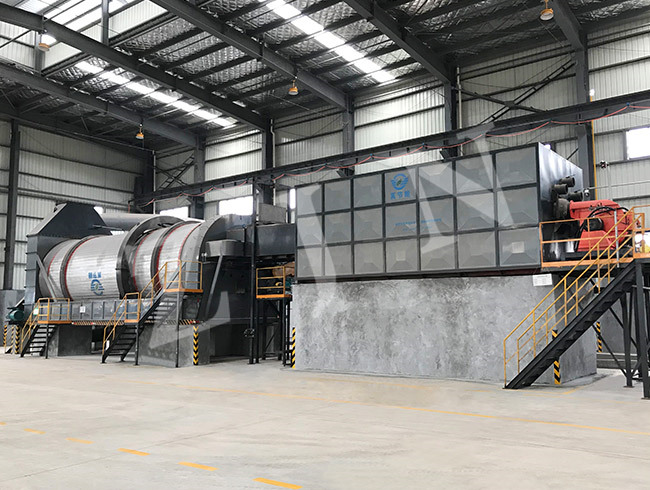
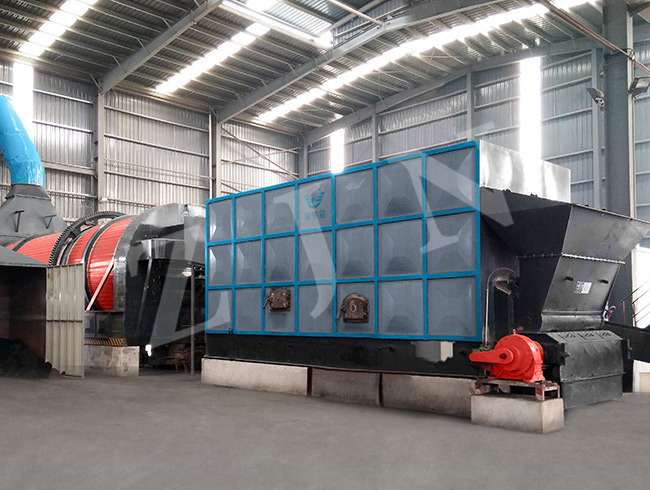
ZJN textile sludge drying equipment is optimized for diverse heat source adaptation, which can flexibly utilize multiple heat sources such as steam, natural gas and factory boiler waste heat. The waste heat recycling technology greatly improves energy utilization rate and reduces overall energy consumption. Adopting the advanced co‑current + counter‑current + co‑current three‑stage drying process, the equipment effectively reduces heat loss, improves thermal efficiency, realizes dual advantages of energy saving and environmental protection, and helps textile enterprises reduce operational pressure.
Solve Secondary Pollution & Emission Non‑compliance Problems
Textile sludge contains residual dyes and chemical additives. Improper drying treatment easily produces odor, dust and harmful exhaust gas, resulting in secondary air pollution and failing to meet environmental emission standards.
ZJN textile sludge dryer is equipped with a complete tail gas purification system, including cyclone dust removal, bag dust removal and scrubber tower treatment. It effectively removes dust, odor and harmful substances generated during the drying process, ensuring all exhaust gas meets national environmental protection discharge standards with zero secondary pollution. In addition, the whole machine adopts negative pressure operation to prevent dust and odor leakage, keeping the production workshop clean and environmentally friendly.
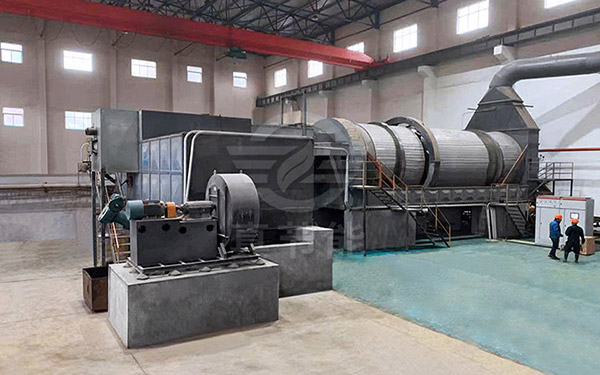
Solve Unstable Operation & Poor Adaptability
Due to the complex components and high viscosity of textile sludge, traditional drying equipment is prone to material adhesion, cylinder wall scaling, blockage and frequent failures, unable to support continuous and stable production with high maintenance costs.
Aiming at the characteristics of textile sludge, ZJN optimizes the equipment structure and adopts wear‑resistant and corrosion‑resistant accessories. Equipped with an intelligent PLC automatic control system, the equipment realizes full‑automatic feeding, drying and discharging without manual duty, reducing labor costs and human errors. The equipment supports 24‑hour continuous stable operation with low failure rate, and is highly adaptable to textile sludge with different water contents and different components, fully meeting the production demands of printing, dyeing, spinning and other textile enterprises.
As a leading manufacturer of energy‑saving drying equipment, ZJN Drying System Co., Ltd. relies on mature core technology and rich engineering experience to accurately solve various pain points of textile sludge treatment. ZJN textile sludge drying equipment strictly complies with environmental policies and enterprise actual production needs, and has been widely applied in the textile industry, winning high recognition from global customers.

Address: Yingbin Avenue, Jiaozuo City, Henan Province, China.



Copyright ©2022 by Jiaozuo ZJN Environmental Protection Equipment Technology Co., Ltd.