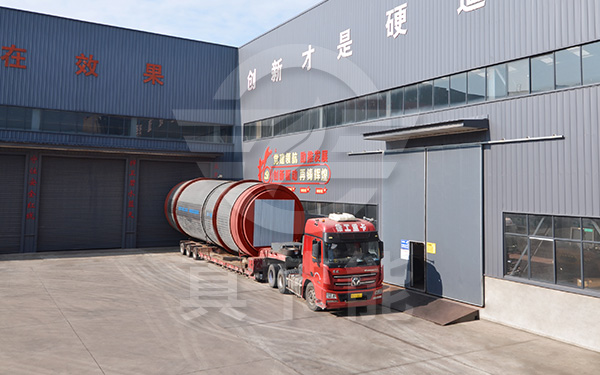
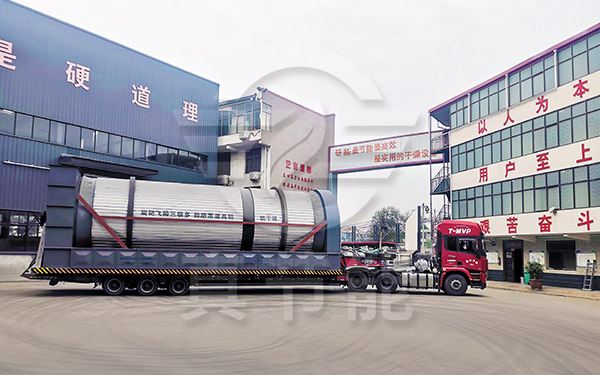
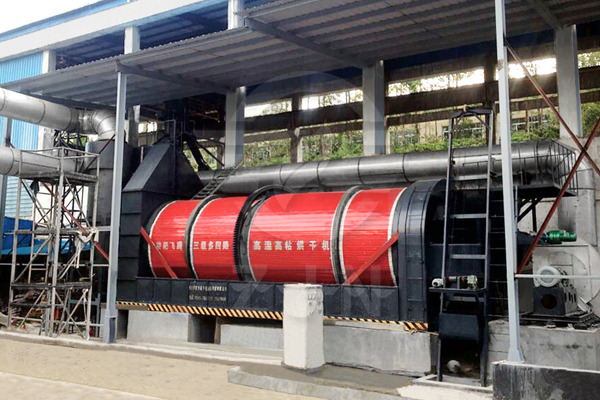
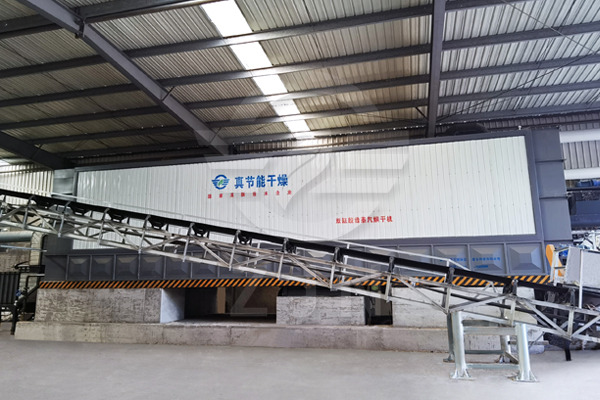
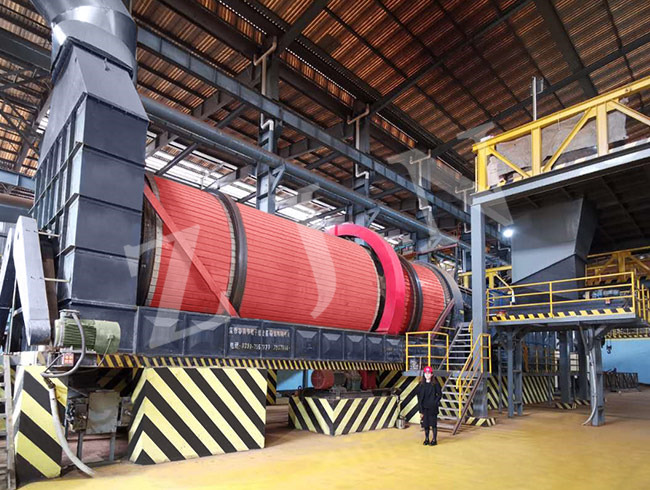
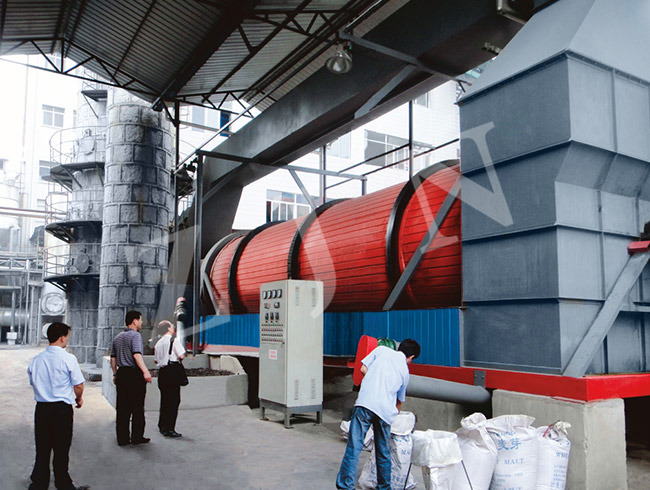
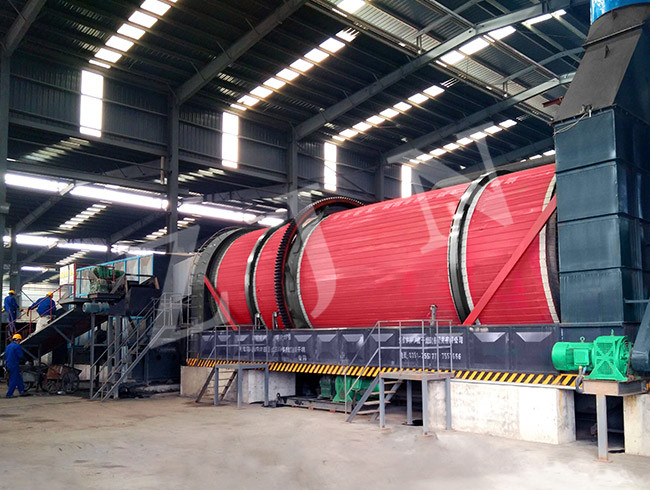
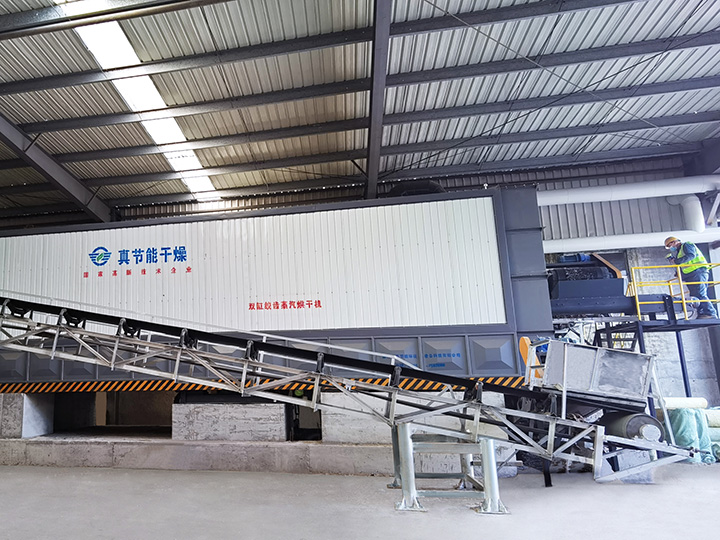
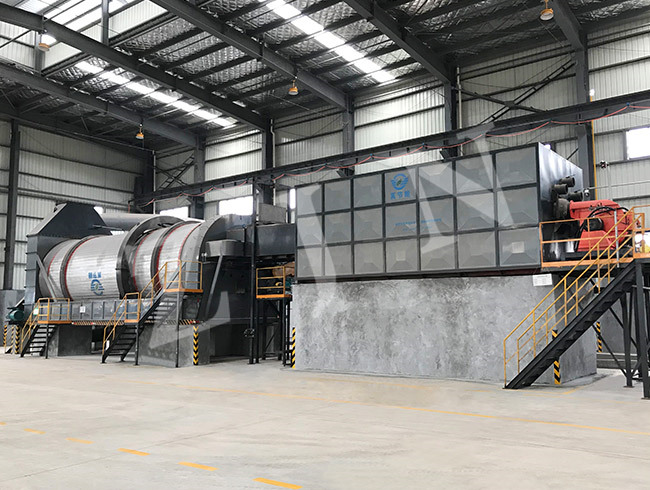
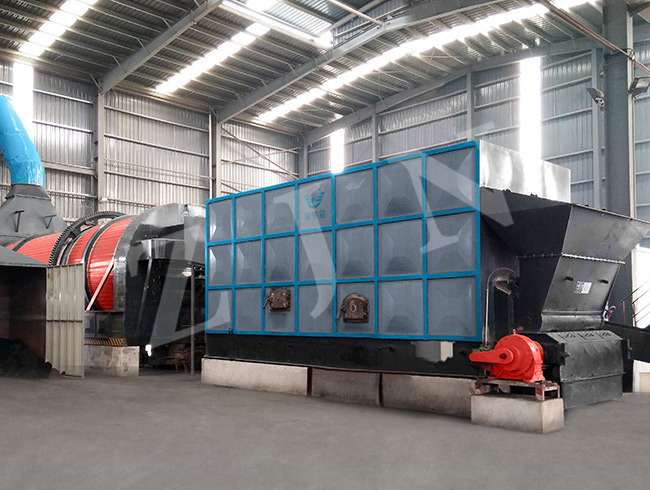
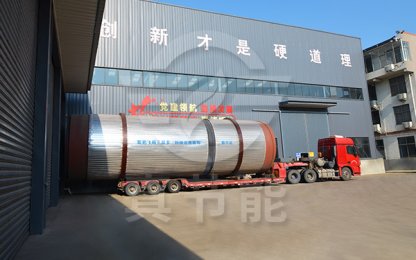
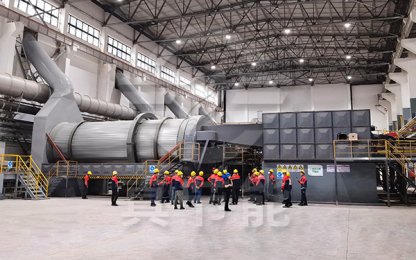
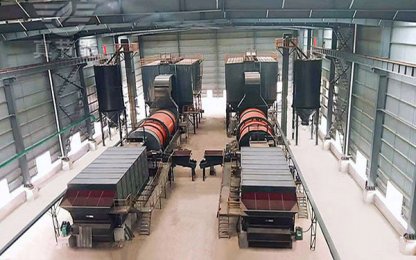
Fermented feed dryers are mainly used for dewatering and drying fermented feed materials. After professional drying treatment, the comprehensive utilization value of feed materials is greatly improved, while material storage and transportation become more convenient. The service life of the dryer directly affects production efficiency and enterprise operating costs. Therefore, understanding and optimizing key influencing factors is essential to maintain long-term and stable equipment operation. This article systematically analyzes the core factors that determine the service life of fermented feed dryers.
1. Equipment Design and Manufacturing Quality
1.1 Design Rationality
The overall structural design directly determines the operational stability and service life of the fermented feed dryer. A scientific design fully considers equipment load capacity, operating environment and actual working conditions. Unreasonable air duct layout, low heat exchange efficiency and structural defects will cause excessive operating load, continuous heat accumulation and accelerated equipment loss, greatly shortening the service cycle.
1.2 Material and Workmanship
High-quality materials and precise manufacturing processes are the foundation of equipment durability. Fermented feed drying involves continuous temperature and humidity changes and slight corrosive substances. Adopting high-temperature and corrosion-resistant stainless steel materials and fine processing technology effectively resists high-temperature oxidation, material abrasion and medium corrosion. Inferior materials and rough workmanship easily cause wear, deformation and leakage, leading to frequent failures and premature aging.
2. Operation and Maintenance Management
2.1 Standardized Operation
Standard operation is a vital guarantee for extending equipment service life. Operators must follow official operating procedures and avoid overloaded operation, excessive drying temperature and unstable feeding volume. Non-standard operations will cause structural damage and thermal overload, accelerating equipment wear and failure.
2.2 Regular Maintenance
Routine maintenance effectively prevents potential equipment failures. It includes regular inspection and cleaning of drying drums, fans, heating components and transmission systems to ensure stable operation. Timely replacement of wearing parts such as sealing rings and bearings avoids system stagnation and failure caused by component aging, maintaining stable equipment performance for a long time.
3. Operating Environment Conditions
3.1 Environmental Conditions
The operating environment greatly influences equipment aging speed. Fermented feed dryers are suitable for dry, ventilated and clean workshops. Long-term operation in high-humidity, dusty or corrosive environments will accelerate rusting, circuit aging and component jamming. Accumulated dust and impurities will block air ducts and affect heat dissipation, increasing operating burden and equipment loss.
3.2 Installation Foundation and Position
Standard installation ensures stable equipment operation. The dryer shall be placed on flat, firm and shock-resistant ground with unobstructed feeding, exhausting and dust removal systems. Unstable installation, continuous vibration and frequent displacement will cause structural damage, loose connections and abnormal operation, resulting in shortened service life.
4. Material Characteristics
4.1 Material Moisture and Impurity Content
Material moisture content and impurities directly affect equipment operating load. High-moisture fermented feed requires longer drying time and higher heat load, causing long-term high-load operation and accelerated loss. Hard impurities and particulate contaminants will cause internal abrasion and blockage, reducing equipment stability and service life.
4.2 Feeding Uniformity
Uniform and continuous feeding minimizes equipment wear. Stable material delivery ensures balanced heat load, uniform heat exchange and smooth operation. Uneven feeding leads to local overheating and uneven stress on components, causing partial abrasion and thermal damage and gradually shortening the overall equipment lifespan.
5. Energy Supply and Management
5.1 Energy Efficiency and Energy-saving Control
High-efficiency drying equipment and scientific energy management effectively reduce operating load. Energy-saving design improves heat utilization rate and reduces heat loss. Reasonable waste heat recovery and constant temperature control lower long-term operating pressure and equipment consumption, extending service life.
5.2 Energy Supply Stability
Stable power and heat supply are essential for long-term stable operation. Voltage fluctuation, heat source interruption and unstable air supply will cause abnormal startup and shutdown, parameter deviation and impact damage to core components, easily triggering failures and shortening equipment service life.
6. Operator Professional Skills
6.1 Professional Training and Operational Skills
Operators’ professional competence directly determines equipment operating status and service life. Systematically trained operators master standard startup, parameter adjustment, daily inspection and maintenance skills, effectively avoiding equipment damage caused by human error.
6.2 Abnormality Emergency Handling
Professional operators can quickly identify and solve abnormal conditions such as abnormal noise, overheating, feeding blockage and unstable air volume. Timely troubleshooting prevents minor problems from evolving into major structural failures, protecting equipment and prolonging service life.
Conclusion
The service life of fermented feed dryers is affected by design and manufacturing quality, operation and maintenance, working environment, material characteristics, energy supply and operator skills. Enterprises should establish standardized and systematic equipment management and maintenance mechanisms to ensure long-term efficient, stable and low-failure operation, reduce operating costs and improve overall production benefits.