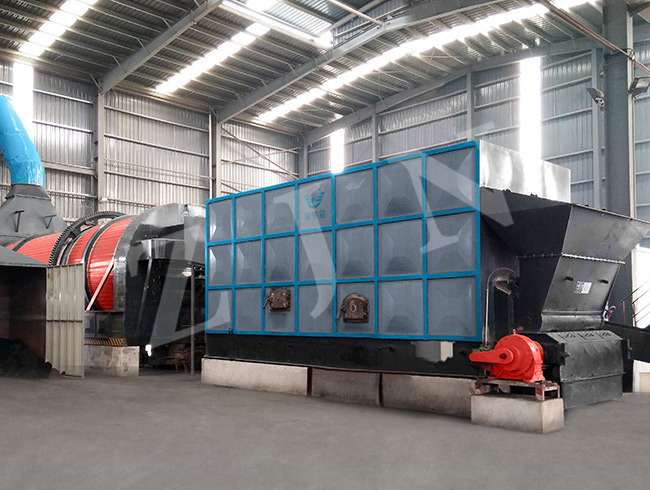
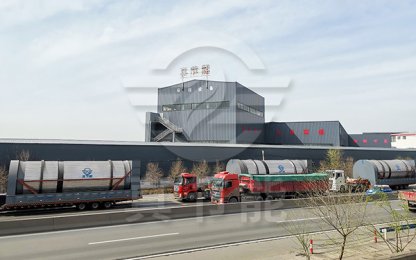
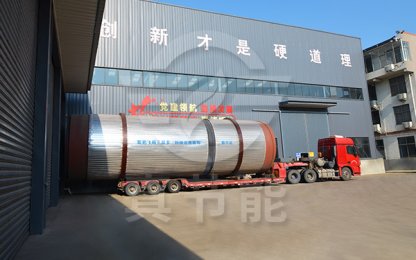
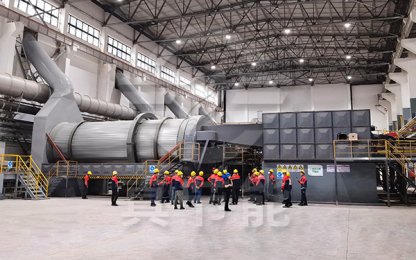
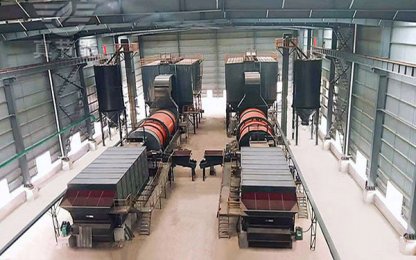
Brewers’ spent grain is a major by-product of beer production. With high natural moisture content, it is difficult to store and transport and has low reutilization value. Professional drying and dewatering treatment is essential to reduce moisture and realize resource utilization. However, frequent failures and high maintenance consumption of drying equipment will greatly increase operational pressure for enterprises. Therefore, scientific management and optimization are crucial to reduce maintenance costs and achieve stable and efficient production. This article summarizes effective solutions to lower the maintenance cost of brewers’ spent grain dryers from five key aspects: equipment selection, process optimization, intelligent management, preventive maintenance and staff training.
1. Select High-quality Equipment to Avoid Hidden Maintenance Risks
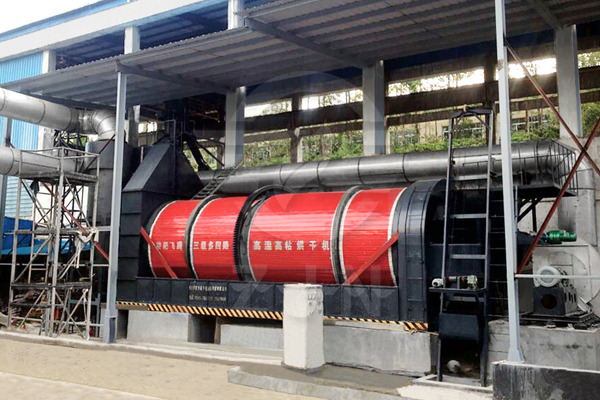
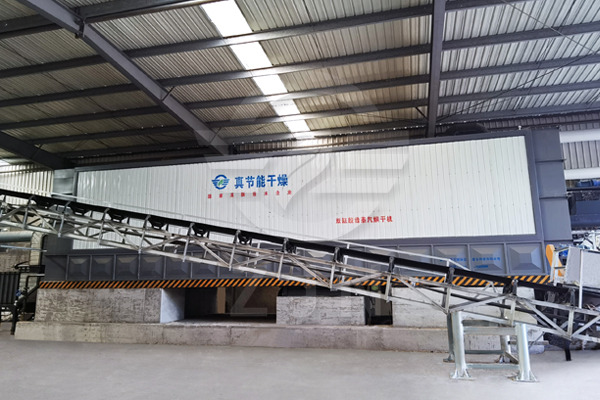
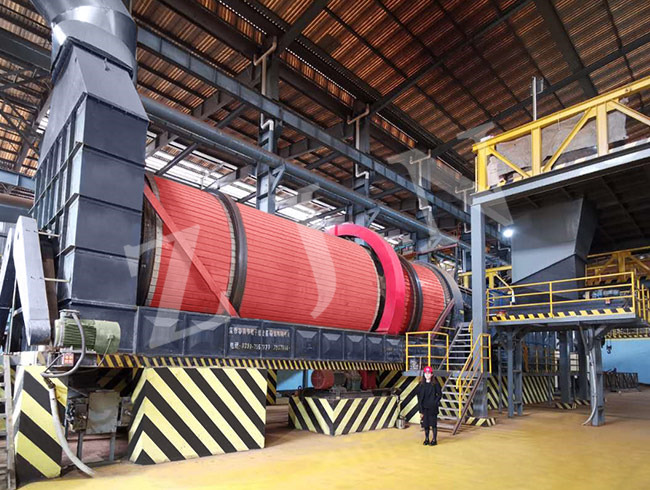
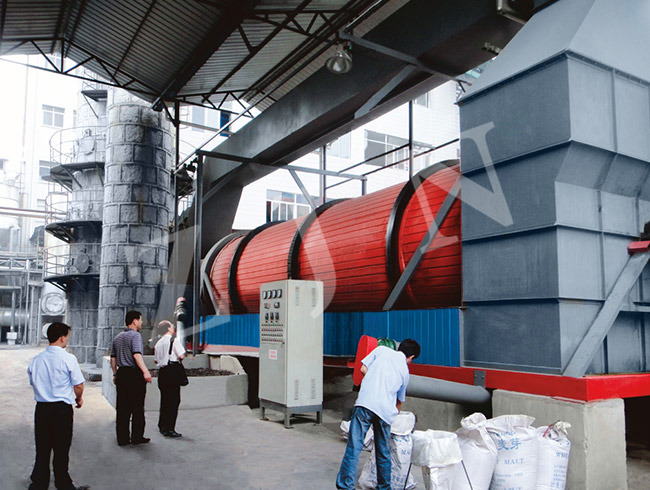
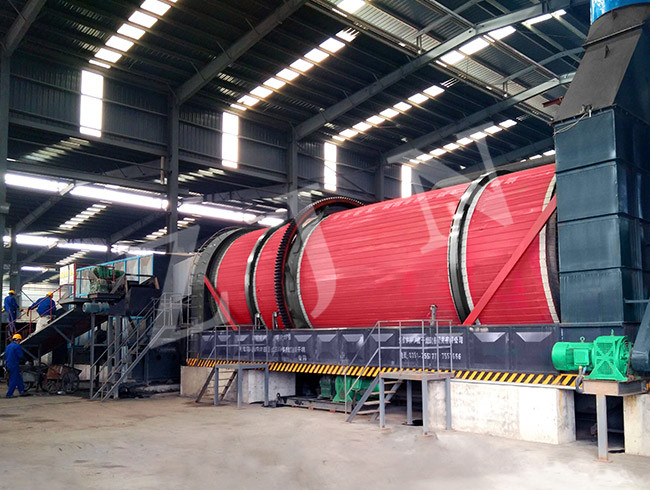
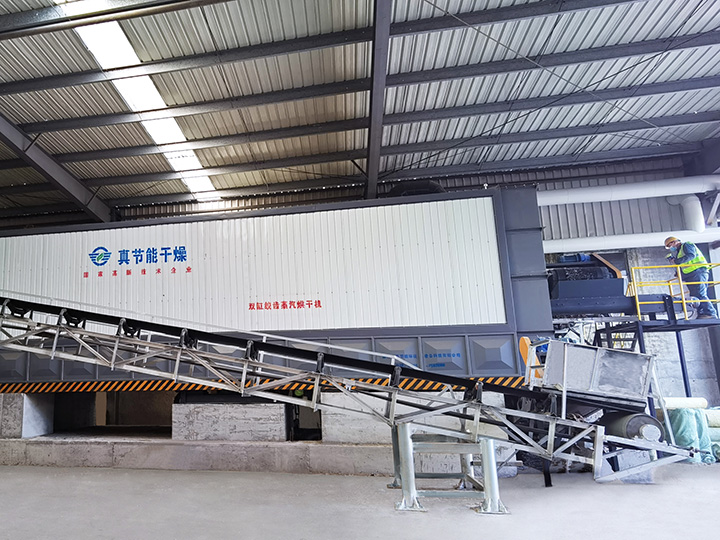
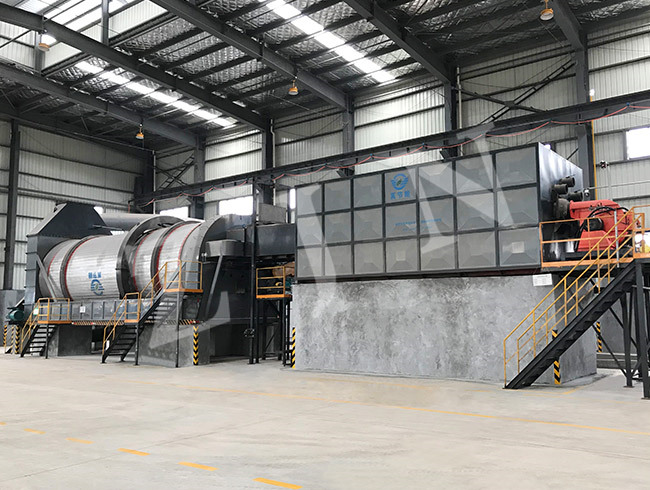
Equipment quality determines the long-term maintenance cost. Choosing durable and well-matched brewers’ spent grain drying equipment is the primary step to reduce later maintenance investment. Various dryers such as drum dryers and belt dryers differ greatly in materials, manufacturing technology and structural design.
High-quality dryers adopt high-temperature resistant, corrosion-resistant and wear-resistant materials, which are specially adapted to the characteristics of brewers’ spent grain, including high humidity, easy adhesion and weak corrosiveness. They effectively resist material abrasion, corrosion and high-temperature aging, ensuring stable performance and longer service life. Meanwhile, reliable original manufacturer equipment features strict quality control and comprehensive after-sales service, minimizing failure rates, downtime losses and repeated replacement of wearing parts, greatly reducing long-term maintenance costs.
2. Optimize Drying Process to Reduce Equipment Operating Load
Unreasonable drying processes lead to long-term overloaded operation, accelerated component wear and frequent failures, resulting in excessive maintenance costs. Process optimization can effectively reduce equipment loss and energy consumption.
Enterprises can improve material pretreatment and control uniform feeding to avoid blockage and local overheating caused by uneven materials, improving drying efficiency and reducing operating load. Scientific adjustment of drying temperature, air volume, wind speed and operating speed ensures the equipment runs under optimal working conditions and avoids over-temperature and overload operation. Regular parameter calibration and process optimization effectively reduce wear loss and failure probability, realizing low-consumption and stable operation.
3. Adopt Automatic Control System for Intelligent Operation Management
Traditional manual operation has inaccurate parameter control and delayed fault detection, easily causing equipment abnormalities and increased maintenance costs. Equipped with an intelligent automatic control system, the dryer realizes full-process intelligent monitoring and management.
The system monitors real-time data such as equipment temperature, rotating speed, air pressure, feeding volume and discharging moisture, and dynamically adjusts process parameters to maintain stable operation. It supports early warning of potential abnormalities including abnormal noise, material blockage and overheating, helping operators eliminate hidden dangers in advance. It prevents minor faults from evolving into major equipment damage, greatly reducing sudden maintenance expenses and production downtime losses.
4. Implement Preventive Maintenance to Avoid Sudden Failures
Reactive maintenance and emergency overhaul usually bring high repair costs and serious production losses. Building a standardized preventive maintenance system is the core of cost control.
Enterprises can formulate targeted maintenance plans according to equipment service life and working conditions. Regular inspection, cleaning and debugging are carried out on drying drums, fans, heating systems, transmission structures and sealing components. Timely removal of residual materials and dust avoids pipeline blockage and corrosion. Regular replacement of aging wearing parts such as bearings and sealing rings prevents equipment stalling and leakage caused by component failure. Preventive maintenance effectively prolongs equipment service life and avoids high-cost emergency repairs.
5. Strengthen Operator Training to Reduce Human-caused Failures
Improper operation and insufficient professional skills are important causes of increased equipment wear and maintenance costs. Systematic staff training is essential to standardize operation and reduce human errors.
The training covers standardized operating procedures, parameter adjustment skills, daily maintenance methods and common fault troubleshooting. Skilled operators can avoid overload operation and irregular parameter setting, reducing man-made equipment damage. Meanwhile, improved inspection and emergency handling capabilities ensure timely disposal of minor abnormalities, reducing failure frequency and downtime, and saving overall operational and maintenance costs.
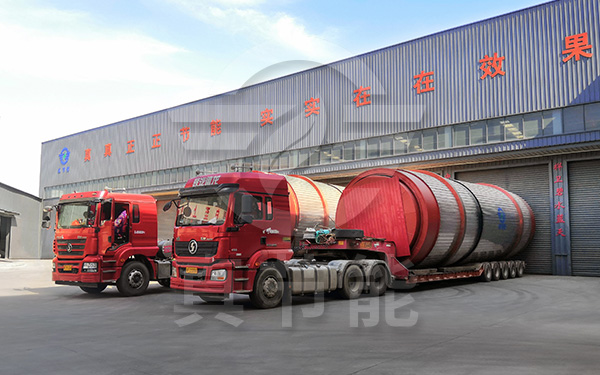
The maintenance cost control of brewers’ spent grain drying equipment is a systematic project. Enterprises need to comprehensively implement five core strategies: high-quality equipment selection, drying process optimization, intelligent automatic control, standardized preventive maintenance and professional staff training. These measures effectively eliminate potential faults, reduce component wear and invalid maintenance investment. While ensuring long-term stable and high-efficiency operation of the production line, they greatly reduce comprehensive operating costs, improve economic benefits and realize low-cost and standardized sustainable production.